Get your free personalized podcast brief
We scan new podcasts and send you the top 5 insights daily.
SV Angel's model is to remain hands-off until founders face a critical "inflection point." When COVID hit, Airbnb's board told Brian Chesky they couldn't raise money. Conway stepped in, provided conviction that the game was not over, and helped them secure a round in ten days, saving the company.

Related Insights
Ron Conway demonstrates that the ultimate value of an investor's network isn't just business intros, but the ability to solve a founder's most pressing personal problems. He cites an example of connecting a founder to the head of neurology at UCSF when their mother was diagnosed with cancer, providing immense personal support.
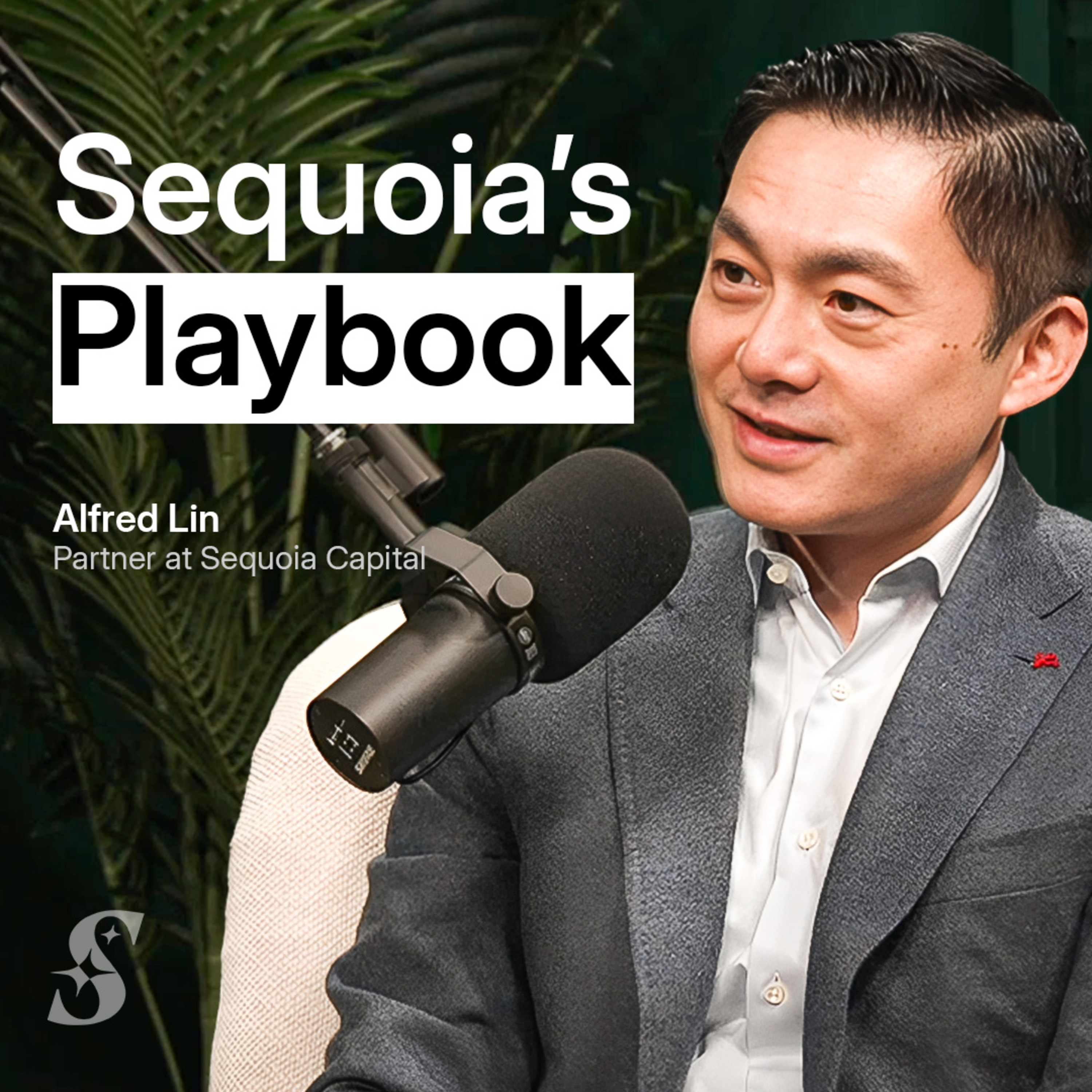
Alfred Lin's framework for board members is to be supportive 'shock absorbers' during hardships, helping founders pick up the pieces. When the company is succeeding, they become 'sparring partners' to challenge founders, prevent complacency, and push the business to the next level.
On the exact morning Travis planned to announce the company's closure to his employees, a stranger walked in expressing interest in investing. This last-second intervention highlights the unpredictable nature of startups, where salvation can arrive unexpectedly at the absolute moment of failure.

After building a company to nearly 1,000 people, Ron Conway realized he disliked managing at scale, feeling like an "HR director." On the advice of Sequoia's Don Valentine, he transitioned to angel investing. This allowed him to leverage his operational experience to advise founders without the burden of day-to-day people management.
The most fulfilling and effective angel investments involve more than capital. Founders benefit most from investors who act as operators, offering hands-on help and staying involved in the business. This approach is more rewarding and can lead to better outcomes than passive check-writing.

Ron Conway of SV Angel argues that top-tier angel investing isn't passive. It's an active, holistic approach to helping the "whole founder" with their career, team-building, and even personal crises. The mantra is "you're all in or don't bother," treating founders as people to advocate for, not just investments.
Ron Conway's influence extends beyond his portfolio because he's committed to the entire tech ecosystem. He shares a story of giving advice to Zoom founder Eric Yuan in a parking lot long before Zoom was successful. This willingness to help any founder, regardless of immediate ROI, builds immense long-term goodwill and deal flow.
Advocating for founders sometimes requires direct confrontation. During the SVB crisis, Ron Conway didn't just advise; he directly pressured the heads of congressional banking committees, telling them they would be responsible for a worldwide crisis if they didn't act. This "fearless" approach is crucial in high-stakes situations.
The journey of any successful startup is not a straight line; it inevitably includes multiple moments where the company faces existential threats. Understanding and normalizing this reality from the beginning helps founders and investors frame their relationship as a long-term partnership built to withstand extreme volatility.
During a tough fundraising process, founders should remove emotion and ask themselves a critical question: 'Would I invest my entire personal fortune into this right now?' Answering 'yes' with rational conviction is the key to weathering rejections and ultimately persuading an anchor investor to make the first bet.