Get your free personalized podcast brief
We scan new podcasts and send you the top 5 insights daily.
To raise their first $50,000 with no marketing budget, a co-founder sat on a toilet for a 51-hour livestream. This outlandish stunt was disruptive enough to get picked up by major media outlets, providing the initial awareness and capital they needed to launch the business.

Related Insights
A repeatable framework for creating viral stunts is to take a familiar concept—like a toy store, meditation app, or musical—and create the "world's first" version specifically for your target audience. The inherent absurdity of a "meditation app for CISOs" or a "dating app for accountants" generates curiosity and makes the campaign highly shareable.

Eric Zhu's virality stems from a formula: intentionally create or lean into outrageous situations (e.g., running a business from a high school bathroom), document the chaos as content, A/B test various angles, and then push it out for mass distribution, creating a "viral machine."

During a 16-week accelerator program, founder Kyle Hanslovan slept in his car to preserve every dollar of the $50,000 investment for the business. This extreme bootstrapping, which included showering at a gym, highlights the intense personal sacrifices founders often make to keep their company alive in the earliest days.

Robinhood amassed nearly a million users before launch without a marketing team. Their key tactic was a gamified waitlist where users could see their position in line and jump ahead by referring friends, creating a powerful and cost-free viral acquisition loop.

Eric Zhu's viral story of taking VC calls from a high school bathroom wasn't a PR stunt; it was a genuine hardship. He later packaged this authentic struggle into compelling content, demonstrating that powerful marketing stories often come from real, unglamorous challenges.
Instead of relying on a traditional slide deck, Michael Dubin pitched skeptical investors by showing them his unreleased launch video. The video's humor and clear brand story instantly demonstrated the business's potential and convinced them to invest, proving a creative asset can be more persuasive than spreadsheets.

Before raising significant capital or manufacturing its product, Liquid Death's founder created a fake brand on Facebook. A $1,500 commercial generated millions of views and tens of thousands of followers, proving market demand and de-risking the venture for early investors.

To de-risk their unconventional idea, Liquid Death created a fake ad and a Facebook page to test market reception. They secured millions of views and 80,000 followers, proving demand and generating traction that was crucial for raising capital, turning a concept into an investable business.
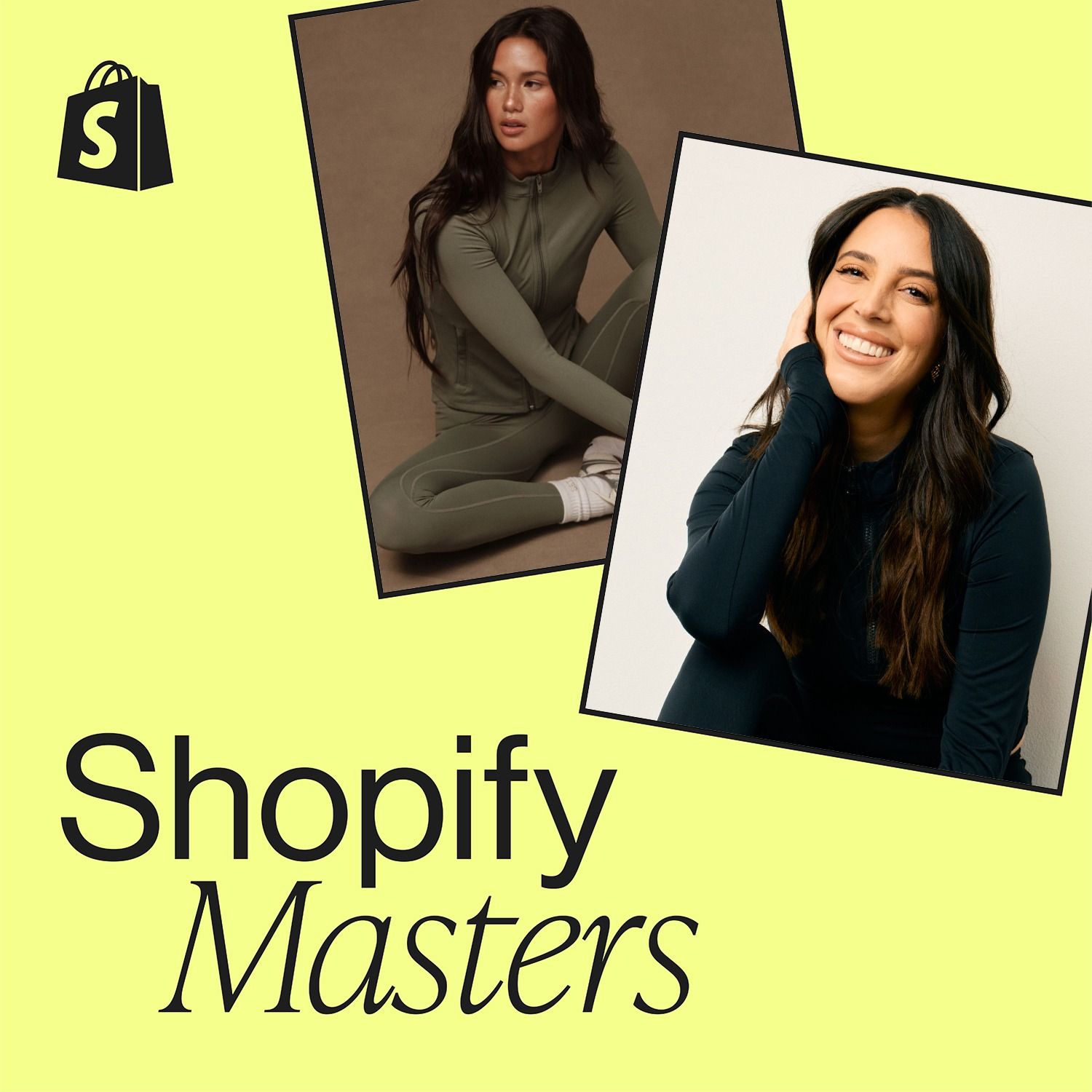
For founders without a large marketing budget, building in public isn't optional. Lindsay Carter attributes Set Active's initial hype to sharing behind-the-scenes content on her personal social media. She argues that consumers want to root for the underdog, and showing the story—failures and all—is the most effective way to build a loyal following from scratch.
The founder of 'Rent a Human' deliberately chose a controversial name to spark conversation and virality. He learned from the mind-blowing effect that quirky Japanese rental services had on Western audiences, creating an inherently shareable idea.