Get your free personalized podcast brief
We scan new podcasts and send you the top 5 insights daily.
Aggressive treatments like radiation and chemotherapy induce immense metabolic stress, causing blood sugar to spike. This pushes the patient's body into a metabolic "red zone," which can create an environment that strengthens and feeds any remaining resistant tumor cells.

Related Insights
Healthy cells can efficiently use ketones for energy. Cancer cells, with their broken mitochondria, cannot. This creates a powerful therapeutic opportunity: a ketogenic state can nourish the body's healthy cells while simultaneously starving tumor cells of their required fuel.
Experiments show that transferring a cancer cell's dysfunctional mitochondria—but not its nucleus—into a healthy cell is what induces cancer. This disruptive finding supports the view of cancer as a metabolic disease that can be targeted by starving its mitochondria of fuels like glucose.

Many cancer cells rely heavily on glucose (the Warburg effect) and cannot efficiently use ketones. A strict ketogenic diet may starve these tumors while nourishing healthy cells. In one case, it led to a 70% reduction in cancer markers in six weeks, far exceeding chemotherapy's expected 30%.

Sugar contributes to chronic hyperinsulinemia, a state that can inhibit apoptosis—the body's crucial process for destroying damaged or cancerous cells. Furthermore, fats derived from fructose processing can be directly consumed by certain tumors to build their cell membranes.

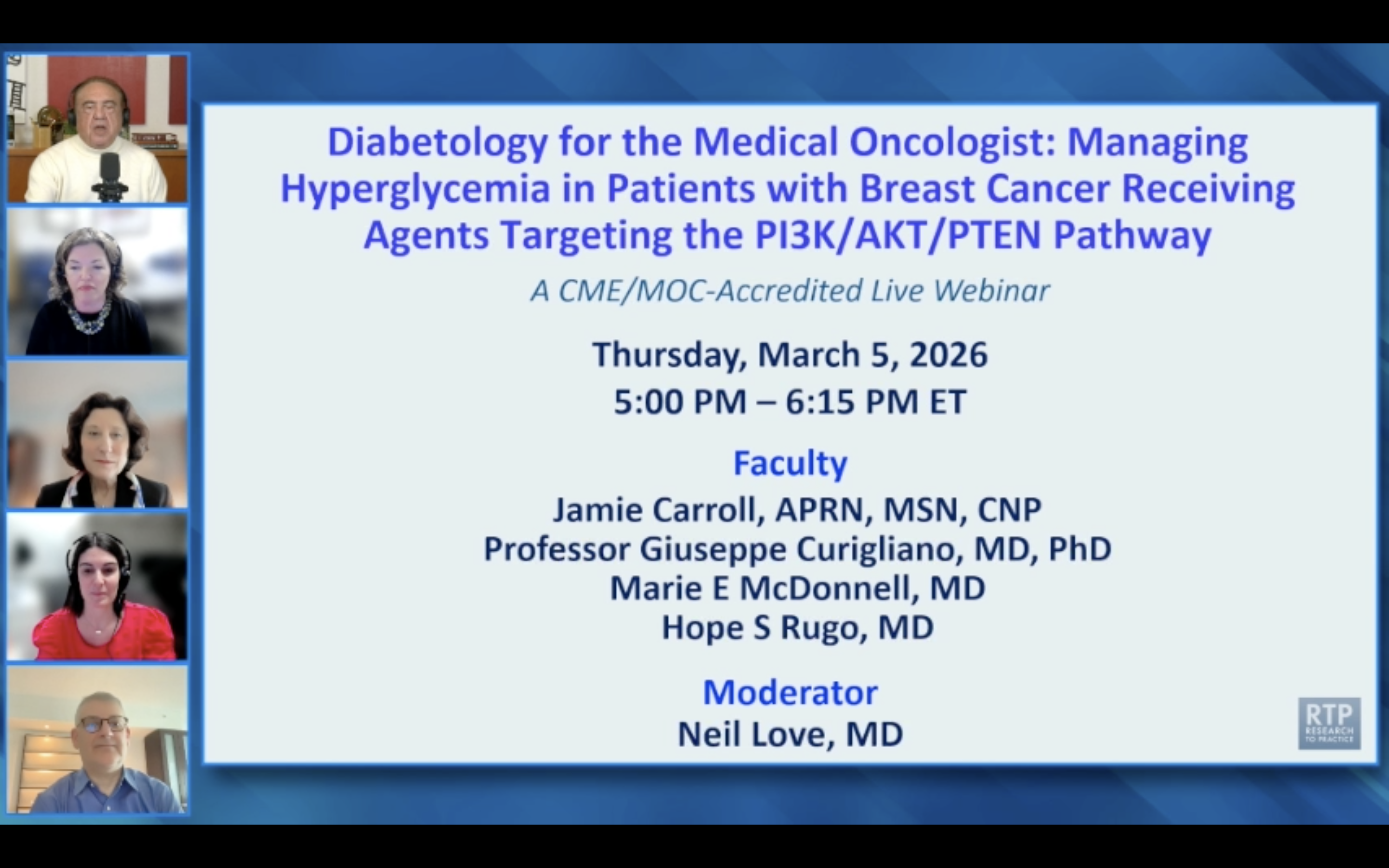
Clinicians are hesitant to use insulin for PI3K inhibitor-induced hyperglycemia. The primary concern is that exogenous insulin, a potent growth factor, could theoretically counteract the therapy's anti-tumor effect by promoting cancer cell survival, although this risk remains unproven.
Chemotherapy is known to worsen metabolic parameters, but this should be viewed as an opportunity, not just a side effect. By actively correcting this metabolic dysfunction with adjunctive therapies, clinicians may be able to enhance the overall life-saving benefit of the chemotherapy itself.

Patients often worry that anti-estrogen therapies directly cause weight gain. However, the mechanism is more nuanced: the drugs induce a postmenopausal state characterized by inflammation and metabolic dysfunction, which, combined with natural aging, makes weight gain more likely and weight loss more difficult.
In a randomized controlled trial for stage 4 metastatic pancreatic cancer, adding Virta Health's nutritional therapy to a three-drug chemo regimen resulted in a ~35% life extension. This suggests improving metabolic health can significantly impact outcomes even in aggressive cancers.

In a ketogenic state, healthy cells enter a protective "bunker mode," slowing division. Cancer cells lack this evolutionary off-switch and remain exposed. This synergy makes tumors more vulnerable to chemotherapy, allowing for lower, less toxic doses with greater effect.
Steroid-induced hyperglycemia is a primary driver of cancer-related high blood sugar. Patients with prediabetes (A1C 5.7-6.4%) are often overlooked but frequently develop hyperglycemia on high-dose dexamethasone, making proactive warnings and dietary guidance crucial for this group.