Get your free personalized podcast brief
We scan new podcasts and send you the top 5 insights daily.
Chemotherapy is known to worsen metabolic parameters, but this should be viewed as an opportunity, not just a side effect. By actively correcting this metabolic dysfunction with adjunctive therapies, clinicians may be able to enhance the overall life-saving benefit of the chemotherapy itself.

Related Insights
Experiments show that transferring a cancer cell's dysfunctional mitochondria—but not its nucleus—into a healthy cell is what induces cancer. This disruptive finding supports the view of cancer as a metabolic disease that can be targeted by starving its mitochondria of fuels like glucose.

Many cancer cells rely heavily on glucose (the Warburg effect) and cannot efficiently use ketones. A strict ketogenic diet may starve these tumors while nourishing healthy cells. In one case, it led to a 70% reduction in cancer markers in six weeks, far exceeding chemotherapy's expected 30%.

Beyond immediate kidney rescue, glucarpidase's crucial role is preserving a patient's eligibility for subsequent methotrexate cycles. This allows them to complete their planned, first-line cancer treatment, giving them the best chance at remission—a benefit not captured by short-term outcomes.

An expert argues the path to curing metastatic cancer may mirror pediatric ALL's history: combining all highly active drugs upfront. Instead of sequencing treatments after failure, the focus should be on powerful initial regimens that eradicate cancer, even if it means higher initial toxicity.

Unlike neutropenia, which has established management with G-CSF, CIT is often undertreated. This leads to chemotherapy dose reductions that can worsen patient outcomes. Newer TPO receptor agonists are effective, but the problem itself remains an underappreciated gap in oncology practice.

Generic advice like "diet and exercise" is ineffective for cancer patients. Clinicians should adopt a pharmaceutical model, prescribing specific types and "doses" of diet and exercise based on a patient's unique metabolic profile, treatment, and clinical goals, rather than handing out a generic brochure.
Cancer should be viewed not just as rogue cells, but as a complex system with its own supply chains and communication infrastructure. This perspective shift justifies novel therapies like Zelenorstat, which aim to dismantle this entire operating system by cutting its power source.

Patients often worry that anti-estrogen therapies directly cause weight gain. However, the mechanism is more nuanced: the drugs induce a postmenopausal state characterized by inflammation and metabolic dysfunction, which, combined with natural aging, makes weight gain more likely and weight loss more difficult.
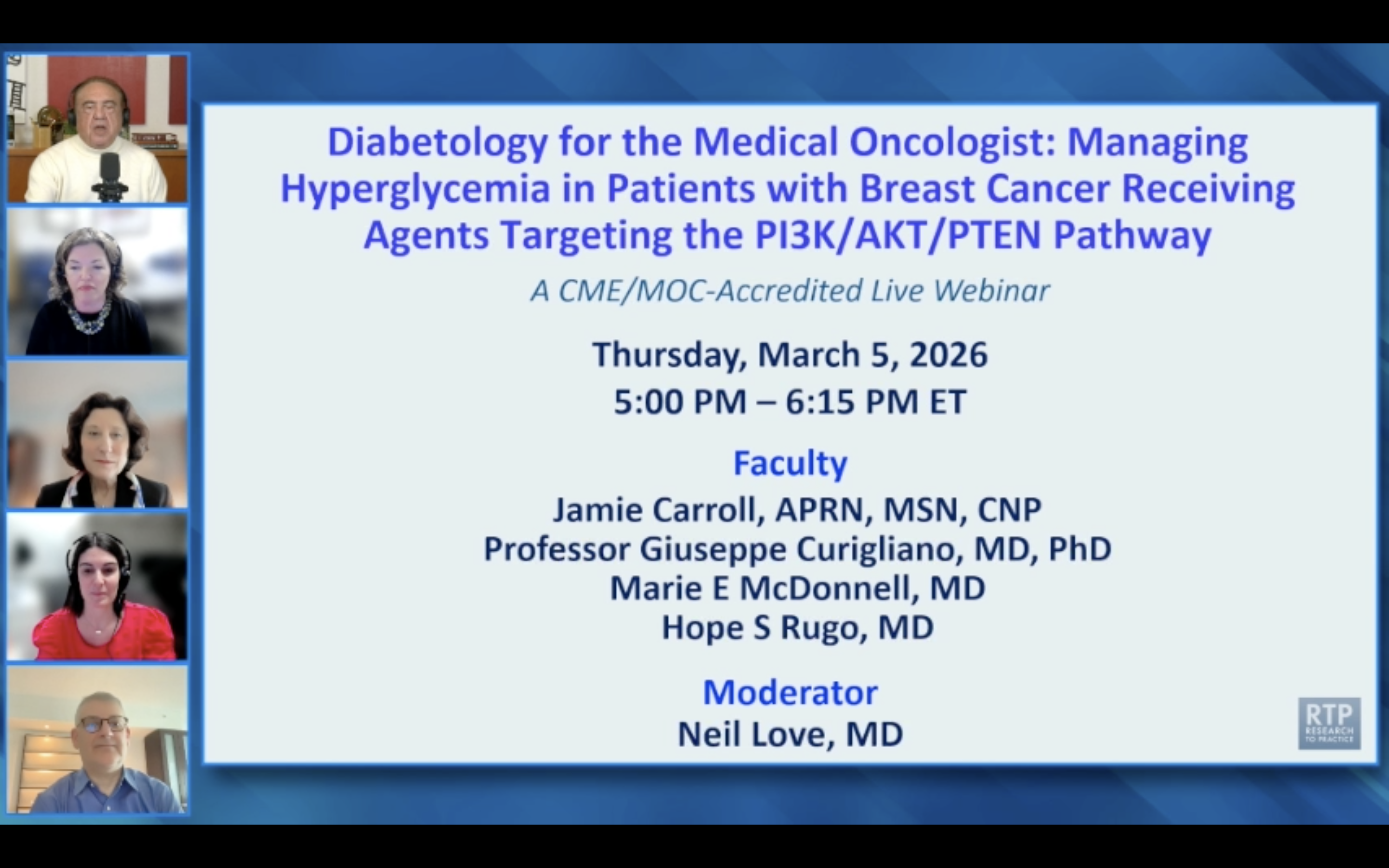
Oncologists typically initiate metformin for drug-induced hyperglycemia but are hesitant to manage more complex regimens. They prefer collaborating with endocrinologists who can navigate different drugs, dosages, and interactions, especially for complex oncology patients where frequent follow-up is needed.
Therapies that rewire cancer cells to mature can cause "differentiation syndrome," a flood of immune cells. While a dangerous side effect, it's considered an on-target toxicity, confirming the drug is successfully restoring the cell's lost function and providing a real-time signal of its effectiveness.
