Get your free personalized podcast brief
We scan new podcasts and send you the top 5 insights daily.
Sugar contributes to chronic hyperinsulinemia, a state that can inhibit apoptosis—the body's crucial process for destroying damaged or cancerous cells. Furthermore, fats derived from fructose processing can be directly consumed by certain tumors to build their cell membranes.

Related Insights
Experiments show that transferring a cancer cell's dysfunctional mitochondria—but not its nucleus—into a healthy cell is what induces cancer. This disruptive finding supports the view of cancer as a metabolic disease that can be targeted by starving its mitochondria of fuels like glucose.

Many cancer cells rely heavily on glucose (the Warburg effect) and cannot efficiently use ketones. A strict ketogenic diet may starve these tumors while nourishing healthy cells. In one case, it led to a 70% reduction in cancer markers in six weeks, far exceeding chemotherapy's expected 30%.

High blood sugar has a direct mechanical effect beyond empty calories. The excess glucose acts like glue, sticking to the enzyme responsible for making nitric oxide in a process called glycation. This locks the enzyme in a fixed conformation, rendering it physically unable to function and produce the vital molecule.
Many clinicians mistakenly believe insulin's main role is blood glucose control. In reality, it's a master hormone signaling every cell—from brain to bone—to store energy. This function is so powerful it can slow the body's overall metabolic rate to prioritize energy storage.
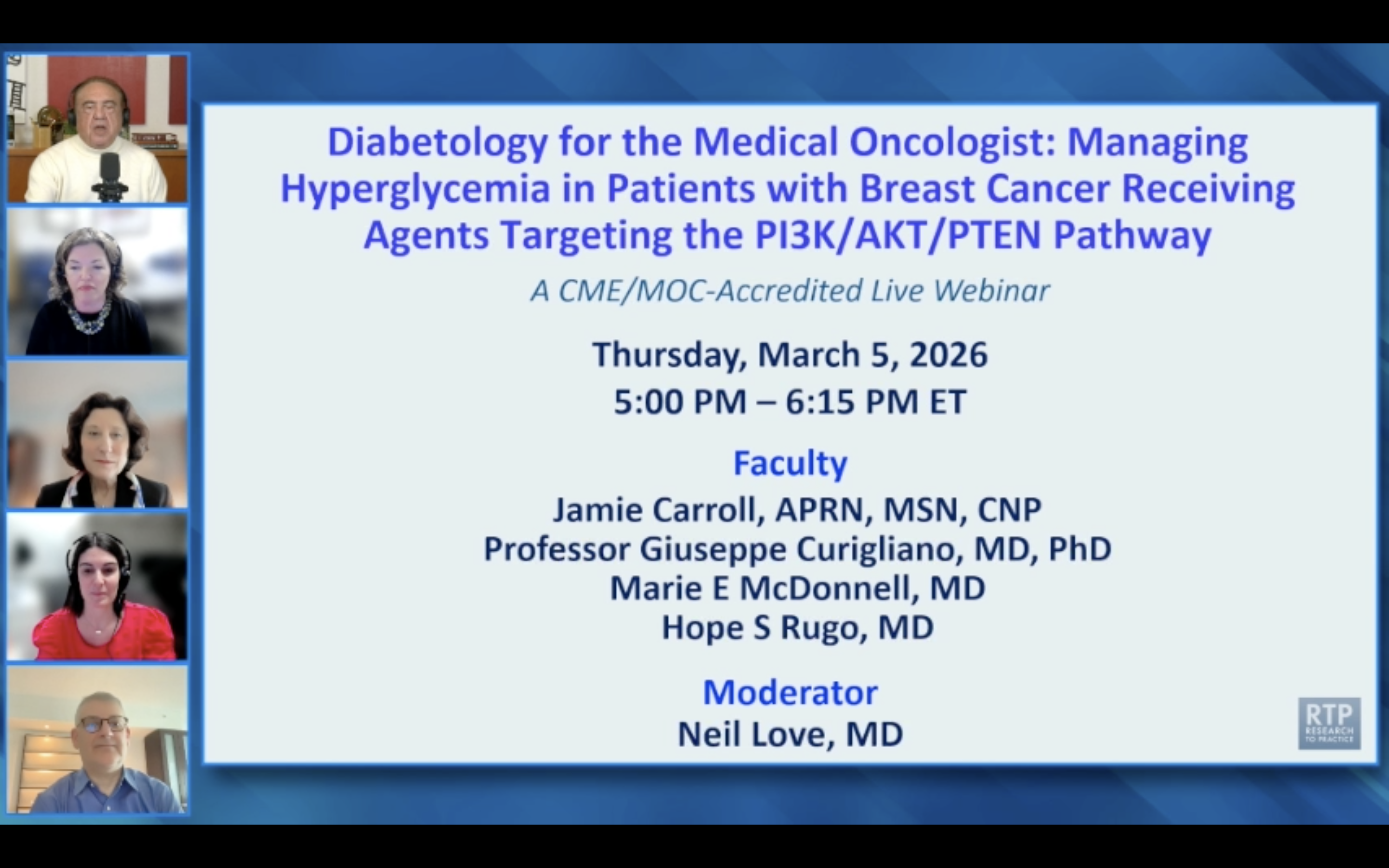
Clinicians are hesitant to use insulin for PI3K inhibitor-induced hyperglycemia. The primary concern is that exogenous insulin, a potent growth factor, could theoretically counteract the therapy's anti-tumor effect by promoting cancer cell survival, although this risk remains unproven.
Many chronic illnesses, including high blood pressure, cancer, and cognitive decline, are not separate issues but symptoms of a single underlying problem: chronically elevated insulin levels. This metabolic “trash” accumulates over years, making the body a breeding ground for disease.
The body compensates for high sugar intake by producing excess insulin. This chronic high insulin (hyperinsulinemia) causes metabolic damage like fatty liver and visceral fat accumulation long before blood sugar becomes uncontrollable and diabetes is diagnosed.

The vascular damage from sugar is direct and chemical. Excess glucose acts like glue, binding to and disabling the very enzymes that produce nitric oxide. This shuts down the body's ability to dilate blood vessels, leading to a cascade of health issues like hypertension and peripheral neuropathy.

A genetic mutation that enabled humans to efficiently convert fructose into fat was critical for surviving winters. In today's high-sugar environment, this same evolutionary survival mechanism works against us, making liquid fructose a primary driver of modern metabolic dysfunction.

Eating high-carb foods frequently, even in a calorie deficit, keeps insulin high. This prevents your body from accessing stored fat for energy, forcing it to lower its metabolic rate. After the diet, this suppressed metabolism causes rapid weight regain.
