Get your free personalized podcast brief
We scan new podcasts and send you the top 5 insights daily.
Experienced founders who can attract capital should raise oversized rounds (e.g., $27M seed) even if not immediately needed. This strategy, famously used by Uber's Travis Kalanick, provides a "weapon" to play the long game, outlast competitors, and navigate unexpected platform shifts.

Related Insights
Even while profitable, Linear raised later-stage rounds primarily for market signaling. Larger customers were hesitant to trust a "Series A company." The subsequent funding rounds and higher valuation signaled stability and longevity, unlocking larger enterprise deals and building market trust.

For Base, a $1B fundraise serves a dual purpose: funding capital-intensive growth and acting as a powerful recruiting tool. The massive round signals to top-tier engineers and operators that the company is playing on a global stage, making it a more compelling career destination than less capitalized competitors.

Waabi's CEO explains their massive fundraise provides stability to withstand ecosystem delays and make long-term bets without quarterly pressure from investors. This 'war chest' allows them to pursue multiple verticals (trucking and robotaxis) simultaneously and signals market leadership, setting them apart from competitors who may be operating on tighter timelines.

Some highly successful lean companies raise significant capital not for operational expenses, but to build a 'fortress balance sheet.' This provides strategic leverage and defensibility while they maintain the scrappy, customer-focused ethos that made them successful.

A powerful fundraising tactic is to continually increase your total round size as you hit initial targets. This allows you to always be '50% closed' or more, constantly signaling momentum and de-risking the opportunity for new investors you speak with.

For startups experiencing hyper-growth, the optimal strategy is to raise capital aggressively and frequently—even multiple times a year—regardless of current cash reserves. This builds a war chest, solidifies a high valuation based on momentum, and effectively starves less explosive competitors of investor attention and capital.

Travis Kalanick reveals Uber treated fundraising as a systematized operation, not a discrete event. They ran four rooms in parallel for different check sizes and used a dynamic book-building process to optimize pricing. This turned capital acquisition into a scalable machine, making it a strategic weapon in their "capital wars."

In hyper-competitive, winner-take-all markets like ride-sharing or AI, Kalanick argues that the ability to attract capital is itself a core competency and strategic weapon. Being the best at fundraising is as critical as having the best product, as capital enables scale and endurance against rivals.
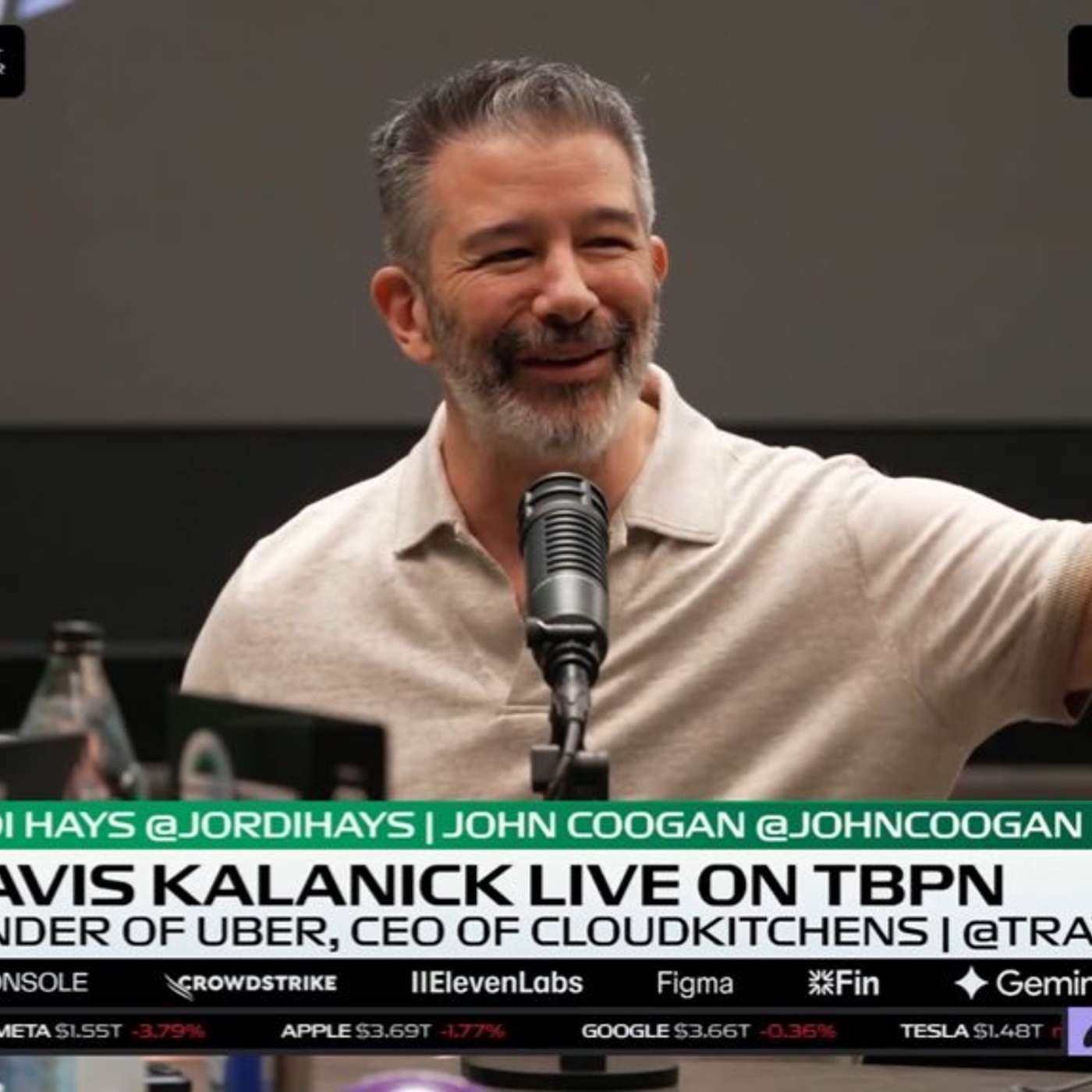
In capital-intensive markets like AI, capital is a competitive weapon. If fundraising feels easy, it's a signal you weren't aggressive enough. Kalanick's philosophy suggests you should have pushed for a much larger round to create a significant moat against competitors, treating capital as a strategic advantage.
In competitive, capital-intensive markets like AI, if fundraising feels easy, it is a signal that you did not push hard enough to secure a larger, more decisive war chest than your rivals.