Get your free personalized podcast brief
We scan new podcasts and send you the top 5 insights daily.
Waabi's CEO explains their massive fundraise provides stability to withstand ecosystem delays and make long-term bets without quarterly pressure from investors. This 'war chest' allows them to pursue multiple verticals (trucking and robotaxis) simultaneously and signals market leadership, setting them apart from competitors who may be operating on tighter timelines.

Related Insights
Even while profitable, Linear raised later-stage rounds primarily for market signaling. Larger customers were hesitant to trust a "Series A company." The subsequent funding rounds and higher valuation signaled stability and longevity, unlocking larger enterprise deals and building market trust.

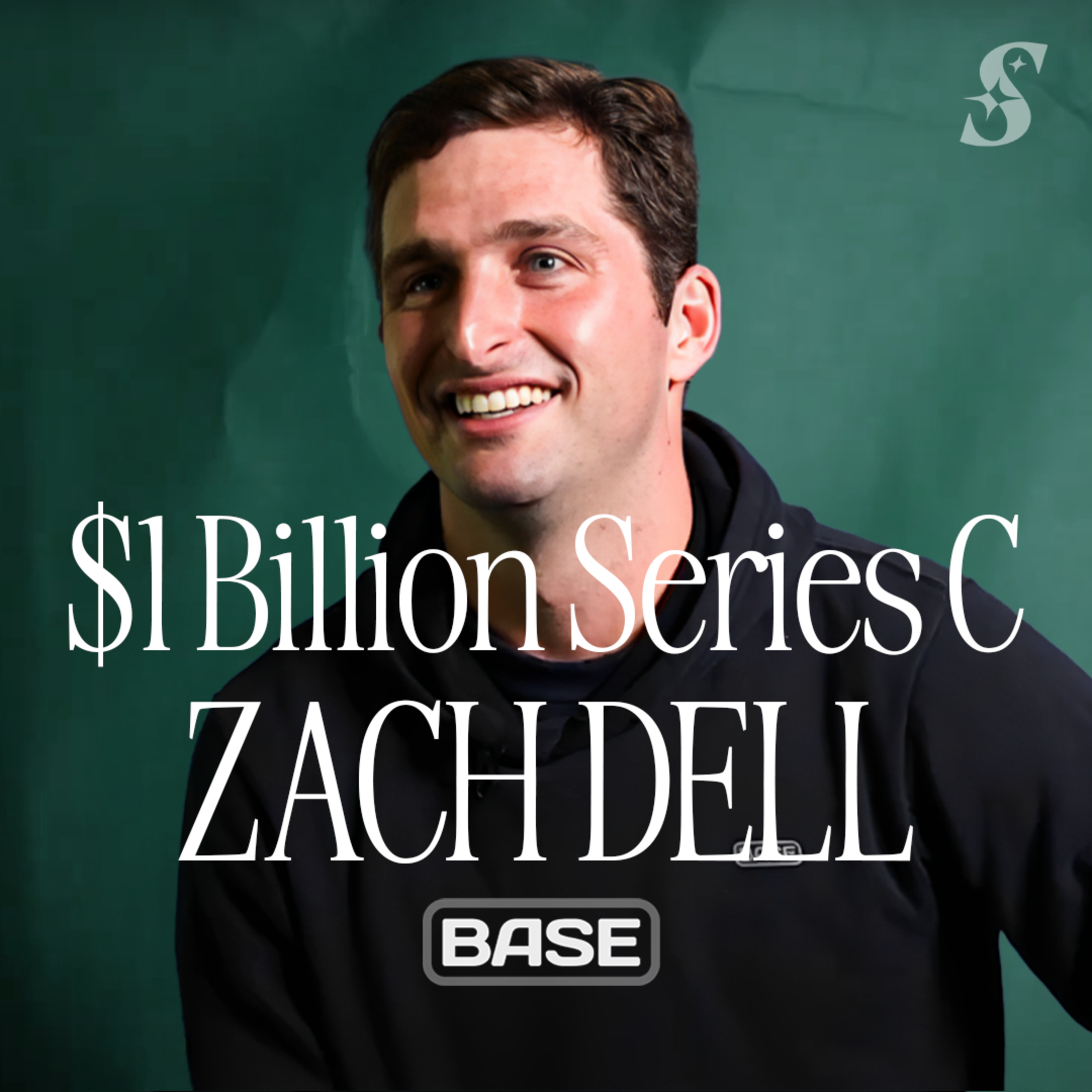
For Base, a $1B fundraise serves a dual purpose: funding capital-intensive growth and acting as a powerful recruiting tool. The massive round signals to top-tier engineers and operators that the company is playing on a global stage, making it a more compelling career destination than less capitalized competitors.
The seemingly rushed and massive $100 billion funding goal is confusing the market. However, it aligns with Sam Altman's long-stated vision of creating the "most capital-intensive business of all time." The fundraise is less about immediate need and more about acquiring a war chest for long-term, infrastructure-heavy projects.

Waymo's potential funding round at a valuation over $100 billion, despite estimated revenues of only $300-$350 million, signifies a market focused on long-term potential. Investors are betting on future market leadership and unit economics in the autonomous vehicle space, not current financial performance.
Founders with personal wealth and companies with massive cash-cow businesses, like Google's search ads, can afford to pursue high-risk, long-term projects like Waymo. This financial security allows them to endure long periods of unprofitability in pursuit of breakthrough innovations.

For startups experiencing hyper-growth, the optimal strategy is to raise capital aggressively and frequently—even multiple times a year—regardless of current cash reserves. This builds a war chest, solidifies a high valuation based on momentum, and effectively starves less explosive competitors of investor attention and capital.
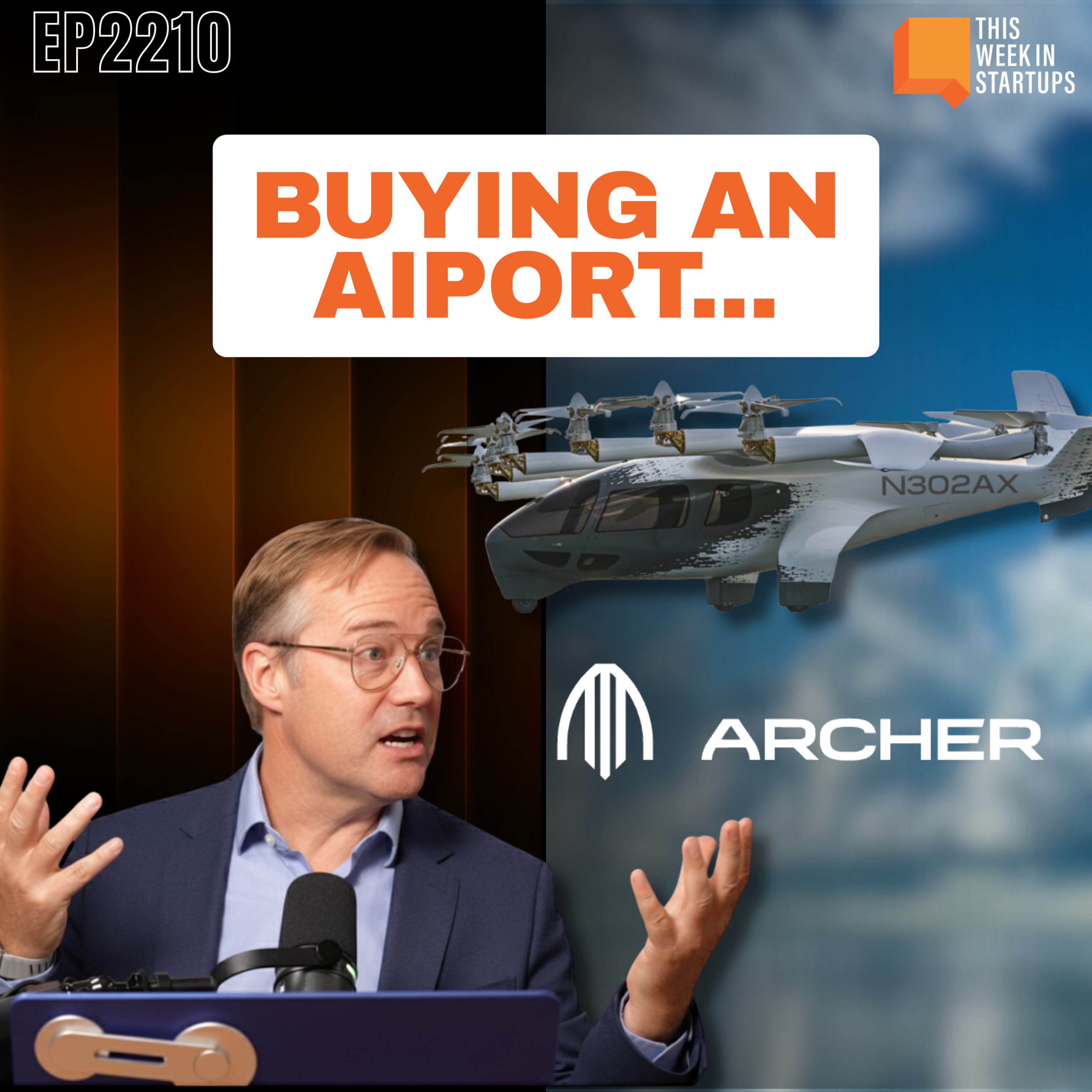
In hyper-competitive, winner-take-all markets like ride-sharing or AI, Kalanick argues that the ability to attract capital is itself a core competency and strategic weapon. Being the best at fundraising is as critical as having the best product, as capital enables scale and endurance against rivals.
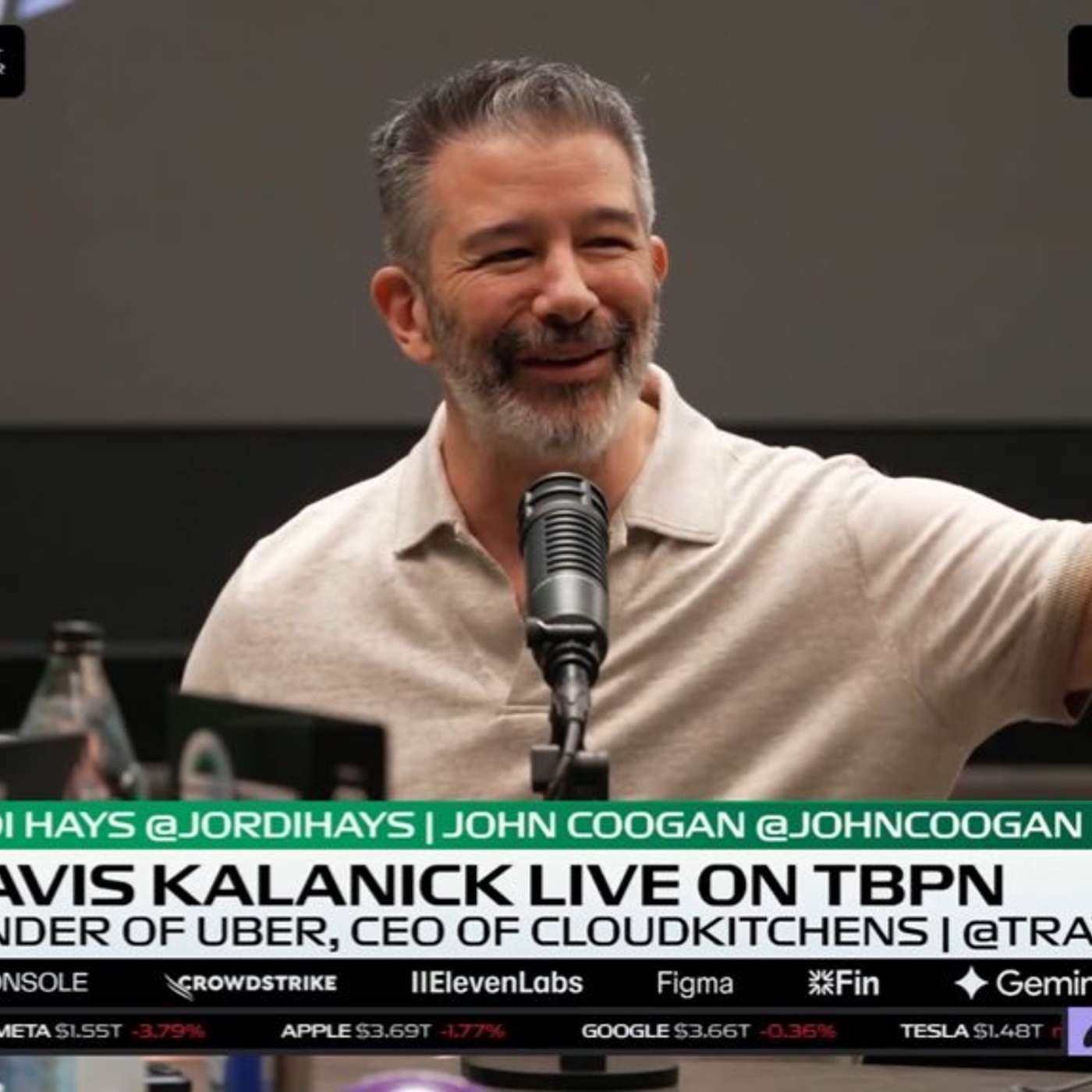
In capital-intensive markets like AI, capital is a competitive weapon. If fundraising feels easy, it's a signal you weren't aggressive enough. Kalanick's philosophy suggests you should have pushed for a much larger round to create a significant moat against competitors, treating capital as a strategic advantage.

While OpenAI is actively preparing for a potential IPO as soon as Q4, its massive $100B+ funding round provides a significant cash runway. This gives the company the flexibility to delay its public offering until 2027 if market conditions aren't optimal, allowing it to time its debut for maximum impact.
For startups taking on industrial giants, large capital raises are a competitive weapon, not just for growth. Accessing low-cost capital is a strategic advantage that directly lowers product costs, making massive fundraising a prerequisite to even sit at the table.
