Get your free personalized podcast brief
We scan new podcasts and send you the top 5 insights daily.
The decline of mobile apps will happen in waves. Apps used to complete specific tasks (e.g., checking analytics, updating documents) are most vulnerable to being replaced by conversational agents. Entertainment-focused apps will survive longer, as their purpose is feeling an emotion rather than completing a task.

Related Insights
Generative AI primarily changes an app's user interface, but agentic AI can bypass UIs entirely to complete tasks. This makes transaction-fulfillment apps, which constitute a huge portion of the market, vulnerable to being replaced by agents that act directly on a user's behalf.

A single, context-aware AI assistant with access to various APIs will replace dozens of specialized apps for tasks like fitness tracking, to-do lists, or flight check-ins. Users will interact conversationally with their assistant, rendering most single-purpose apps redundant.

Context-aware personal agents will subsume the functions of many standalone apps, such as fitness or calorie trackers. An agent that already knows a user's location, schedule, and goals can perform these tasks more seamlessly, reducing many current apps to mere APIs for the agent to consume.
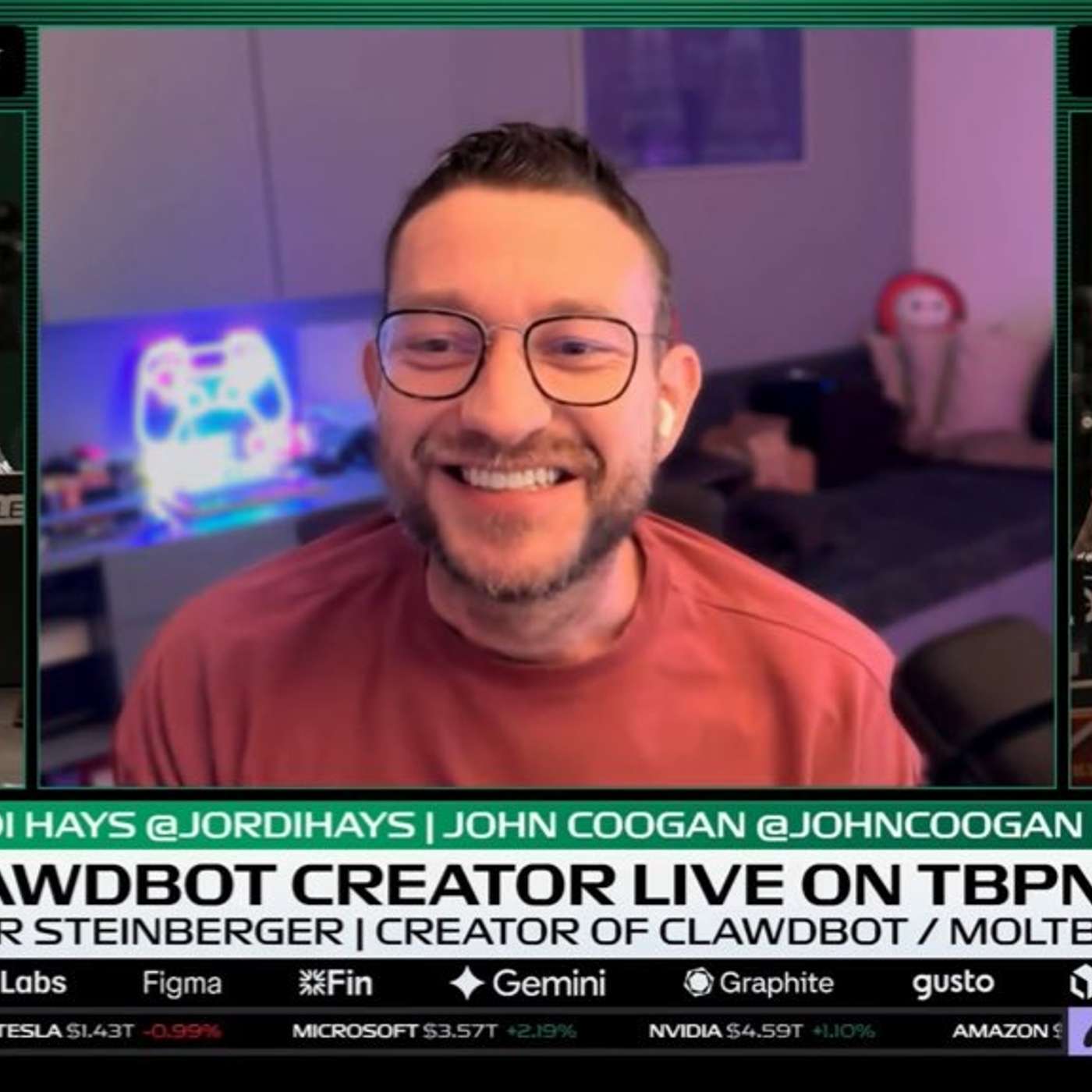
Power users are discovering that direct, conversational interaction with AI agents is more efficient than clicking through graphical user interfaces (GUIs). This signals a shift toward an 'app-less' world where tasks are accomplished via chat, potentially making traditional UI/UX design roles redundant for many applications.

When a user's goal is purely transactional (e.g., booking a flight), they have little loyalty to the app's UI. AI agents can directly fulfill these tasks, making such apps obsolete because their primary value is intermediation, not a unique, loyalty-building experience.
The end state for enterprise AI is a unified, conversational agent serving as the primary interface for a brand. This "digital concierge" will handle sales, support, and other interactions, potentially replacing websites and mobile apps as the main customer touchpoint.
![Jesse Zhang - Building Decagon - [Invest Like the Best, EP.443] thumbnail](https://megaphone.imgix.net/podcasts/2cc4da2a-a266-11f0-ac41-9f5060c6f4ef/image/7df6dc347b875d4b90ae98f397bf1cb1.jpg?ixlib=rails-4.3.1&max-w=3000&max-h=3000&fit=crop&auto=format,compress)
As personal AI agents become more capable, they could render the current smartphone OS, with its "wall of apps," irrelevant. Instead of clicking icons, users will just tell their agent what to do. This shifts the primary interface from the screen to voice/text, threatening the core value of platforms like iOS.

Users will stop interacting with countless individual apps and websites. Instead, they'll communicate with a personal AI agent that handles tasks by interfacing with services via APIs, making traditional graphical user interfaces obsolete.

The hype around individuals building their own apps with AI misses the bigger picture. According to Sierra CEO Bret Taylor, the fundamental shift is from graphical interfaces to conversational agents, which will change software form factors, business models, and user interaction entirely.

The existential threat from large language models is greatest for apps that are essentially single-feature utilities (e.g., a keyword recommender). Complex SaaS products that solve a multifaceted "job to be done," like a CRM or error monitoring tool, are far less likely to be fully replaced.
