Get your free personalized podcast brief
We scan new podcasts and send you the top 5 insights daily.
Athletes like Floyd Mayweather transition from a persona of bravado in their youth to a stoic, professional demeanor as they master their craft. They no longer need psychological games; they approach their opponents as a job to be dispatched, which is far more terrifying.

Related Insights
For some high-performers, negative emotions like anger and anxiety are not just obstacles but the primary fuel for their drive. This "gift and a curse" raises questions about whether peak performance is possible with a healthier, more balanced mindset.

What separates truly great athletes like Tom Brady isn't just talent, but their ability to perform at an elite level even when every opponent's game plan is specifically designed to stop them. True greatness is sustained production despite being the focus of opposition.

Peter Crouch draws a distinction between top-level players who enjoy their wins and the truly elite (like Gerrard or Rooney) who rarely do. The elite mindset is one of perpetual dissatisfaction, immediately focusing on the next challenge or flaw, which fuels greatness at the cost of present enjoyment.

While young athletes may use aggressive music to get hyped, veteran NBA star Kevin Love now focuses on calming his nervous system pre-game. He opts for music without words or with a calming rhythm to achieve a state of focused readiness, not emotional volatility.
True leadership strength isn't about being the loudest voice. It's the 'quiet edge'—the ability to maintain physiological composure and emotional mastery amidst chaos. This allows for thoughtful responses instead of knee-jerk reactions, leading to better decisions under pressure.

In combat sports, a degree of aggression is necessary for sharpness and motivation. However, if it escalates into rage, it narrows your focus, makes you miss crucial cues from your opponent, and leaves you vulnerable to counter-attacks you can no longer see.
Federer's legendary composure was not natural. He evolved from a teenager known for "racket chucking" and berated by opponents for mental weakness into a master of his emotions. This shows that self-control is a learnable, crucial skill for long-term success.

The grueling process of achieving mastery simultaneously hardens you and softens you. Realizing the difficulty of the path fosters humility and empathy for others, creating a powerful combination of elite skill and deep kindness.

A sports psychologist’s best match was one he lost. He prioritized achieving a higher level of play over the ego-driven scoreboard. This mindset helps leaders learn from setbacks and focus on process improvement rather than just outcomes, fostering resilience and growth.

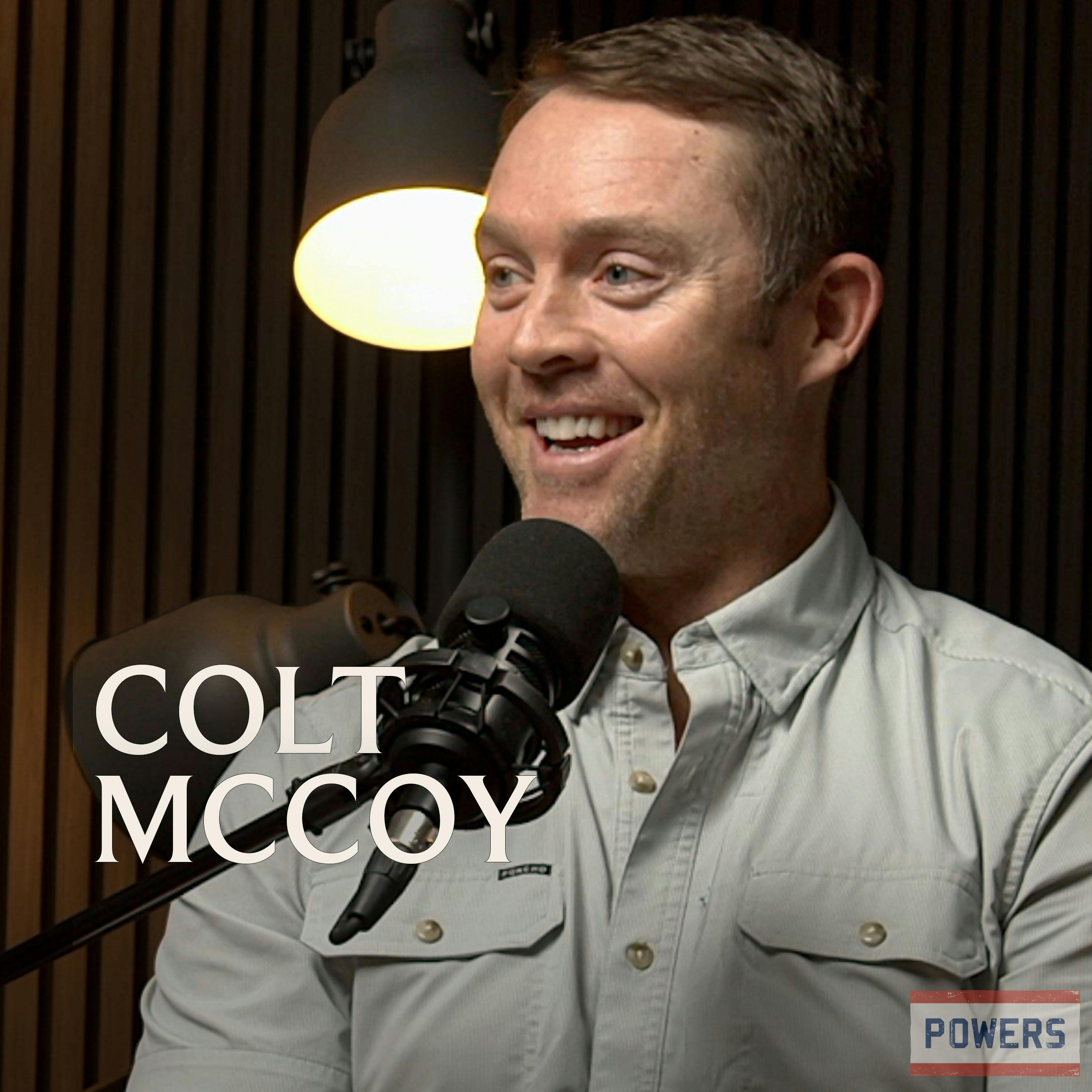
Succeeding NFL phenom Vince Young at Texas, Colt McCoy knew he couldn't match Young's physical gifts. He instead focused his energy on mastering the mental game—deeply understanding schemes, coverages, and play calls—to create his own unique and sustainable competitive advantage.