Get your free personalized podcast brief
We scan new podcasts and send you the top 5 insights daily.
Host Ted Seides initially created long lists of detailed questions, but found it made him focus on his script instead of listening to answers. This caused him to miss obvious follow-up questions, proving that a rigid script can be a liability.

Related Insights
Amateurs wing it, but true professionals appear spontaneous because deep preparation gives them the mental capacity to be present, listen, and pivot. Over-rehearsing a script makes you sound robotic and prevents you from genuinely connecting with the audience or conversation partner.
Instead of memorizing a script, which can sound robotic, turn your key messages into answers for implied questions. This cognitive trick helps you internalize the information more deeply, allowing for a more natural, confident, and accurate delivery without rote memorization.
For 20 years, Ted Seides never debriefed his own performance as an interviewer. Only when forced to listen to his podcast recordings did he create a feedback loop and improve his craft, highlighting a common blind spot for professionals who conduct interviews.
Asking "what" or "how" questions can create cognitive load. Instead, use labels like "It seems like..." or "It sounds like..." to make an observation. This prompts the other person to elaborate and reveal information without feeling interrogated.

Our natural tendency is to listen only enough to form a response. To break this habit, use the simple but powerful phrase "Tell me more." It forces you to stay present, allows the other person to elaborate, and ensures you fully understand their perspective before you speak, leading to deeper insights.

Host Jon Krohn improved his interviews by shifting from a rigid script to a natural conversation. He stopped taking manual notes, which made him look distracted, and now relies on AI for transcription. This allows him to be more present and engaged, leading to a better experience for guests and listeners.

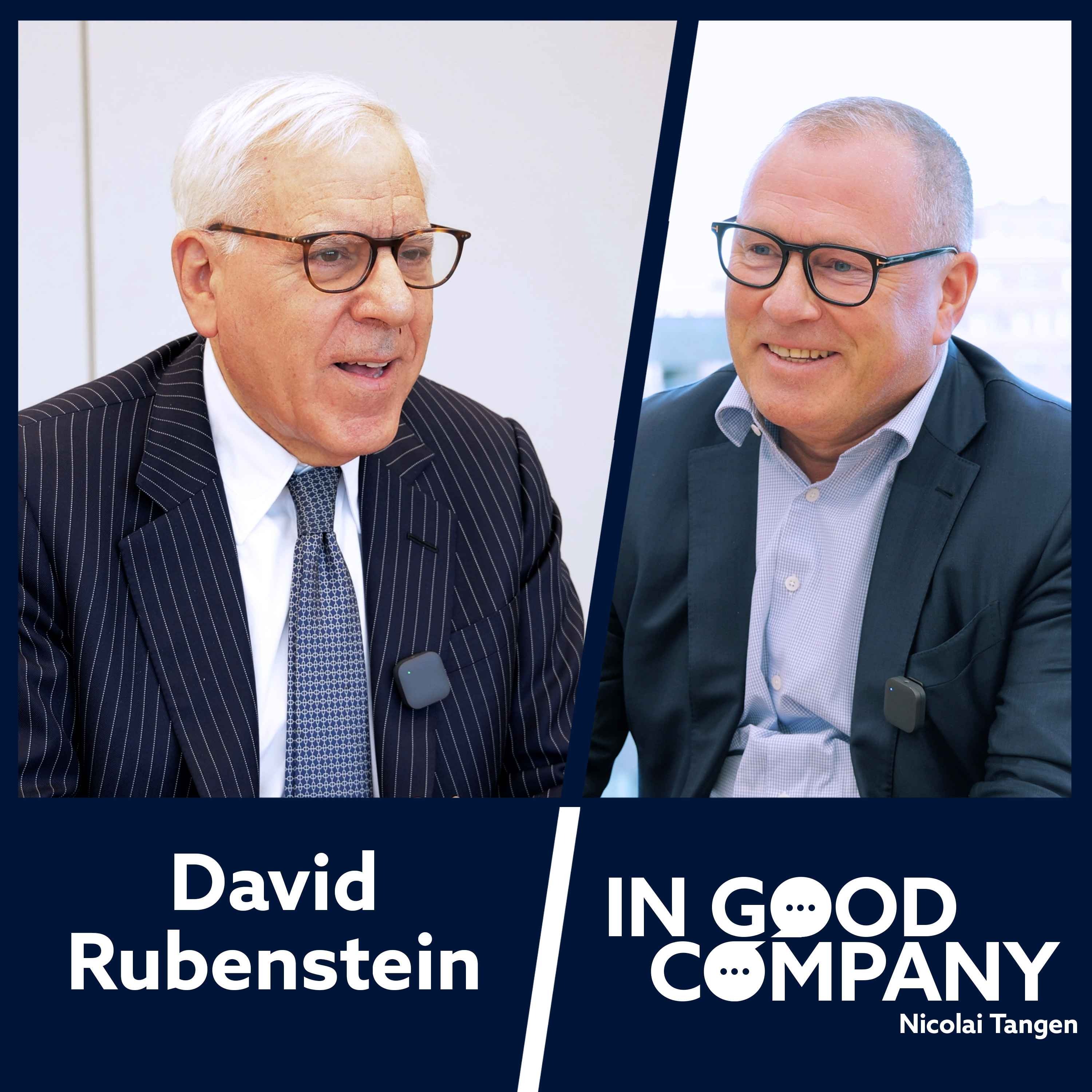
Citing Oprah Winfrey, Rubenstein argues the key to great interviewing is not having the best questions but being a great listener. True listening allows the interviewer to pivot and follow up on unexpected answers, turning a rigid Q&A into a genuine conversation that uncovers far deeper insights than a prepared script ever could.
It's cognitively impossible to actively listen, formulate follow-up questions, and take detailed notes simultaneously. The ideal interview setup involves a lead interviewer focused on the conversation and a second person whose sole responsibility is taking meticulous notes.

Reading from a list of questions makes an interview feel robotic and signals a lack of active listening. The more effective method is to internalize the core points from a prep sheet and then put it away. This frees you to be fully present, listen actively, and let the conversation flow naturally.

Being fully scripted can make a presentation feel rigid and disconnected from the audience. By intentionally remaining slightly unprepared, a speaker is forced to be more improvisational, responsive, and present. This creates a unique, energetic experience that feels tailored specifically for the people in the room, rather than a generic recording.