Get your free personalized podcast brief
We scan new podcasts and send you the top 5 insights daily.
New Fed Chair Kevin Warsh has a path to reduce the Fed's balance sheet beyond direct asset sales (QT). By working with the Treasury to reform bank liquidity requirements, such as the supplementary leverage ratio, banks would need to hold fewer reserves. This naturally shrinks the Fed's liabilities and overall balance sheet size.

Related Insights
Warsh advocates for a nuanced Fed policy: simultaneously cutting interest rates while passively shrinking the balance sheet by letting bonds mature. This "passive quantitative tightening" aims to reduce the Fed's market footprint without the shock of active selling, representing a middle ground between aggressive easing and hawkish tightening.

Current repo market stress is a structural problem caused by tight bank regulations, not a simple liquidity issue. To effectively shrink its balance sheet (QT), the Fed must first ease capital requirements. This counterintuitively acts as a nominal growth impulse by freeing banks to lend.

The post-Powell Fed is likely to reverse the QE playbook. The strategy will involve aggressive rate cuts to lower the cost of capital, combined with deregulation (like SLR exemptions) to incentivize commercial banks to take over money creation. This marks a fundamental shift from central bank-led liquidity to private sector-led credit expansion.

Fed nominee Kevin Warsh suggests an unconventional monetary policy: lowering interest rates to make borrowing cheaper while simultaneously tightening the Fed's balance sheet (pulling money from the economy). This attempts to stimulate markets and manage inflation at the same time, a difficult and seemingly contradictory goal.

A major regime change is underway to "reprivatize the financial system." This involves shrinking the Fed's footprint and loosening bank regulations to compel commercial banks to step back into their pre-GFC role as the primary creators of credit and market liquidity, reducing reliance on the central bank.
A new Fed Chair advocating for a smaller balance sheet cannot simply sell assets without causing market volatility. The Fed must first implement complex, long-term regulatory changes to reduce commercial banks' demand for reserves. This involves coordination with the Treasury and is not a quick policy shift.

The Federal Reserve has more flexibility to cut rates without stoking inflation if it is simultaneously shrinking its balance sheet. The two actions offset each other, meaning the Fed can provide economic stimulus via rate cuts while concurrently tightening through balance sheet reduction.

A highly technical insight reveals Kevin Warsh favors returning to the pre-2008 monetary system of "scarce reserves." This would be a major operational change from the current "ample reserves" framework, requiring the Fed to actively manage daily liquidity and significantly shrink its balance sheet to exert policy discipline.

While presidents focus on interest rates, a Fed Chair like Kevin Warsh has limited sway as one of 12 votes. His real impact will be on technical areas like the Fed's balance sheet, where he has stronger personal convictions and faces less political scrutiny.
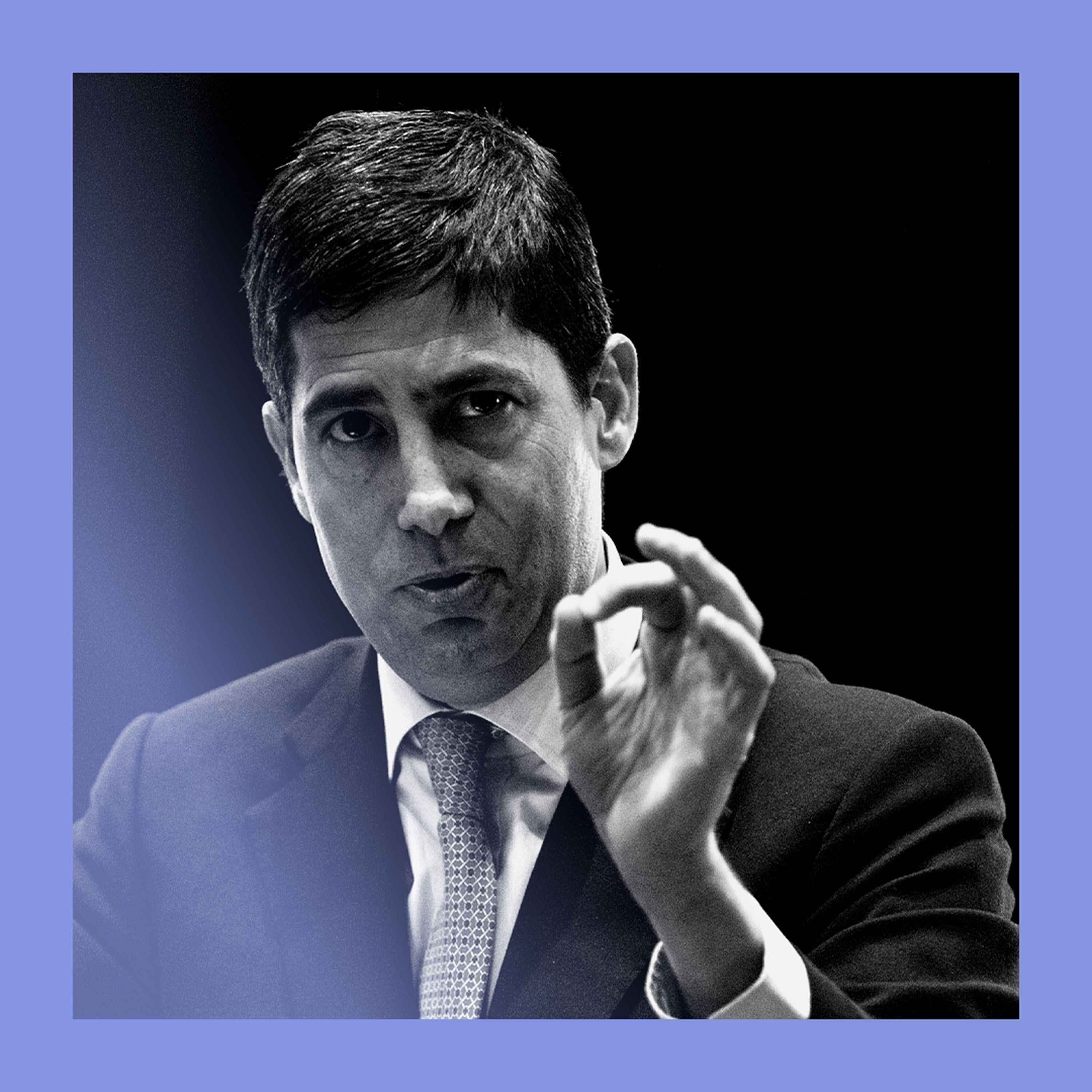
The Trump administration's desire for rate cuts is a given. Warsh's distinct, long-held agenda is to reduce the Fed's balance sheet. This reconciles his hawkish reputation with the dovish policy of cutting rates, a consensus view within the administration.