Get your free personalized podcast brief
We scan new podcasts and send you the top 5 insights daily.
Fed nominee Kevin Warsh suggests an unconventional monetary policy: lowering interest rates to make borrowing cheaper while simultaneously tightening the Fed's balance sheet (pulling money from the economy). This attempts to stimulate markets and manage inflation at the same time, a difficult and seemingly contradictory goal.

Related Insights
Warsh advocates for a nuanced Fed policy: simultaneously cutting interest rates while passively shrinking the balance sheet by letting bonds mature. This "passive quantitative tightening" aims to reduce the Fed's market footprint without the shock of active selling, representing a middle ground between aggressive easing and hawkish tightening.

On paper, the Fed is shrinking its balance sheet to cool the economy (quantitative tightening). In reality, rate cuts and other channels are injecting liquidity into the financial system faster than it's being removed. This contradictory policy means that despite official tightening, actual liquidity conditions are already easing, fueling asset prices.

Kevin Warsh argues the Fed has experienced "scope creep" by taking on quantitative easing, broad bank regulation, and social initiatives. He advocates for a return to a narrow mandate focused on price stability, using interest rates as the primary tool and exiting non-conventional mechanisms.

Despite his reputation as an inflation hawk, Fed Chair nominee Kevin Warsh is arguing for lower interest rates. He claims a coming AI-driven productivity boom will be disinflationary, allowing for looser monetary policy. This stance strategically aligns with President Trump's desire for rate cuts, making his nomination politically palatable.
While rate cuts are expected, the bar for restarting large-scale asset purchases (QE) will be much higher under a Warsh-led Fed. His career-long opposition to balance sheet expansion means that the "Fed Put"—the market's expectation of a central bank backstop—will only be triggered by a significantly more severe financial crisis.

The Federal Reserve has more flexibility to cut rates without stoking inflation if it is simultaneously shrinking its balance sheet. The two actions offset each other, meaning the Fed can provide economic stimulus via rate cuts while concurrently tightening through balance sheet reduction.

To secure a nomination from a president like Donald Trump, candidates like Kevin Warsh must publicly adopt positions, such as rate cuts, that contradict their hawkish history. This "audition process" creates fundamental uncertainty about their true policy direction once appointed.
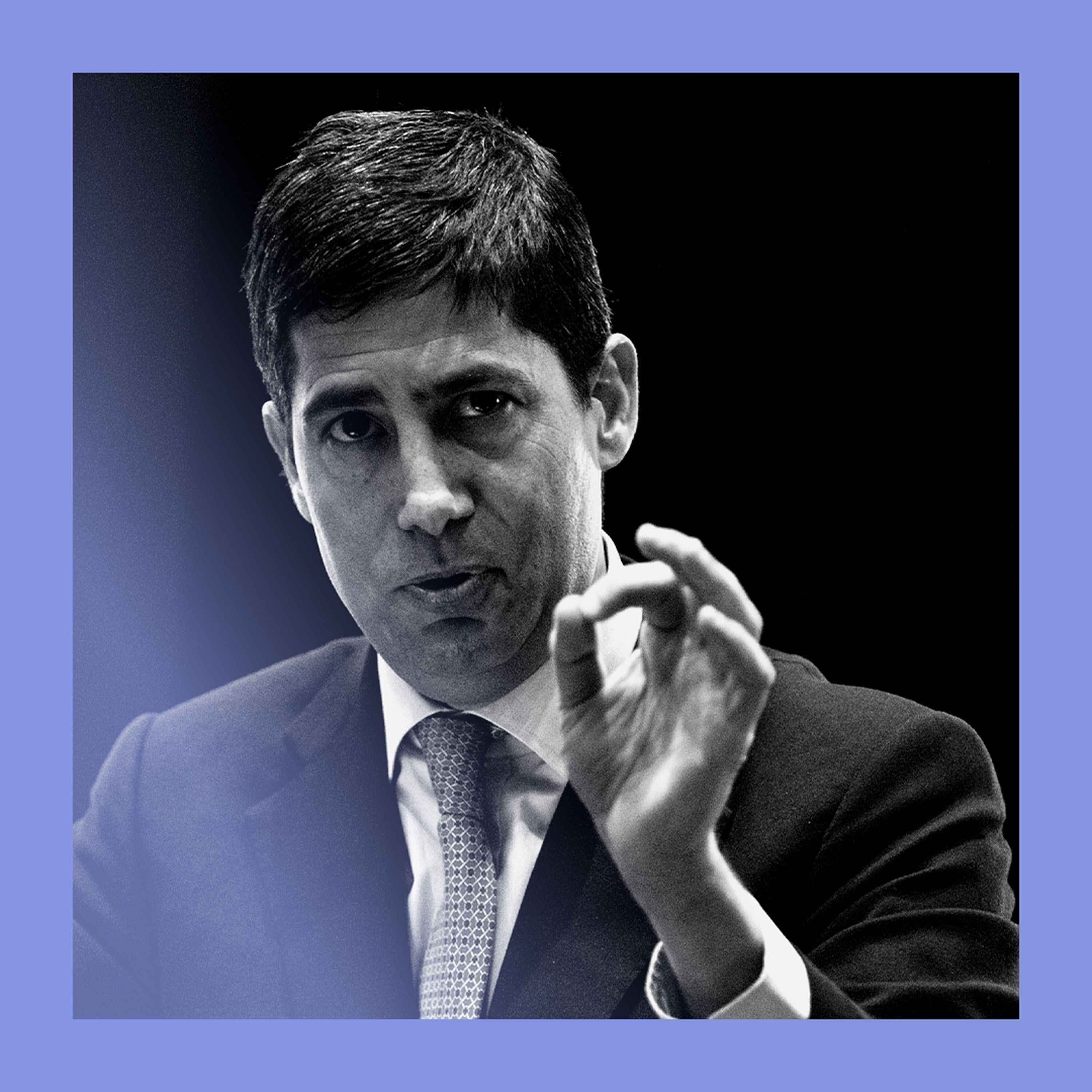
A highly technical insight reveals Kevin Warsh favors returning to the pre-2008 monetary system of "scarce reserves." This would be a major operational change from the current "ample reserves" framework, requiring the Fed to actively manage daily liquidity and significantly shrink its balance sheet to exert policy discipline.
While presidents focus on interest rates, a Fed Chair like Kevin Warsh has limited sway as one of 12 votes. His real impact will be on technical areas like the Fed's balance sheet, where he has stronger personal convictions and faces less political scrutiny.
The Trump administration's desire for rate cuts is a given. Warsh's distinct, long-held agenda is to reduce the Fed's balance sheet. This reconciles his hawkish reputation with the dovish policy of cutting rates, a consensus view within the administration.