Get your free personalized podcast brief
We scan new podcasts and send you the top 5 insights daily.
By appearing at a rival party's convention, a senator like John Fetterman gains enormous leverage. This move creates optionality, makes their own party leadership nervous, and positions them as a powerful holdout, similar to the strategy used by Senator Kyrsten Sinema.

Related Insights
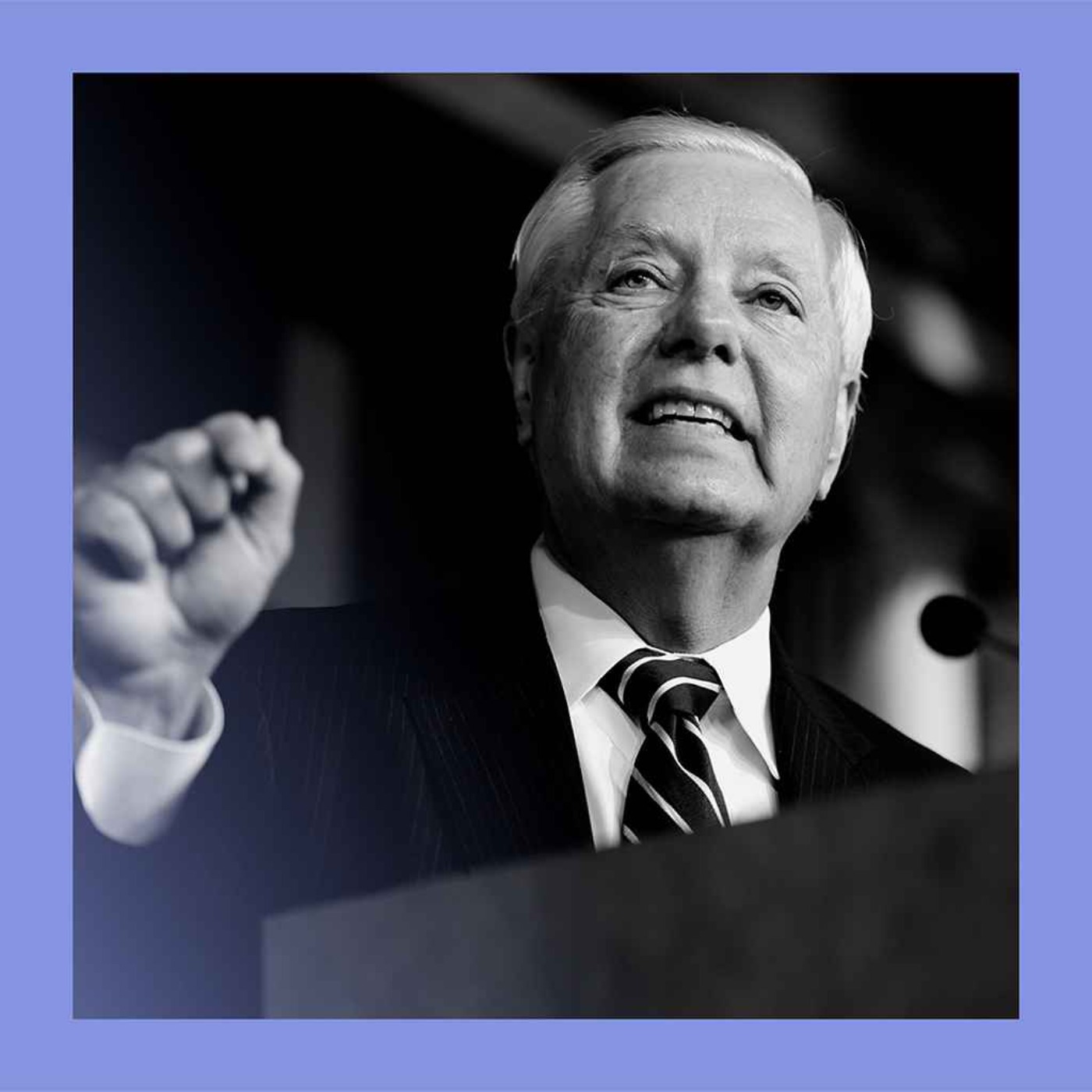
Senator Lindsey Graham initially denounced Donald Trump but later became a staunch ally. This transformation was not a change in core beliefs but a pragmatic decision to maintain political influence and access to power once Trump became the party's dominant figure, reflecting a broader party trend.
Political actions are often driven by a leader's narrow self-interest rather than the good of their country, party, or ideological group. Decisions frequently benefit the leader's immediate circle, even when it damages the broader faction they represent, as seen with politicians unwilling to step aside for their party's benefit.

The check on authoritarian power doesn't require a majority opposition. In the U.S. Senate, a small faction of just 20 Republicans could privately threaten to join Democrats on an impeachment vote, effectively forcing the administration to reverse course. Their inaction signals political cowardice.

A savvy political strategy involves forcing opponents to publicly address the most extreme statements from their ideological allies. This creates an impossible purity test. No answer is good enough for the fringe, and any attempt to placate them alienates the mainstream, effectively creating a schism that benefits the opposing party.

True influence in business or geopolitics isn't about force. It's about understanding the other party's narrative. Frame your proposal so that accepting it makes them a hero within their own organization or to their constituents, aligning their self-interest with your goals.

Fetterman reveals a significant reversal, stating the entire Democratic party was mistaken in wanting to eliminate the filibuster in 2020. He now champions it as an essential tool that forces bipartisan compromise and protects minority party rights, calling it a 'hill I would die on.'

Viewing politicians as athletes in a game reveals their true motivation: gaining and retaining power. This framework explains seemingly inconsistent actions, like flip-flopping, as strategic plays for short-term public sentiment rather than reflections of moral conviction or long-term vision.

A new, informal caucus of liberal senators, dubbed the 'Fight Club,' is challenging the party's establishment leadership. Rather than demanding resignations, they are pushing to back candidates who directly challenge corporate interests and party orthodoxy. This internal movement signals a deep, strategic battle for the party's future soul and direction.
Senators from the purple state of Pennsylvania must build coalitions that cross party lines to win elections. This electoral necessity, unlike in safe red or blue states, forces them to find common ground and work together, as many of their constituents voted for politicians from both parties.
Fetterman argues there is no single human leader of the Democratic party. Instead, he believes the party is governed by "TDS" (Trump Derangement Syndrome), an all-consuming opposition that makes it impossible to agree with Republicans on any issue, even on common-sense matters.
