Get your free personalized podcast brief
We scan new podcasts and send you the top 5 insights daily.
Fetterman reveals a significant reversal, stating the entire Democratic party was mistaken in wanting to eliminate the filibuster in 2020. He now champions it as an essential tool that forces bipartisan compromise and protects minority party rights, calling it a 'hill I would die on.'

Related Insights
Fetterman states he is "not outraged" by voter ID requirements and refuses to use rhetoric like "Jim Crow" to describe them. Citing that 83% of Americans and 71% of Democrats approve, he argues for a serious conversation, breaking sharply with his party's official stance.

The recurring threat of U.S. government shutdowns stems not from the Constitution, but from the Senate's filibuster convention. This procedural rule requires a 60-vote supermajority to pass budget bills, giving the minority party significant leverage to block legislation and trigger a shutdown, even without a majority of votes.
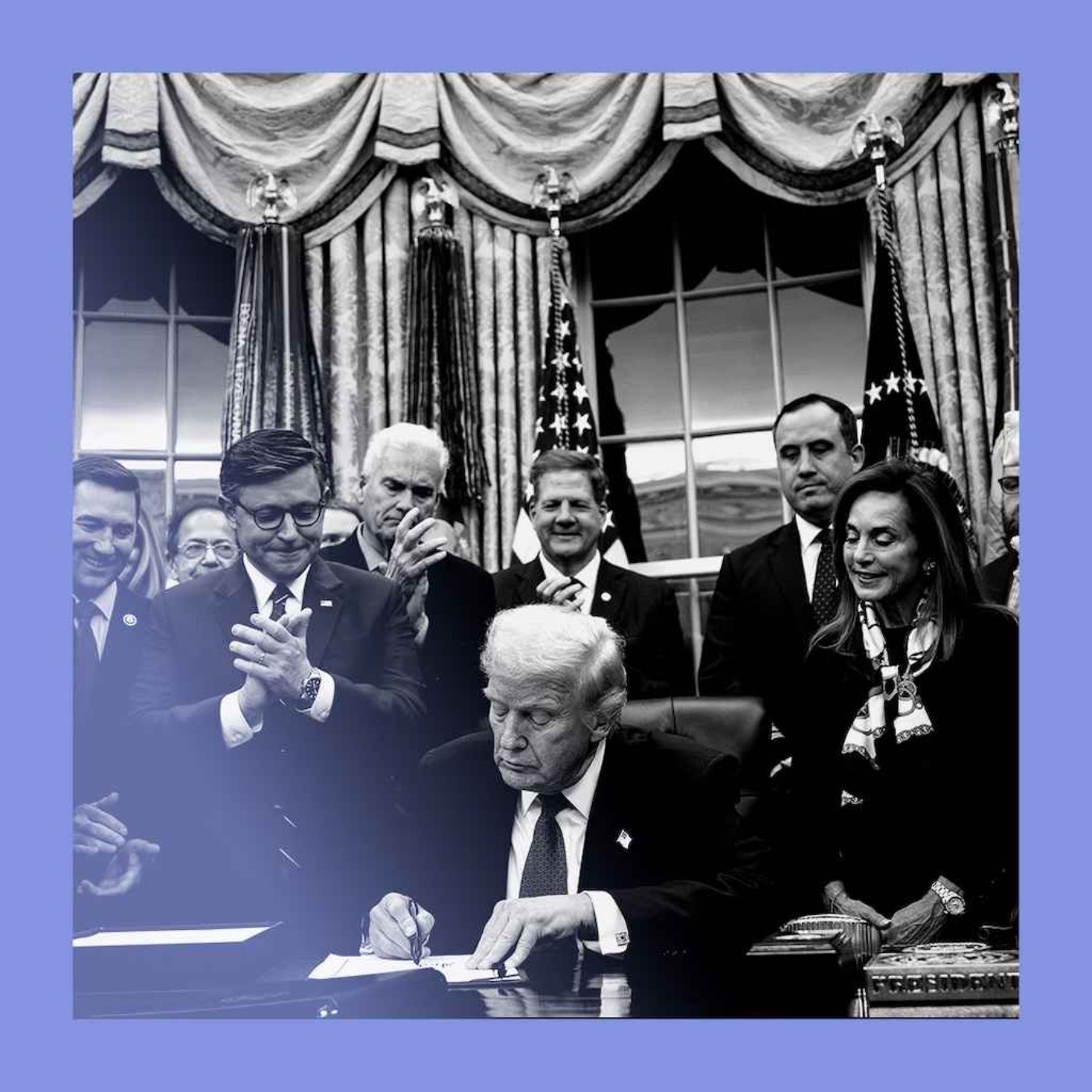
Fetterman explains his political evolution, stating that the definition of "progressive" has changed significantly since he first ran for office. He now identifies simply as a Democrat, distancing himself from modern progressive litmus tests, particularly regarding his unapologetic support for Israel.
Drawing on an analogy from George Washington, Manchin describes the Senate's purpose as cooling the 'hot tea' of partisan bills from the House. He views the 60-vote filibuster as the essential mechanism for forcing deliberation and bipartisan compromise, not just as an obstructionist tool.
A new, informal caucus of liberal senators, dubbed the 'Fight Club,' is challenging the party's establishment leadership. Rather than demanding resignations, they are pushing to back candidates who directly challenge corporate interests and party orthodoxy. This internal movement signals a deep, strategic battle for the party's future soul and direction.
Fetterman frames the Democratic Party's current ideological state with a stark contrast. He alleges some party members are willing to excuse or normalize a political candidate with a Nazi tattoo while simultaneously punishing Democrats who are unapologetically pro-Israel.
Senator Fetterman identifies himself as the only Democrat in Congress openly celebrating actions taken against the Iranian regime. He argues that holding Iran accountable and neutralizing its military apparatus is a clear win for global security and should be supported regardless of which political party is in power.
Senators from the purple state of Pennsylvania must build coalitions that cross party lines to win elections. This electoral necessity, unlike in safe red or blue states, forces them to find common ground and work together, as many of their constituents voted for politicians from both parties.
Fetterman bluntly critiques his own party, stating its primary motivator is 'TDS'—an automatic, reflexive opposition to anything associated with Donald Trump. He argues this prevents independent thought and productive governance, as even good ideas are rejected based on their perceived source.
Fetterman argues there is no single human leader of the Democratic party. Instead, he believes the party is governed by "TDS" (Trump Derangement Syndrome), an all-consuming opposition that makes it impossible to agree with Republicans on any issue, even on common-sense matters.