Get your free personalized podcast brief
We scan new podcasts and send you the top 5 insights daily.
Fetterman argues there is no single human leader of the Democratic party. Instead, he believes the party is governed by "TDS" (Trump Derangement Syndrome), an all-consuming opposition that makes it impossible to agree with Republicans on any issue, even on common-sense matters.

Related Insights
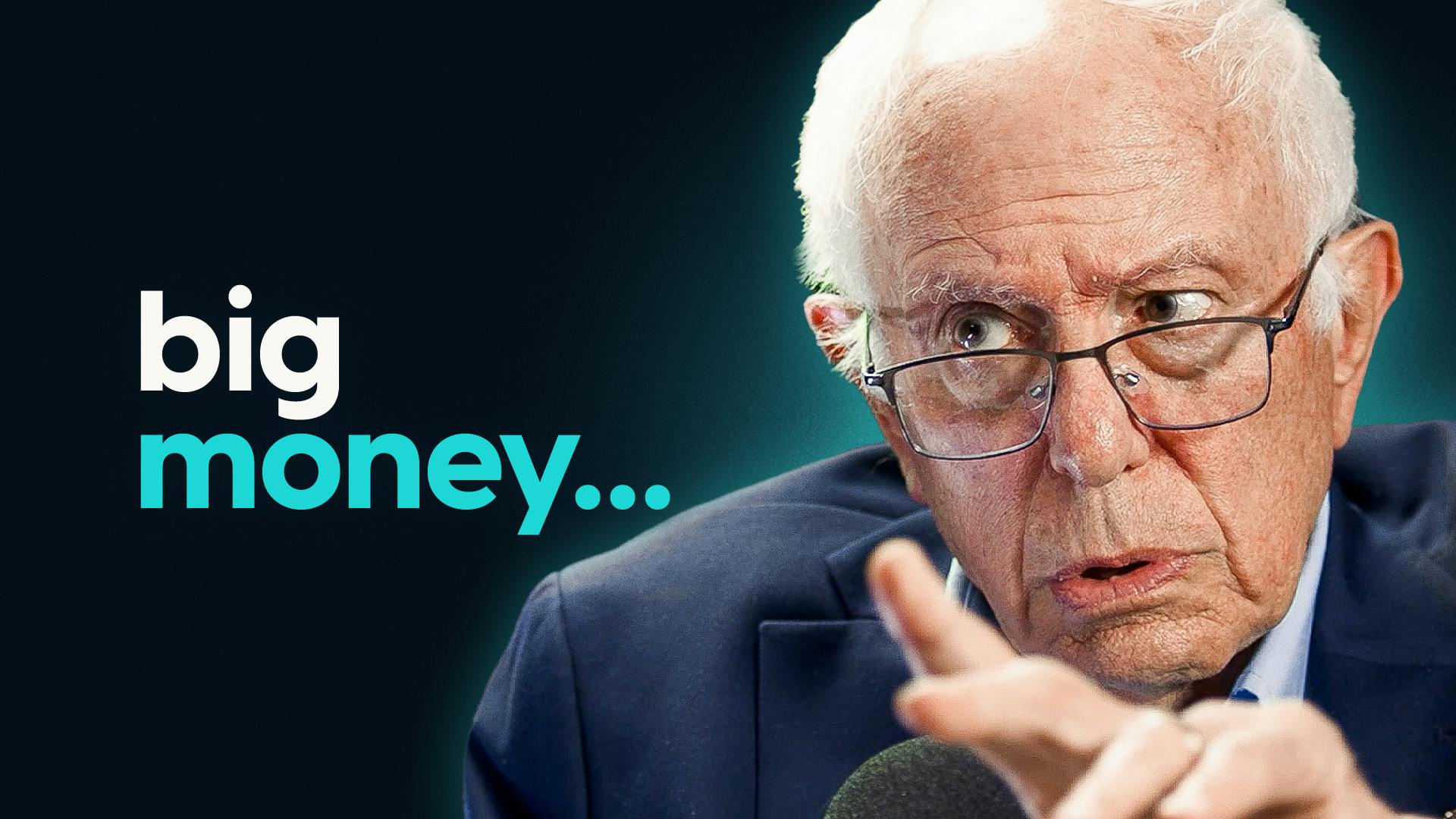
Senator Bernie Sanders argues the Democratic party, once the party of the working class, began courting wealthy donors in the 1970s. This strategic shift led them to neglect core economic issues, causing their traditional base to feel alienated and vote for candidates like Donald Trump.
The most significant threat to a political ideology comes not from the opposing party, but from the 'lunatics' on its own side. These extreme factions can make the entire group appear foolish and unreasonable, doing more damage to their credibility than any opponent ever could.
Fetterman states he is "not outraged" by voter ID requirements and refuses to use rhetoric like "Jim Crow" to describe them. Citing that 83% of Americans and 71% of Democrats approve, he argues for a serious conversation, breaking sharply with his party's official stance.
Fetterman explains his political evolution, stating that the definition of "progressive" has changed significantly since he first ran for office. He now identifies simply as a Democrat, distancing himself from modern progressive litmus tests, particularly regarding his unapologetic support for Israel.
To counter what he sees as unprecedented corruption and bigotry, Prof. Scott Galloway suggests Democrats should promise a public reckoning for the Trump administration, akin to the Nuremberg trials, arguing their current response is too weak.

Political parties now adopt positions primarily to oppose their rivals, rather than from consistent principles. This is seen in the multiple reversals on COVID-19 policies and vaccines. When beliefs flip-flop based on the opponent's stance, the driving force is tribalism, not ideology.

A new, informal caucus of liberal senators, dubbed the 'Fight Club,' is challenging the party's establishment leadership. Rather than demanding resignations, they are pushing to back candidates who directly challenge corporate interests and party orthodoxy. This internal movement signals a deep, strategic battle for the party's future soul and direction.
Fetterman frames the Democratic Party's current ideological state with a stark contrast. He alleges some party members are willing to excuse or normalize a political candidate with a Nazi tattoo while simultaneously punishing Democrats who are unapologetically pro-Israel.
Senator Fetterman identifies himself as the only Democrat in Congress openly celebrating actions taken against the Iranian regime. He argues that holding Iran accountable and neutralizing its military apparatus is a clear win for global security and should be supported regardless of which political party is in power.
Senator Sanders describes a 'Stalinist type allegiance' within the Republican party, where dissent against Donald Trump is rare. Politicians fear that any criticism will result in them being targeted in primary elections by billionaire-funded challengers, creating a cult of personality that stifles independent thought.