Get your free personalized podcast brief
We scan new podcasts and send you the top 5 insights daily.
While marketing a product as "AI-Free" might appeal to a niche audience, similar to "handcrafted" goods, it's unlikely to be a successful strategy for mass-market brands. Ultimately, consumer behavior at scale is driven by price and quality, not a company's internal AI use.

Related Insights
Responding to a growing consumer backlash against AI-generated content, brands are beginning to market their creative as authentically human-made. American Eagle's '100% Aerie real' campaign explicitly states no AI was used for models or retouching, positioning human creation as a key brand differentiator and trust signal.
![What’s Up THIS WEEK?! 🤖 The ANTI-AI Advertising Movement ➕Connected TV is FOR ALL Size Marketers Now [B2B and B2C] 📺 | Ep. 488 thumbnail](https://artwork.captivate.fm/47b1df77-ad4d-4b4a-8d64-8d86985fef1e/New-Cover.jpeg)
Using AI to save time on content can backfire if the audience expects authenticity. The value in human-created art, writing, or presentations often lies in the invested energy and personal story, which AI shortcuts can devalue in the customer's eyes.

As AI becomes more integrated into marketing, the average consumer remains wary. To succeed, brands need to proactively increase transparency and authenticity, emphasizing the human element behind their operations to build trust and overcome customer skepticism about AI-driven engagement.
As AI floods markets with polished, generic content, brands will differentiate by being raw, live, and unscripted. This 'handcrafted humanity' builds trust and connection in a way slick AI output cannot, creating a powerful competitive advantage.

As audiences grow tired of generic, low-effort AI content, brands can gain a competitive advantage. Focusing on authentic, human-driven, and even imperfect content will become a key differentiator and a core growth tactic in a saturated digital landscape.

As AI makes code, content, and design infinitely available, scarcity shifts to what AI cannot replicate: creative judgment, original "weird" thinking, and in-person physical experiences. This creates an opportunity for premium, human-centric brands to market themselves as "AI-Free," similar to organic food certifications.

The "AI-generated" label carries a negative connotation of being cheap, efficient, and lacking human creativity. This perception devalues the final product in the eyes of consumers and creators, disincentivizing platforms from implementing labels that would anger their user base and advertisers.
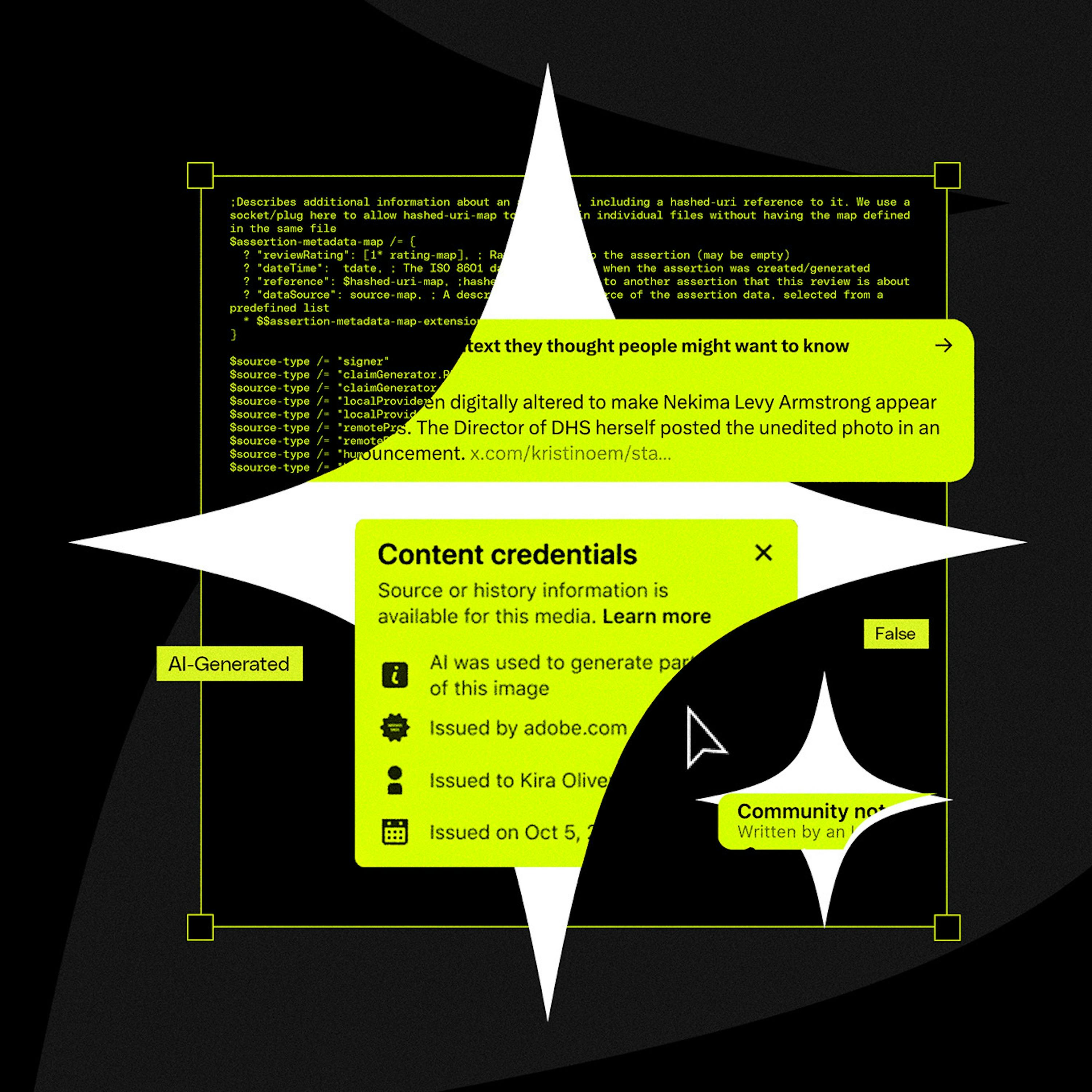
Because AI can generate content in seconds, it is perceived as low-effort. This violates the "labor illusion," where effort signals quality. A study showed that when a poster was labeled "AI-powered" instead of "hand-drawn," purchase intent dropped by 61%. Brands using AI must reframe the narrative around the effort of building the system.

AI can execute the operational 'grunt work' of a company, but it lacks the nuanced understanding of human desires. A human founder's intuition is still the key to effective marketing, branding, and identifying what resonates with customers in a world where humans control the wallets.

As AI-generated content becomes ubiquitous, a counter-movement will establish "100% human-generated" as a premium, luxury status symbol. This "artisanal anti-AI" trend will manifest as certifications and exclusive networks, appealing to consumers who value authenticity and human craftsmanship.
