Get your free personalized podcast brief
We scan new podcasts and send you the top 5 insights daily.
In a political breakdown, the most probable danger isn't a popular uprising against an intervention, but the exploitation of Cuba's weak banking system and prime real estate by criminal groups for massive money laundering operations.

Related Insights
The Cuban government failed to implement necessary economic reforms during the 'Obama window' of opportunity, leaving the economy fragile and far more susceptible to the subsequent 'maximum pressure' campaign from the U.S.
An expert assesses a 70-80% probability that Cuba will cut a deal with the Trump administration, similar to Venezuela's. Lacking a foreign patron like the USSR or Chavez-era Venezuela, the Cuban regime is motivated by economic desperation to make a pragmatic deal, trading alignment for relief from US sanctions to maintain power.

Private small and medium-sized businesses, legalized in 2021, have become vital for Cubans' survival, paying up to 10 times state salaries. However, the Communist Party remains ambivalent, creating a climate of legal uncertainty for entrepreneurs who are essential to the economy.
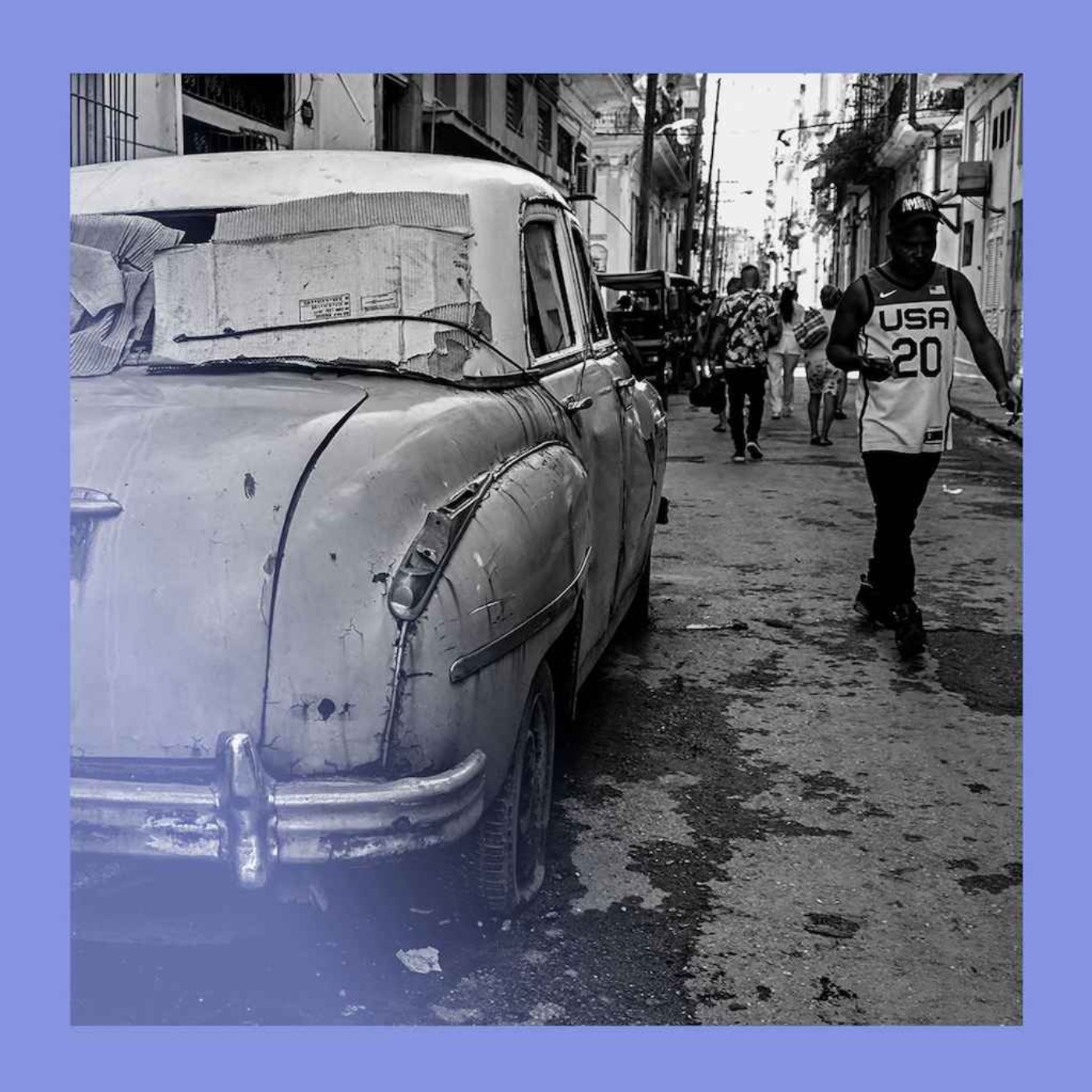
Despite a strong sense of nationalism, suffering in Cuba has become so profound that many citizens now see American intervention as the only path to change. Their desperation for a resolution outweighs their historical opposition to foreign involvement, viewing it as a "get it over and done with" scenario.

Cryptocurrency's strategic impact isn't its potential to replace the entire financial system, but its ability to absorb the relatively small but critical volume of global transactions related to crime and sanctions evasion, where it can be uniquely effective.
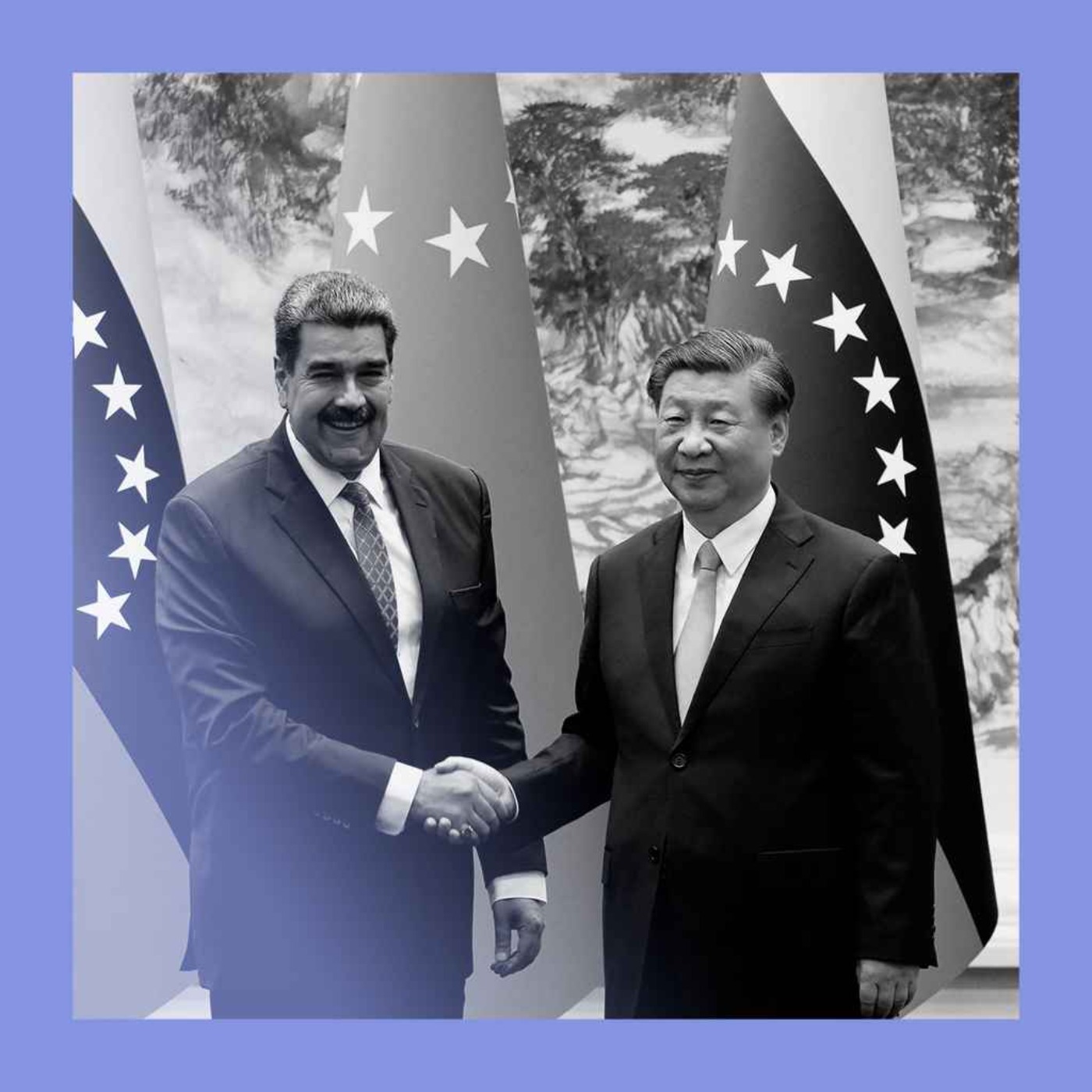
Despite facing extreme economic scarcity, crippling power outages, and decades of US pressure, the Cuban government's collapse is not imminent. Analysts warn against underestimating the regime's staying power, citing its highly disciplined organization and a core of revolutionaries who have defied predictions of their demise.
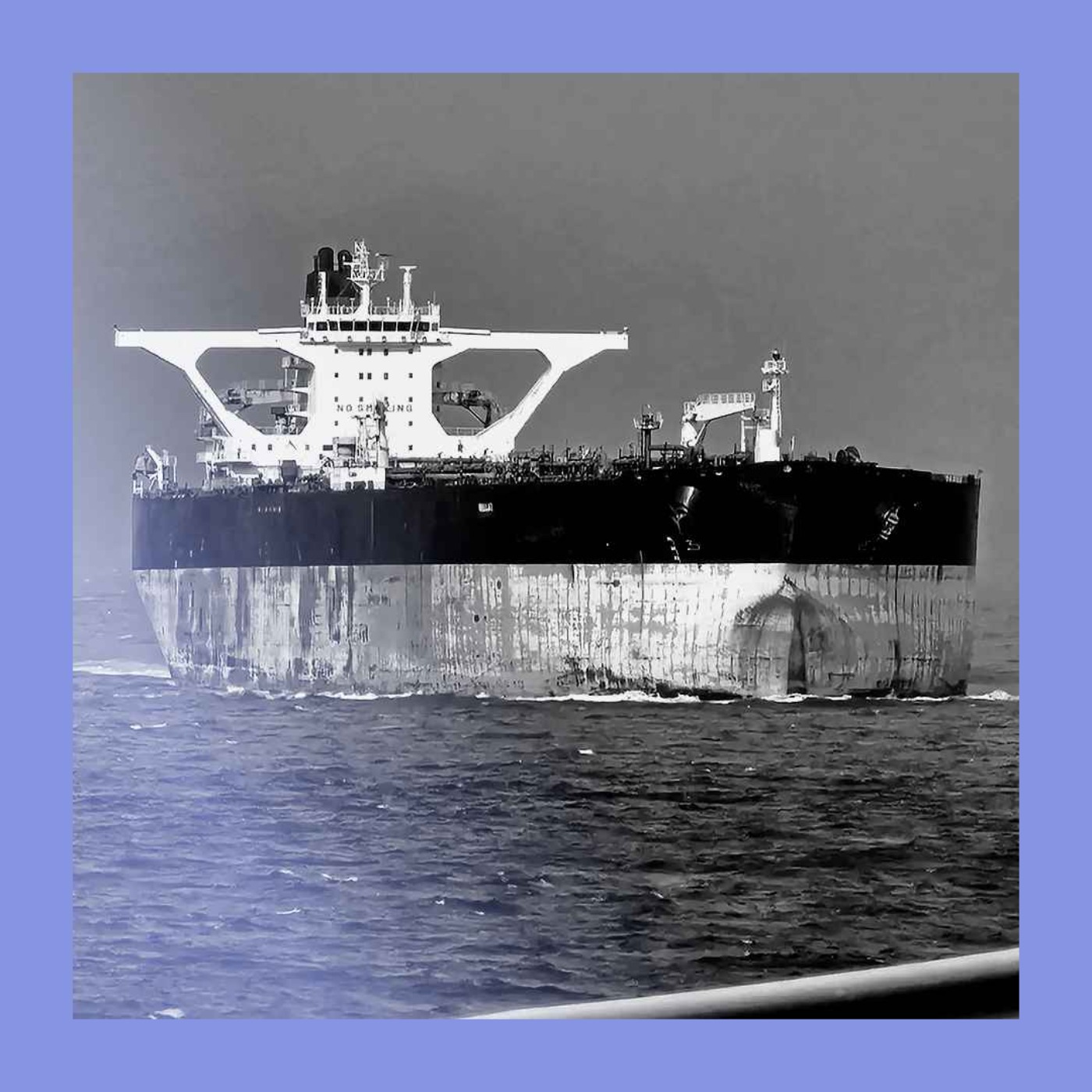
Beyond its widely reported economic woes, Cuba is experiencing a severe demographic crisis. A leading demographer estimates that nearly a quarter of the entire population has emigrated in just the last five to six years, representing a profound brain drain and a challenge to the nation's future stability.
The Maduro regime is not just a corrupt petrostate; it is a diversified criminal enterprise. It has expanded into drug trafficking, gold smuggling, and human trafficking, turning Venezuela into a safe haven for global criminal networks, terrorist groups, and adversaries like Russia and Iran.

Beyond headline-grabbing scandals, the most insidious impact of a kleptocratic administration is its refusal to enforce existing laws, from financial regulations to anti-corruption acts. This quiet dismantling of the legal framework fosters a culture of impunity where bad actors thrive, ultimately harming ordinary people and destabilizing the entire system.

Cuba's infrastructure and military are already in such poor shape that aerial attacks would have limited impact. The regime could simply absorb the damage, leading to a stalemate and increased suffering for the population without any political change.