Get your free personalized podcast brief
We scan new podcasts and send you the top 5 insights daily.
When a prospect says you're too expensive, reframe the conversation by asking, "Does that mean pricing is your first priority?" Since no one wants to appear cheap, this forces them to pivot to a discussion about value, which you can then explore further.
Related Insights
Instead of directly challenging an objection, reframe it by suggesting there's a deeper context. Using phrases like 'it sounds like there's a story behind that' encourages the prospect to volunteer the real root cause of their hesitation, transforming a confrontation into a collaborative discovery process.

When a prospect says your price is too high, reframe the conversation away from cost. Ask them, 'Independent of price, are we the vendor of choice?' This forces them to recommit to you as the best solution or admit they're still evaluating, strengthening your negotiation leverage.

When a prospect objects that your price range is too high, immediately pivot by asking what number they have discussed internally. This tactic leverages transparency—since you've shared your number, it's reasonable for them to share theirs—and quickly uncovers their real budget expectations.
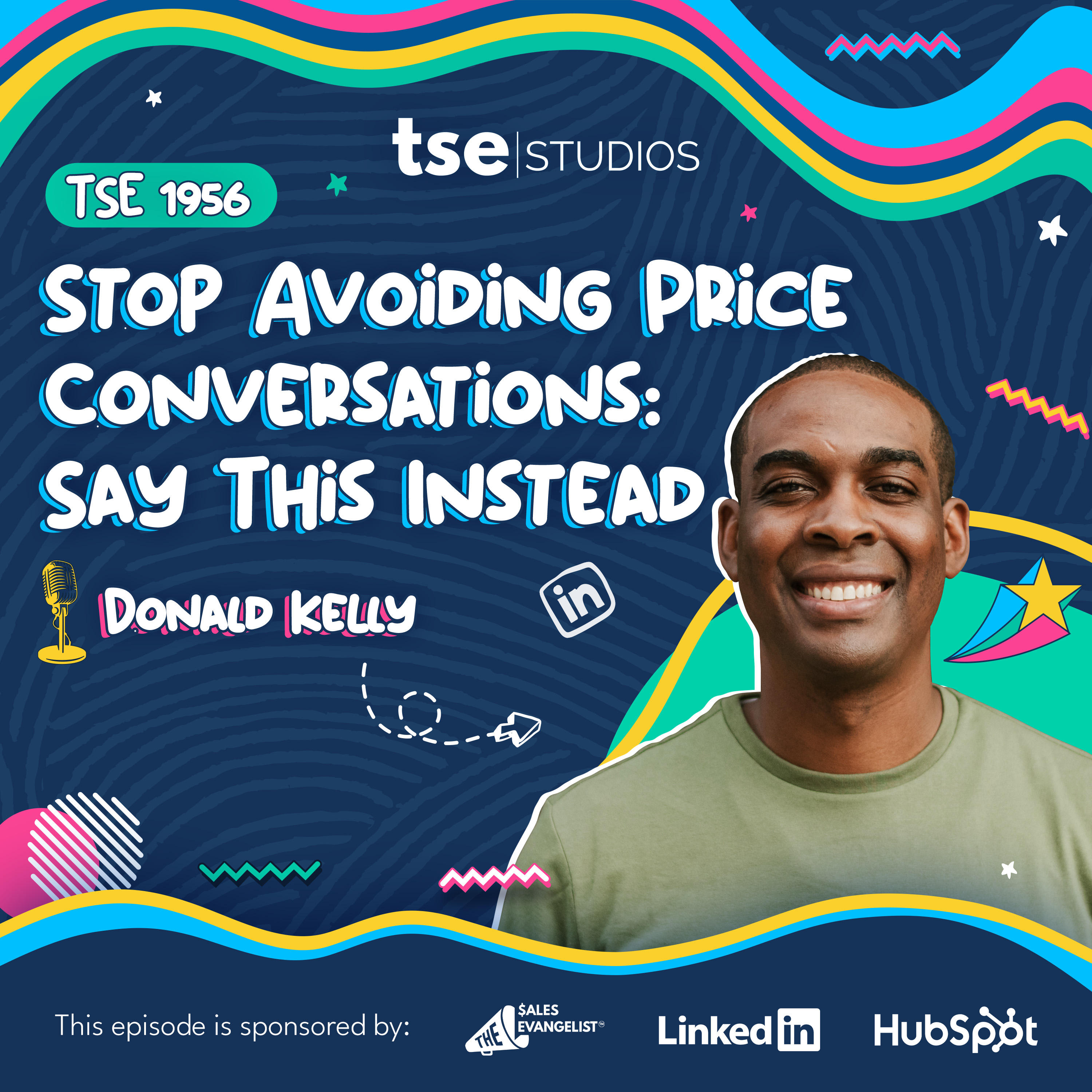
When a prospect pushes back on price, it's rarely about the absolute dollar amount. It's a symptom that they don't fully believe you can deliver the promised transformation or value. The salesperson's primary challenge is to build conviction in the outcome, which makes the price an easy decision in comparison.

Instead of stating a single number, introduce price as a range based on what similar customers invest to solve comparable problems. This normalizes the cost, provides a clear budget anchor, and frames the conversation around investment and partnership rather than a transactional price tag.
Salespeople often delay price discussions to first demonstrate value. However, no amount of value can overcome a fundamental budget mismatch. This wastes time for both the seller and the buyer, as the deal is destined to fail if the price is out of reach.
Instead of countering an objection, diffuse the conflict by relating to the underlying emotion. For a price objection, say, 'It sounds like you make really good decisions with money.' This shows empathy without agreeing their price is too high, lowering their defenses and making them more collaborative.

Price objections don't stem from the buyer's ignorance, but from the seller's failure to establish clear economic value. Before revealing the cost, you must build a business case. If the prospect balks at the price, the fault lies with your value proposition, not their budget.

Asking a client for their budget is a mistake because they aren't the expert and don't know what's truly possible. Instead, present a vision of the ideal outcome to educate them on a better solution. This shifts the conversation from price to value, often leading to a much larger sale.

Never present a price in a vacuum. Just before revealing the investment amount, explicitly summarize the customer's key challenges and pains. Gaining their agreement on the severity of the problem anchors the price to the value of the solution, making the cost seem more reasonable in comparison.
