Get your free personalized podcast brief
We scan new podcasts and send you the top 5 insights daily.
Despite intense investor demand, Sierra's founders guided towards and accepted lower valuations. Their focus was on raising enough capital to reach the next "unequivocally higher watermark" in revenue and scale, prioritizing sustainable growth over maximizing valuation on paper.

Related Insights
When aiming for a billion-dollar outcome, a 10-20% valuation difference in early funding rounds becomes negligible. The priority should be securing a long runway with as much capital as possible when it's available, as this enables the execution required to reach a massive exit.

In early fundraising rounds, the "signal" from having a top-tier investor on the cap table is more valuable than optimizing for a slightly higher valuation. This signal builds credibility that makes subsequent fundraising rounds significantly easier, a long-term benefit many founders overlook.
Contrary to the 'raise as much as you can' mentality, taking smaller, more frequent funding rounds is strategically better. This approach allows for regular valuation markups, improves employee stock option value, maintains momentum, and avoids the pressure of an unattainably high valuation.
While first-time founders often optimize for the highest valuation, experienced entrepreneurs know this is a trap. They deliberately raise at a reasonable price, even if a higher one is available. This preserves strategic flexibility, makes future fundraising less perilous, and keeps options open—which is more valuable than a vanity valuation.
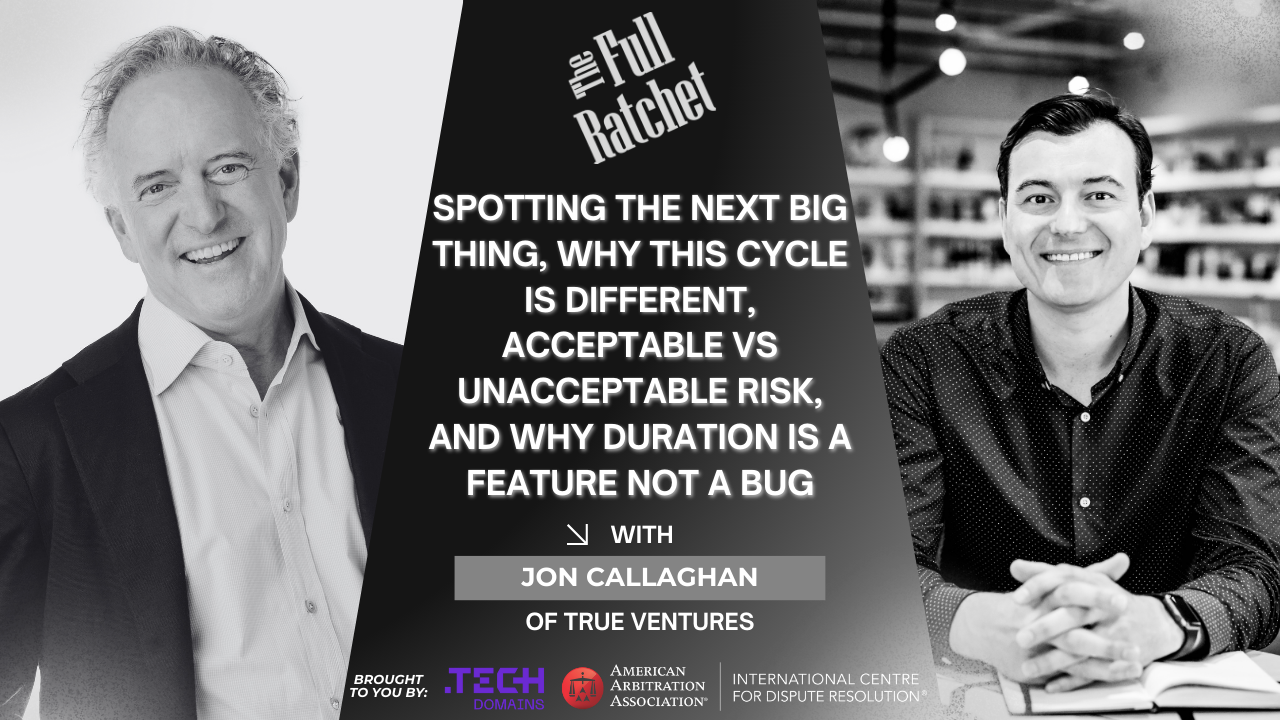
Qualtrics intentionally raised capital at valuations up to 40% lower than what they were offered. This cap table management strategy ensured their eventual IPO could still be an up-round even in a shaky market, avoiding the morale-crushing impact of a down-round IPO.
The first question in any fundraising or M&A discussion is always, 'What was your last round price?' An inflated number creates psychological friction and can halt negotiations before they begin. Founders should optimize for a valuation that allows for a clear up-round, not just the highest price today.

The founder consciously avoided raising at a high valuation, not just to prevent a future down round, but because he saw it as a source of immense psychological pressure. He felt this pressure would distract from solving hard, long-term problems, preferring a shorter runway to the mental burden of an inflated valuation.

Despite soaring seed valuations, the most expensive deals for top-tier AI companies may actually be undervalued. The potential for trillion-dollar outcomes and unprecedented scaling speed means even a $174M seed valuation could be a bargain for a category-defining company.

Despite a high valuation from the 2021 funding environment, the focus remained on long-term fundamentals: solving a huge, growing problem. By managing capital efficiently, they bought the time needed for business fundamentals to catch up to the valuation.

The founder advises against always pursuing the highest valuation, noting it can lead to immense pressure and difficulties in subsequent rounds if the market normalizes. Prioritizing investor chemistry and a fair, responsible valuation is a more sustainable long-term strategy.