Get your free personalized podcast brief
We scan new podcasts and send you the top 5 insights daily.
When aiming for a billion-dollar outcome, a 10-20% valuation difference in early funding rounds becomes negligible. The priority should be securing a long runway with as much capital as possible when it's available, as this enables the execution required to reach a massive exit.

Related Insights
In early fundraising rounds, the "signal" from having a top-tier investor on the cap table is more valuable than optimizing for a slightly higher valuation. This signal builds credibility that makes subsequent fundraising rounds significantly easier, a long-term benefit many founders overlook.

Contrary to the 'raise as much as you can' mentality, taking smaller, more frequent funding rounds is strategically better. This approach allows for regular valuation markups, improves employee stock option value, maintains momentum, and avoids the pressure of an unattainably high valuation.

While first-time founders often optimize for the highest valuation, experienced entrepreneurs know this is a trap. They deliberately raise at a reasonable price, even if a higher one is available. This preserves strategic flexibility, makes future fundraising less perilous, and keeps options open—which is more valuable than a vanity valuation.
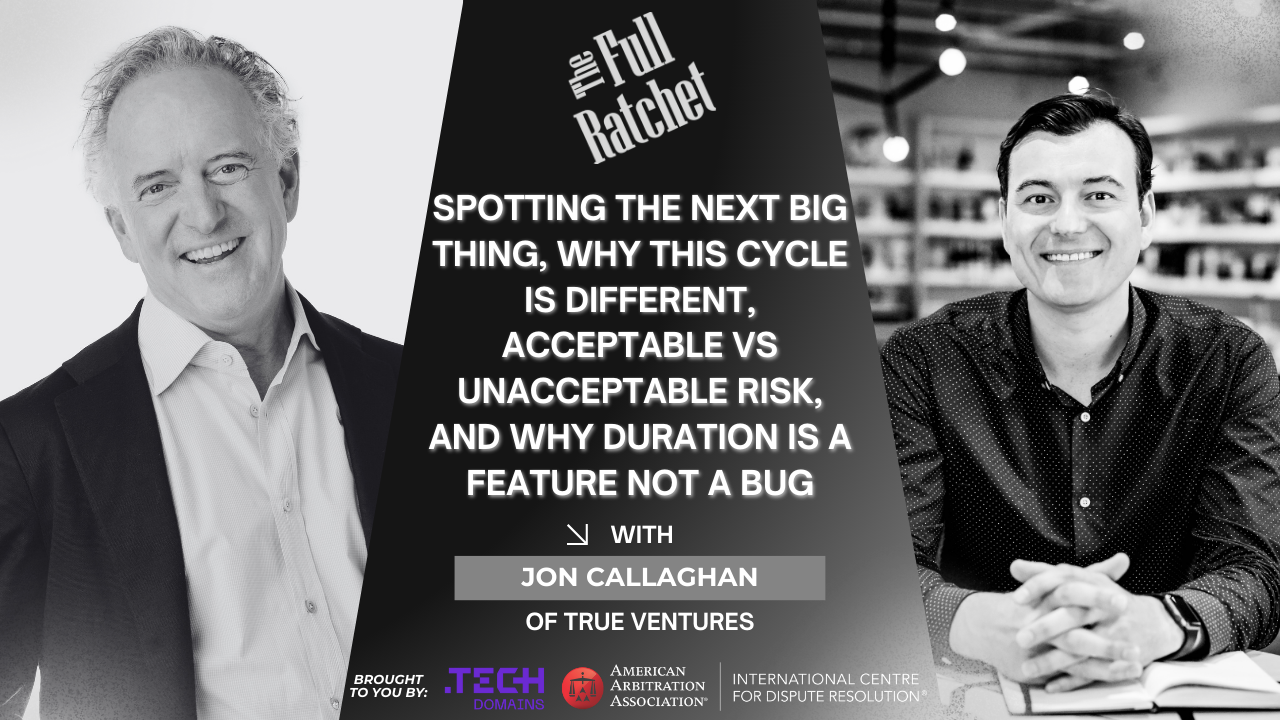
Ron Najafi advises founders to accept investment when it's offered rather than over-negotiating valuation. The security of having capital on hand to navigate unforeseen challenges like clinical study hiccups is more critical for long-term survival than a marginal valuation increase.

With Series A valuations around $75M, a $1B exit fails to deliver venture-scale returns after dilution. Investors now require a credible path to a $10B+ 'decacorn' outcome, forcing founders to pitch stories of reaching half a billion to a billion in ARR to be considered.

Founders can become fixated on achieving a good burn multiple, which is a theoretical measure of fundability. However, they sometimes forget the practical reality: a great burn multiple is useless if the company runs out of cash. Cash in the bank is a material construct, not a theoretical one.
Accepting too high a valuation can be a fatal error. The first question in any subsequent fundraising or M&A discussion will be about the prior round's price. An unjustifiably high number immediately destroys the psychology of the new deal, making it nearly impossible to raise more capital or sell the company, regardless of progress.

For startups experiencing hyper-growth, the optimal strategy is to raise capital aggressively and frequently—even multiple times a year—regardless of current cash reserves. This builds a war chest, solidifies a high valuation based on momentum, and effectively starves less explosive competitors of investor attention and capital.

In capital-intensive markets like AI, capital is a competitive weapon. If fundraising feels easy, it's a signal you weren't aggressive enough. Kalanick's philosophy suggests you should have pushed for a much larger round to create a significant moat against competitors, treating capital as a strategic advantage.

The founder advises against always pursuing the highest valuation, noting it can lead to immense pressure and difficulties in subsequent rounds if the market normalizes. Prioritizing investor chemistry and a fair, responsible valuation is a more sustainable long-term strategy.