Get your free personalized podcast brief
We scan new podcasts and send you the top 5 insights daily.
Investor Guy Oseary credits David Geffen's advice for his successful early investments in OpenAI and Anthropic. The "blinders" concept involves focusing solely on your own conviction, ignoring widespread doubt, to make contrarian, high-stakes decisions.

Related Insights
Effective investing is less about being contrarian for its own sake and more about identifying a truth the market has mispriced. The skill lies in acquiring better, asymmetric information and then confidently maintaining that position until the market catches up.
![Sarah Guo - What the 250 People Building AI Believe - [Invest Like the Best, EP.489] thumbnail](https://megaphone.imgix.net/podcasts/ef669774-cccd-11ed-889b-c36caad6646f/image/158efdddfb983d2678b3530d484e8aa2.jpg?ixlib=rails-4.3.1&max-w=3000&max-h=3000&fit=crop&auto=format,compress)
The most successful venture investors share two key traits: they originate investments from a first-principles or contrarian standpoint, and they possess the conviction to concentrate significant capital into their winning portfolio companies as they emerge.

DeepMind's founders knew their ambitious AGI mission wouldn't appeal to mainstream VCs. They specifically targeted Peter Thiel, believing they needed "someone crazy enough to fund an AGI company" who valued ambitious, contrarian ideas over a clear business plan, demonstrating the importance of strategic investor-founder fit.
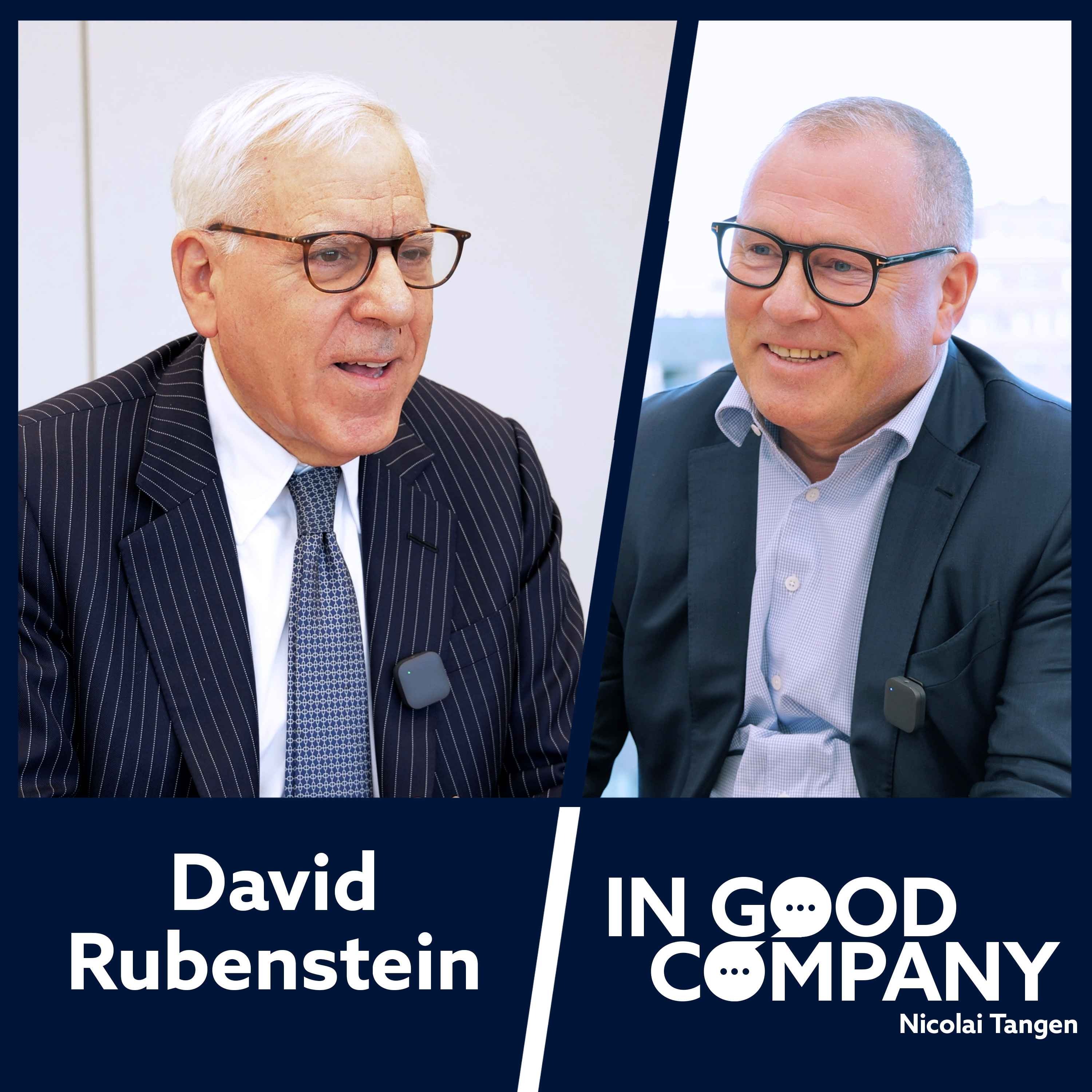
To achieve above-average investment returns, one cannot simply follow the crowd. True alpha comes from contrarian thinking—making investments that conventional wisdom deems wrong. Rubenstein notes the primary barrier is psychological: overcoming the innate human desire to be liked and the fear of being told you're 'stupid' by your peers.
Generating disproportionate returns requires holding an original, contrarian perspective that the market initially dismisses as "stupid." The ability to persist with a non-consensus belief until it's proven correct is a core, and rare, quality of great investors.

Skeptics argue that top AI investors succeeded due to privileged access to private company data. It's more likely this data simply reinforced a pre-existing, high-conviction thesis. The ability to hold and press a thematic bet stems from genuine conviction, not just an information edge.

In a market where everyone agrees AI is the future, being a contrarian no longer means betting against it. Instead, the real edge comes from believing in the trend more intensely than others and identifying nuanced, under-appreciated sub-domains like productivity enhancement or the moats created by elite talent.

Legendary investors often succeed by making contrarian bets on ideas considered fringe. Peter Thiel became the first backer of DeepMind when AI was dismissed as 'sci-fi' by both the scientific and entrepreneurial communities, demonstrating a pattern of betting on unpopular but transformative technologies.

Founders Fund invested nearly 10% of its fund into SpaceX immediately following a launch failure, betting on Elon Musk's team despite their lack of aerospace experience. This exemplifies a high-conviction, founder-centric investment thesis that ignores conventional industry wisdom and short-term setbacks.

To achieve exceptional results, you must believe something and take action that the consensus thinks is wrong. This requires a non-consensual, often stubborn conviction. This path is high-risk because it means you are either a visionary who is early or you are simply an idiot.
