Get your free personalized podcast brief
We scan new podcasts and send you the top 5 insights daily.
The flow of U.S. venture capital into China has nearly ceased, a situation described not as a slowdown but a 'decoupling.' This is driven by geopolitical tensions, Chinese companies exiting on domestic stock markets, and currency controls. Cross-border investment is now limited to a handful of companies with operations in both regions.

Related Insights
For D1 Capital, the primary risk in China isn't economic but political. The government's ability to arbitrarily influence resource allocation, punish successful companies, and eliminate entire sectors without due process creates an unacceptable level of uncertainty for capital allocators, regardless of how cheap valuations become.
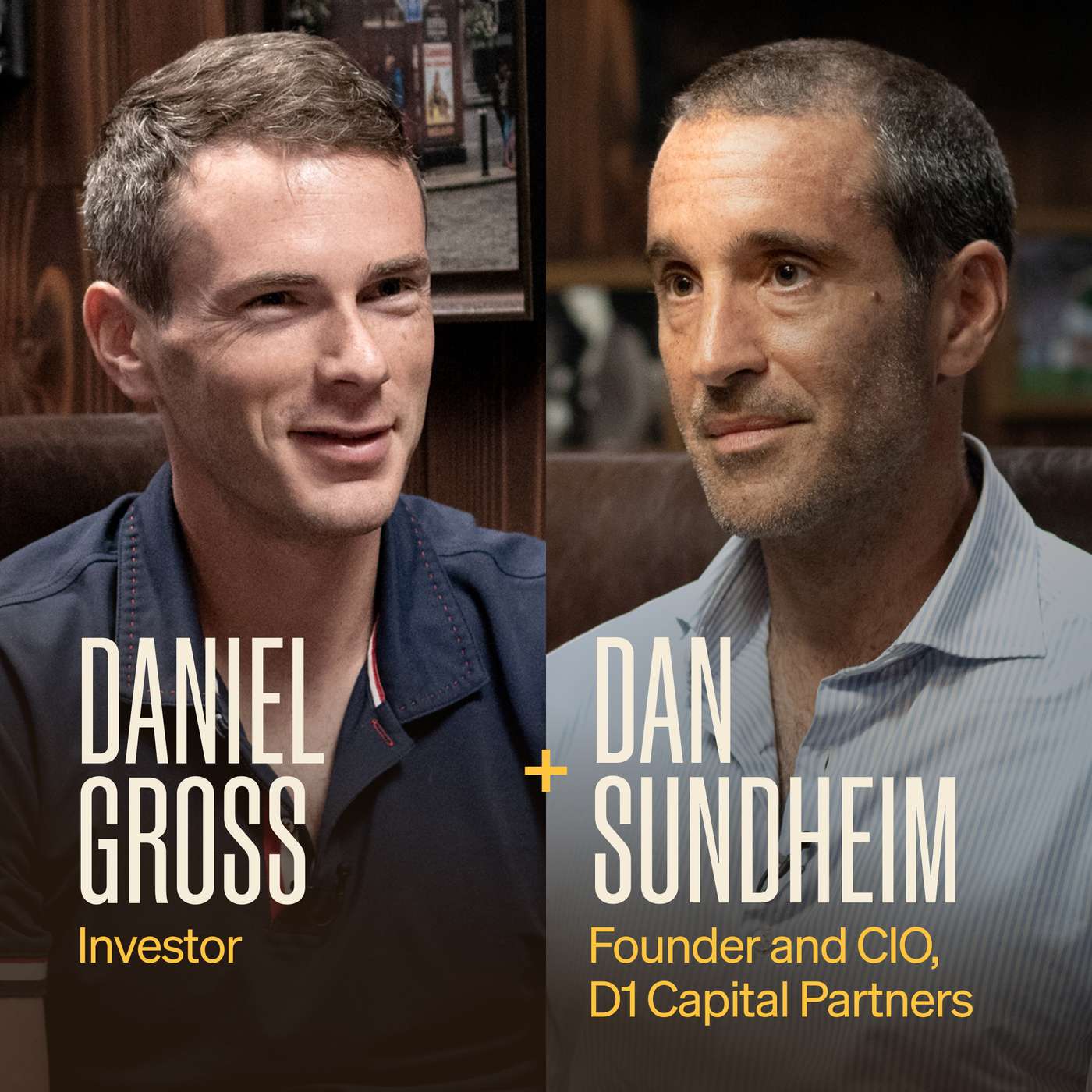
Regardless of diplomatic outcomes, the U.S. and China are heading towards distinct technological spheres. This "two-worlds thesis" suggests a future of separate infrastructure, supply chains, standards, and distribution channels, particularly in advanced sectors like AI and semiconductors, representing a fundamental structural shift.

The creation of a US-controlled joint venture for TikTok mirrors the structure that Western companies historically had to adopt to enter China. This role reversal shows how geopolitical power dynamics are reshaping global tech and business regulations.
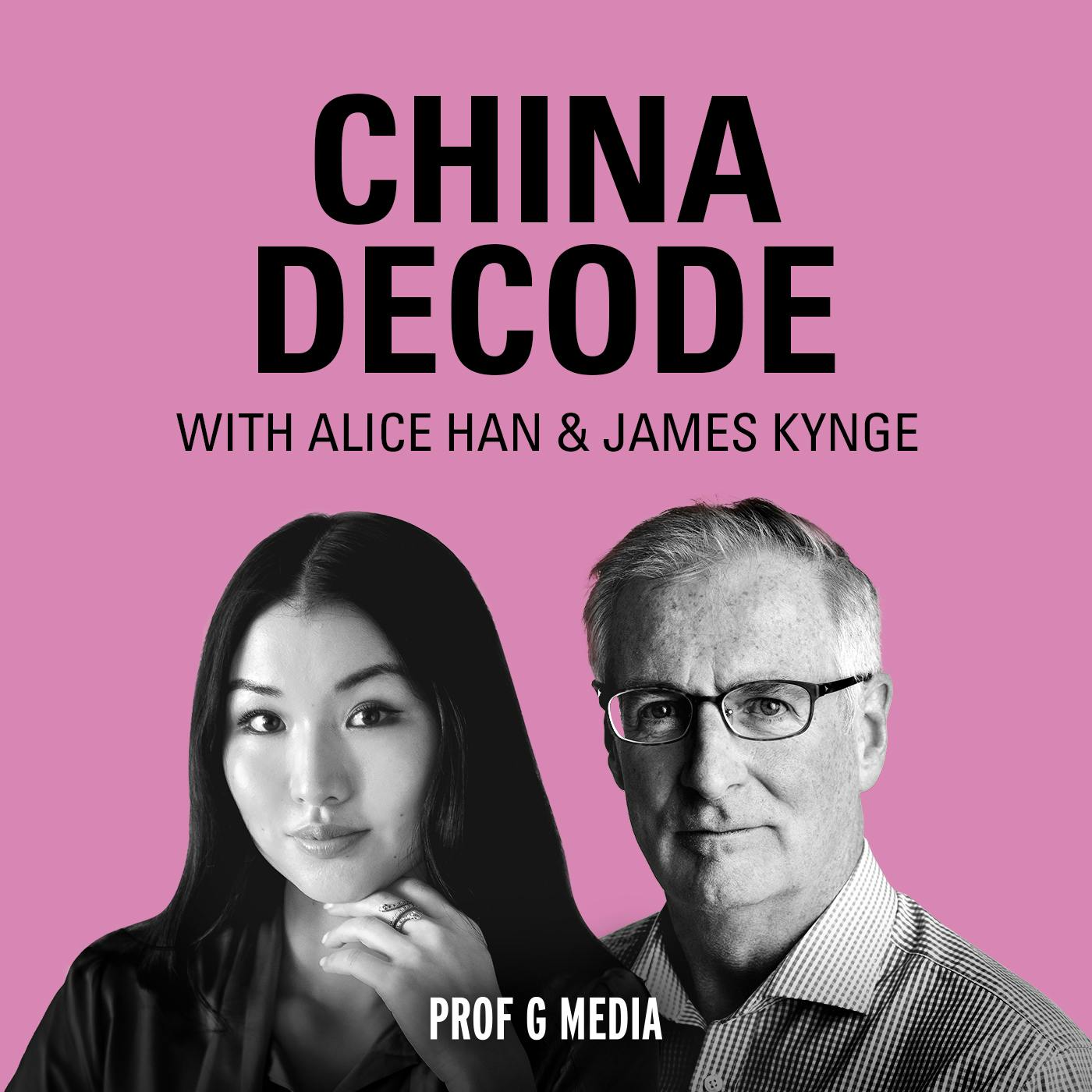
Despite significant geopolitical risks and domestic pressure to decouple, American companies cannot afford to exit the Chinese market. China is where global competitive standards are established and industry winners are decided. Leaving means becoming globally irrelevant and uncompetitive.

The Manus investigation has eliminated the middle ground for Chinese entrepreneurs who could previously raise U.S. capital while building in China. Founders now must commit entirely to either the Chinese ecosystem (exiting to Alibaba) or foreign markets (hiring in Singapore), increasing risk and cost.

Most US LPs have "put pencils down" on China due to geopolitical risk, creating a capital-starved market. For investors willing to do the work, this presents an opportunity with less competition and more reasonable entry valuations for a pool of incredibly hard-working founders.

While the US blocks Chinese investment in key IPOs like SpaceX, China's government is simultaneously cracking down on its own investors to prevent capital from flowing into US tech, creating a mutual separation.

A biotech boom in China, fueled by returning scientists and VC funding, hit a wall when public market access was restricted. This liquidity crunch left many high-quality companies with promising assets undervalued and in need of capital, creating a prime investment window for savvy foreign investors to acquire technology.

Beijing's crackdown on Meta's acquisition of Manus signals a major policy shift. The once-common strategy of Chinese startups using foreign structures (e.g., in Singapore) to attract capital is now over. This forces companies to re-incorporate in China, consolidating state control over a strategically vital industry.
Profitable Chinese giants like ByteDance trade at a fraction of their Western counterparts' multiples. This "China discount" stems not from business fundamentals but from the unpredictable risk of the Communist Party "smiting" successful companies and overarching geopolitical tensions, making them un-investable for many.
![Dan Wang - The US vs China In The 21st Century - [Invest Like the Best, EP.444] thumbnail](https://megaphone.imgix.net/podcasts/e1599a88-a9f6-11f0-b532-e3695bb27d60/image/0f5c07552cef2689e5834d56786ad6f1.jpg?ixlib=rails-4.3.1&max-w=3000&max-h=3000&fit=crop&auto=format,compress)