Get your free personalized podcast brief
We scan new podcasts and send you the top 5 insights daily.
A study showed that when a computer displayed a message about not reaching its potential (a form of disclosure), human participants were prompted to reveal their own struggles back to the machine. This highlights a deep-seated, almost instinctual, human drive for reciprocity.

Related Insights
In disclosure dilemmas, we fixate on the immediate risks of speaking up (e.g., seeming petty). However, the often-ignored risks of staying silent—such as festering resentment and preventing others from truly knowing you—can be far more damaging in the long run.
Our brains evolved a highly sensitive system to detect human-like minds, crucial for social cooperation and survival. This system often produces 'false positives,' causing us to humanize pets or robots. This isn't a bug but a feature, ensuring we never miss an actual human encounter, a trade-off vital to our species' success.

Reid Hoffman argues against calling AI a "friend." Real friendship is a two-way relationship where mutual support enriches both individuals. AI interactions are currently one-directional, making them useful tools or companions, but not true friends. This distinction is crucial for designing healthy human-AI interactions.

Synthetic users, like a stranger at a bar, can provide unfiltered, emotionally rich feedback during simulated interviews. This happens because there's no social barrier or fear of judgment, leading to the discovery of edge cases and deeper motivations that real users might not share with a human interviewer.

Dr. Wallace posits that much of human conversation is 'stateless,' meaning our response is a direct reaction to the most recent input, not the entire discussion history. This cognitive shortcut explains why people repeat themselves in chats and why early chatbots without deep memory could still convincingly mimic human interaction.

Dr. Richard Wallace argues that chatbots' perceived intelligence reflects human predictability, not machine consciousness. Their ability to converse works because most human speech repeats things we've said or heard. If humans were truly original in every utterance, predictive models would fail, showing we are more 'robotic' than we assume.
When a scholar on the job market admitted exhaustion to a peer in an elevator, he responded with professional posturing instead of reciprocating. This "reciprocity fail" shut down the potential for connection and left a lasting negative impression years later, highlighting how crucial mutual self-disclosure is, even in minor interactions.
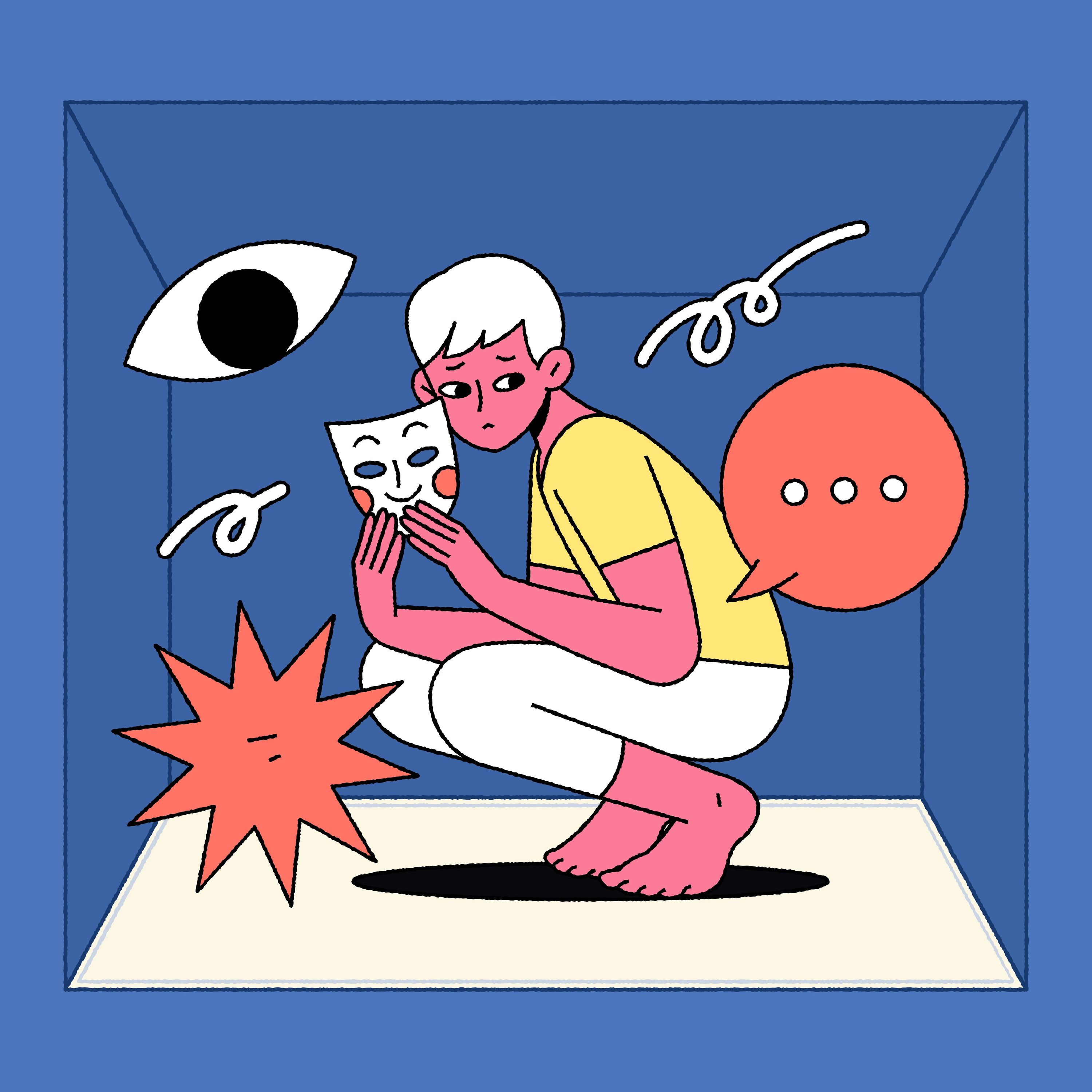
People react negatively, often with anger, when they are surprised by an AI interaction. Informing them beforehand that they will be speaking to an AI fundamentally changes their perception and acceptance, making disclosure a key ethical standard.

Trust isn't built on words. It's revealed through "honest signals"—non-verbal cues and, most importantly, the pattern of reciprocal interaction. Observing how people exchange help and information can predict trust and friendship with high accuracy, as it demonstrates a relationship of mutual give-and-take.
People are forming deep emotional bonds with chatbots, sometimes with tragic results like quitting jobs. This attachment is a societal risk vector. It not only harms individuals but could prevent humanity from shutting down a dangerous AI system due to widespread emotional connection.
