Get your free personalized podcast brief
We scan new podcasts and send you the top 5 insights daily.
To overcome the empty-party problem, social app Pi's "Creator Club" pays influential community organizers up to $3,500 a month to host events on its platform. This strategy directly subsidizes the supply side of their social marketplace, treating event hosts like Uber drivers to rapidly build local network density.

Related Insights
To overcome the cold start problem in a network effects business, especially in a conservative industry like finance, a powerful strategy is to create a coalition or consortium model. By giving early adopters ownership and governance rights, you align incentives, build trust, and transform would-be competitors into enthusiastic evangelists for the new network.

When Royal Air couldn't get invited to local events, their marketing advisor's solution was to sponsor them. By paying a small fee, they created their own "invitation," bypassing gatekeepers and proving that direct financial support is the fastest way to gain visibility and participate in the community.

Punch Up first provided a tool for email collection, offering immediate, low-risk utility to comedians. This attracted creators without an existing audience. The network was built only after this utility was established, proving the 'come for the tools, stay for the network' strategy.

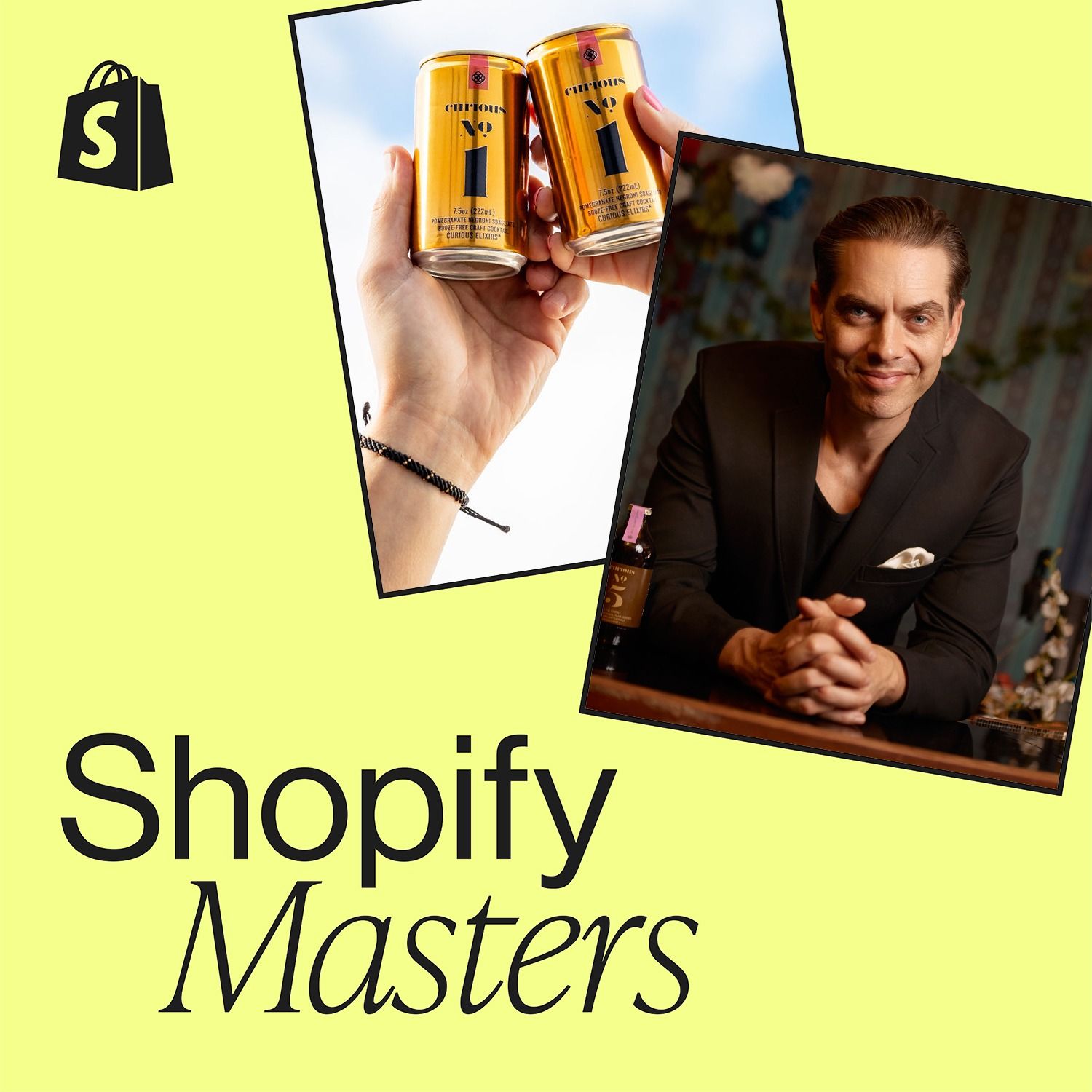
Instead of a single, expensive brand event, Curious Elixirs orchestrates a night where hundreds of customers host their own parties nationwide. The brand simply provides product, letting the community create authentic, diverse, and highly-shareable experiences that scale brand awareness organically.
Platforms like Instagram and TikTok cater to users with existing social circles or creative talent. This leaves a massive, underserved market of lonely people who have neither. A social app that removes all setup friction—no profile, no photos—can win by offering immediate, anonymous connection.

To prevent a community from becoming a sales-driven failure, consider charging for access. This reframes it as a standalone product with its own P&L, forcing genuine investment and protecting it from the short-term pipeline pressure that corrupts its purpose and value.

To maximize the reach of their quarterly "banger" campaigns, User Interviews runs a contest called "PG Palooza." They offer cash prizes to employees who get the most engagement for sharing the content, effectively turning the entire company into a motivated distribution channel.
At their pop-up, the FWFO founders noticed customers were hesitant to be the first in line. By offering free coffee to the first few people, they broke this initial friction, created the appearance of a queue, and leveraged social proof to attract more paying customers.

When One7 Live's app catered only to big spenders ('whales'), it alienated new users, creating an existential threat. The solution wasn't a risky new product but a delicate surgery on the existing economy to incentivize streamers to reward non-spenders, ensuring a healthy user pipeline.

Instead of trying to monetize every user, Polly strategically views casual, free creators as 'pollinators.' These users introduce the app into an organization and distribute it widely. This creates top-of-funnel awareness which eventually puts the product in front of high-value 'flowers' (buyers) who will pay.
