Get your free personalized podcast brief
We scan new podcasts and send you the top 5 insights daily.
A to-do list that actively completes its own tasks is a popular and powerful application being built on Dreamer. This use case, famously requested by Sam Altman, becomes achievable when a primary agent can orchestrate multiple specialized tools and sub-agents to research, automate, and resolve tasks.
Related Insights
The 'Ralph Wiggum loop' concept involves an AI agent grabbing a single task, completing it, shutting down, and then repeating the process. This mirrors how developers pull user stories from a board, making it an effective model for orchestrating agent teams.
A single, context-aware AI assistant with access to various APIs will replace dozens of specialized apps for tasks like fitness tracking, to-do lists, or flight check-ins. Users will interact conversationally with their assistant, rendering most single-purpose apps redundant.

Unlike tools like Zapier where users manually construct logic, advanced AI agent platforms allow users to simply state their goal in natural language. The agent then autonomously determines the steps, writes necessary code, and executes the task, abstracting away the workflow.

The highest immediate ROI from AI agents comes from creating a better user experience for managing personal tasks and information. The most-used agent was a simple, interactive to-do list, suggesting the power of agents as a superior personal UI is more valuable initially than complex system automation.

While complex tasks are the long-term goal, agentic AI like Claude Cowork finds immediate value in simple, one-shot commands like "clean up my desktop." This provides a tangible, low-stakes demonstration of its capabilities for a broad, non-technical user base.
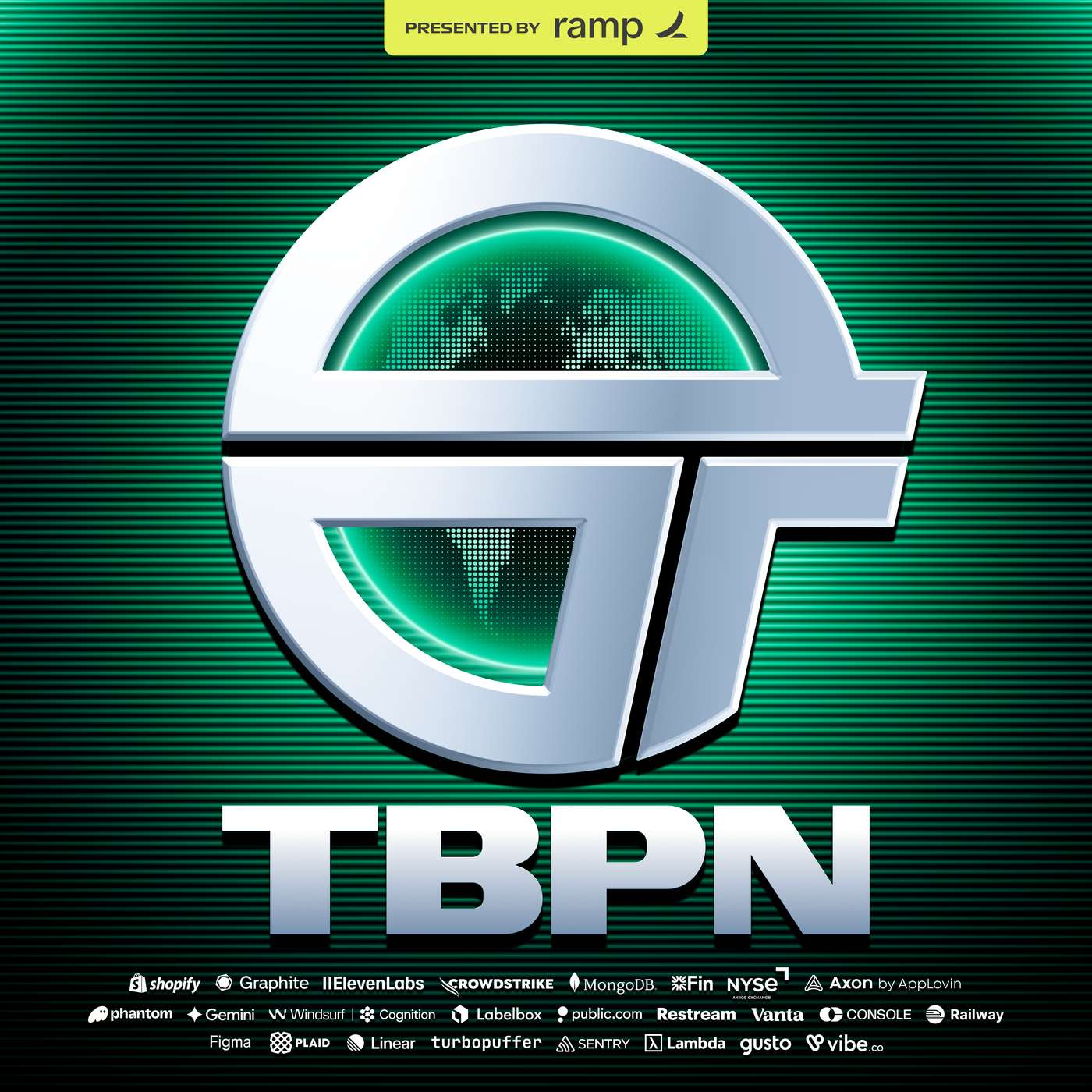
Sam Altman describes his ideal product: a to-do list where adding a task triggers an AI agent to attempt completion. This model—where the AI proactively works, asks for clarification, and integrates with manual effort—represents a profound shift in productivity software.
The 'agents vs. applications' debate is a false dichotomy. Future applications will be sophisticated, orchestrated systems that embed agentic capabilities. They will feature multiple LLMs, deterministic logic, and robust permission models, representing an evolution of software, not a replacement of it.

Contrary to the trend toward multi-agent systems, Tasklet finds that one powerful agent with access to all context and tools is superior for a single user's goals. Splitting tasks among specialized agents is less effective than giving one generalist agent all information, as foundation models are already experts at everything.

An executive created a custom AI agent to handle repetitive tasks like meeting prep, calendar triage, and email. This "chief of staff" provides analysis, suggests delegations, and even offers blunt feedback, demonstrating how AI can be personalized to augment executive functions.

A free trial for an AI agent hosting service revealed an unexpected user behavior: spinning up powerful AI agents for specific, time-bound tasks (like a coding project or planning a trip) and then letting them self-destruct. This concept of temporary agents opens up new possibilities beyond persistent personal assistants.
