Get your free personalized podcast brief
We scan new podcasts and send you the top 5 insights daily.
OpenAI's culture empowers every employee to act as a founder within their domain, fostering high ownership and speed with minimal top-down direction. This is a subtle but powerful departure from the typical founder-led model.

Related Insights
Z.AI's culture mandates that technical leaders, including the founder, remain hands-on practitioners. The AI field evolves too quickly for a delegated, hands-off management style to be effective. Leaders must personally run experiments and engage with research to make sound, timely decisions.
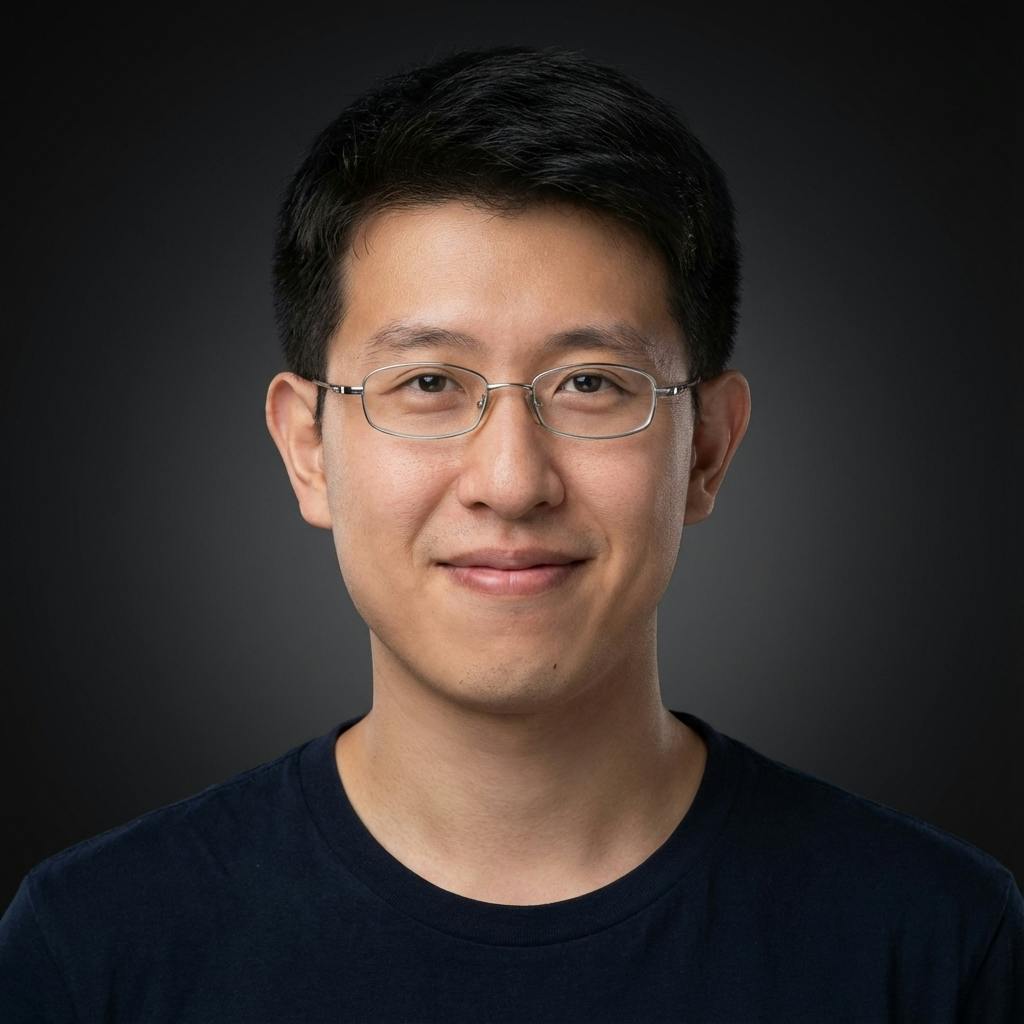
Companies like Palantir produce a disproportionate number of successful founders. Its culture, which forces every employee to act as a 'mini CEO' by building, launching, and finding product-market fit for their products, serves as a powerful entrepreneurial training ground.

Base fosters a "chop wood, carry water" culture where leaders are still individual contributors. The founding team set this tone by writing the first code and installing the first batteries themselves. This ensures a hands-on, problem-solving mindset permeates the company as it scales.

Managerial companies derive legitimacy from "the plan," creating enormous inertia against change. In founder-led companies, legitimacy is vested in the founder as an individual. This is their key structural advantage, allowing the entire organization to pivot on a dime based on conviction.
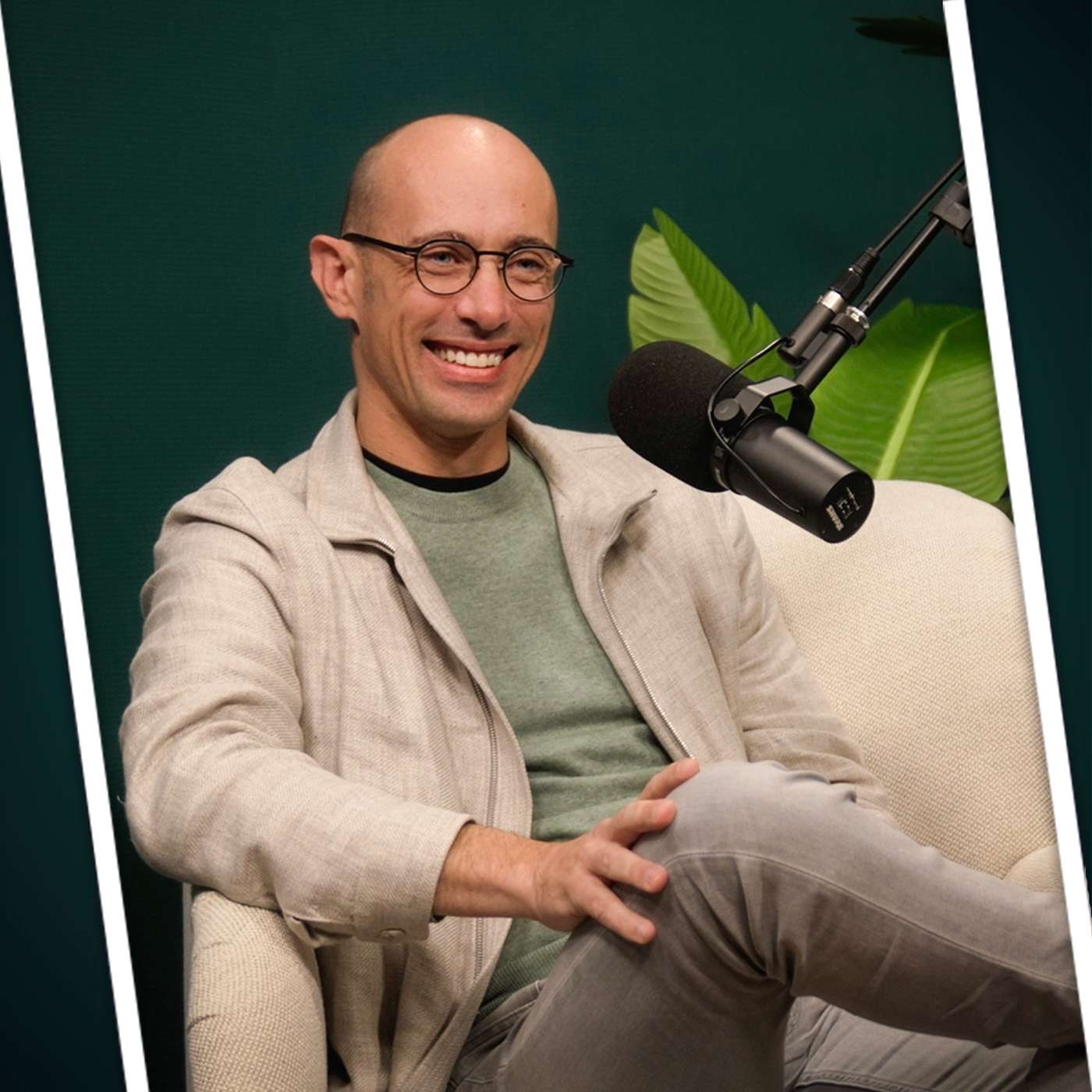
Koch's management philosophy aims to invert the traditional top-down model. Instead of relying on a few smart leaders to set strategy, it empowers every employee with a set of principles. This leverages the collective knowledge of the entire organization, creating a culture of autonomous contribution without direct orders.
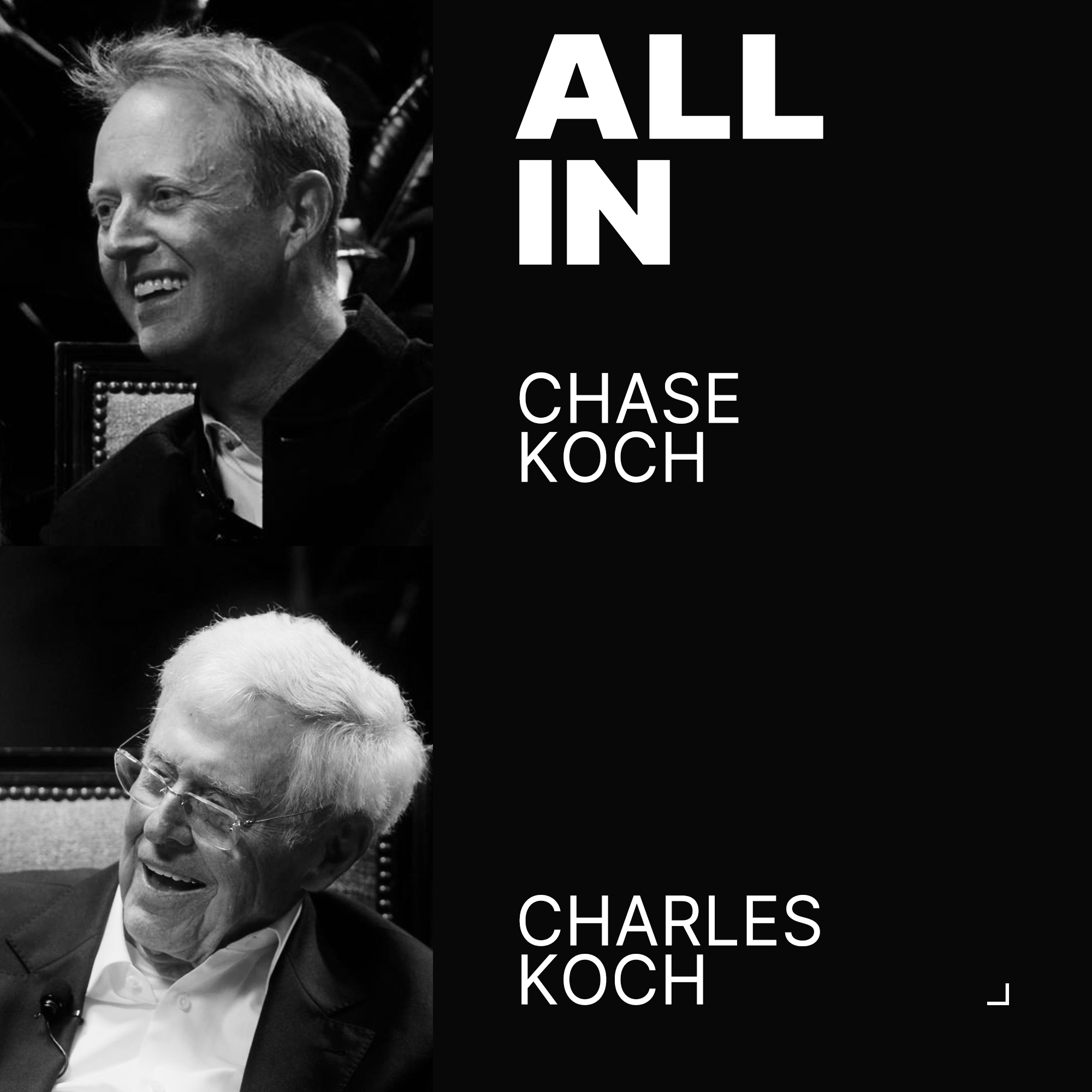
In a rapidly changing environment like an AI startup, raw competence is insufficient. The most valuable trait is "extreme ownership"—the proactive drive to see a problem through from start to finish, regardless of formal roles or responsibilities.

OpenAI operates with a "truly bottoms-up" structure because it's impossible to create rigid long-term plans when model capabilities are advancing unpredictably. They aim fuzzily at a 1-year+ horizon but rely on empirical, rapid experimentation for short-term product development, embracing the uncertainty.
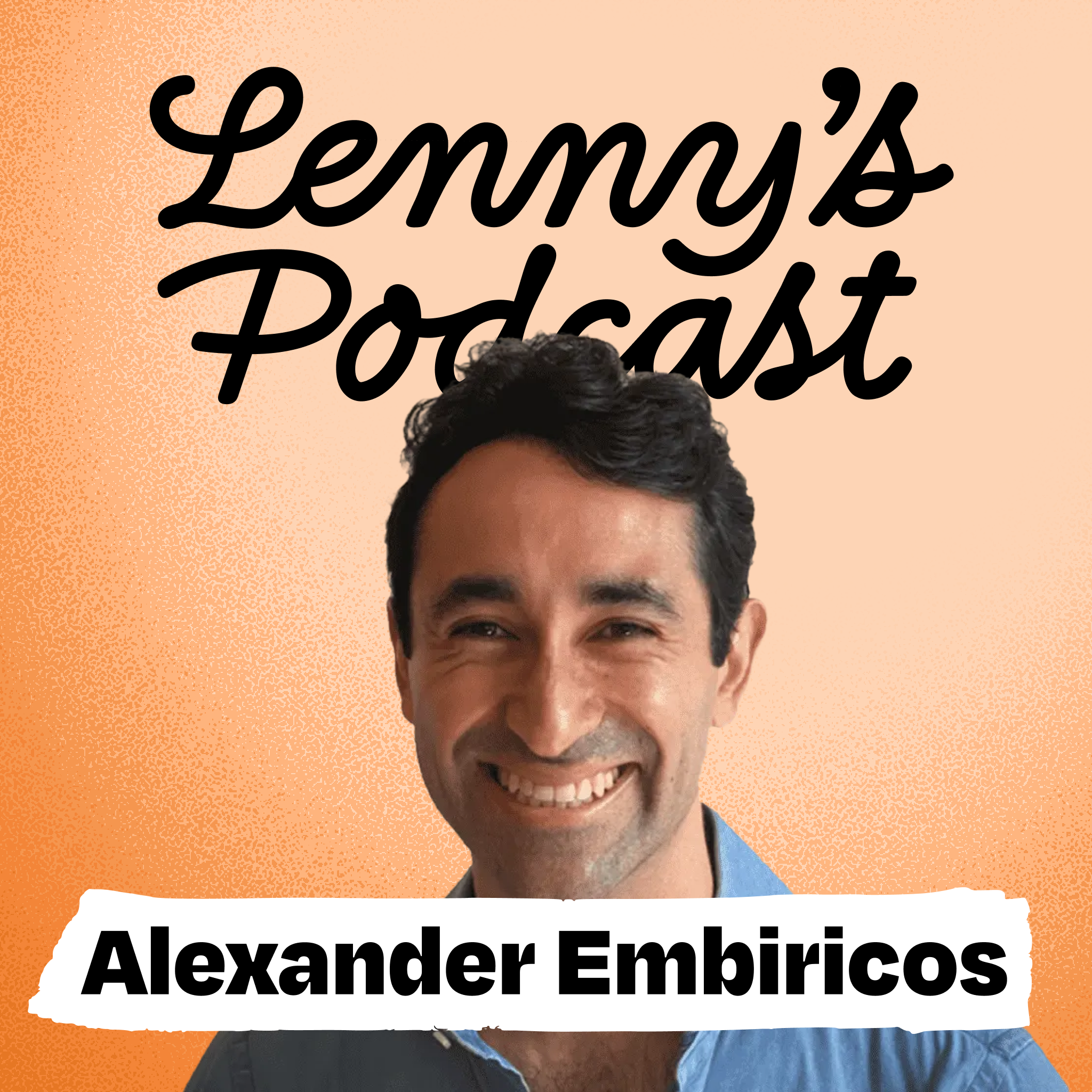
At Crisp.ai, the core value is that the best argument always wins, regardless of who it comes from—a new junior employee or the company founder. This approach flattens hierarchy and ensures that the best ideas, which often originate from those closest to the product and customers (engineers, PMs), are prioritized.
As OpenAI scales, CEO Sam Altman is increasingly focused on big-picture strategy, IPO, and research. This has enabled President Greg Brockman, an "engineering workhorse," to take over day-to-day operational leadership, creating a clear division between vision and execution.

Zhao structures Notion to be like a jazz band, where talented individuals can improvise and shine, rather than a rigid marching band with a top-down structure. This model is better suited for the experimental, fast-changing nature of the AI era.