Get your free personalized podcast brief
We scan new podcasts and send you the top 5 insights daily.
Pritzker says he starts by asking which decisions only he can make, then forces debate before choosing. He describes himself as 90% sure he's right but 10% likely to be dead wrong, so he hires people stronger than him in areas he doesn't know. He wants input first.

Related Insights
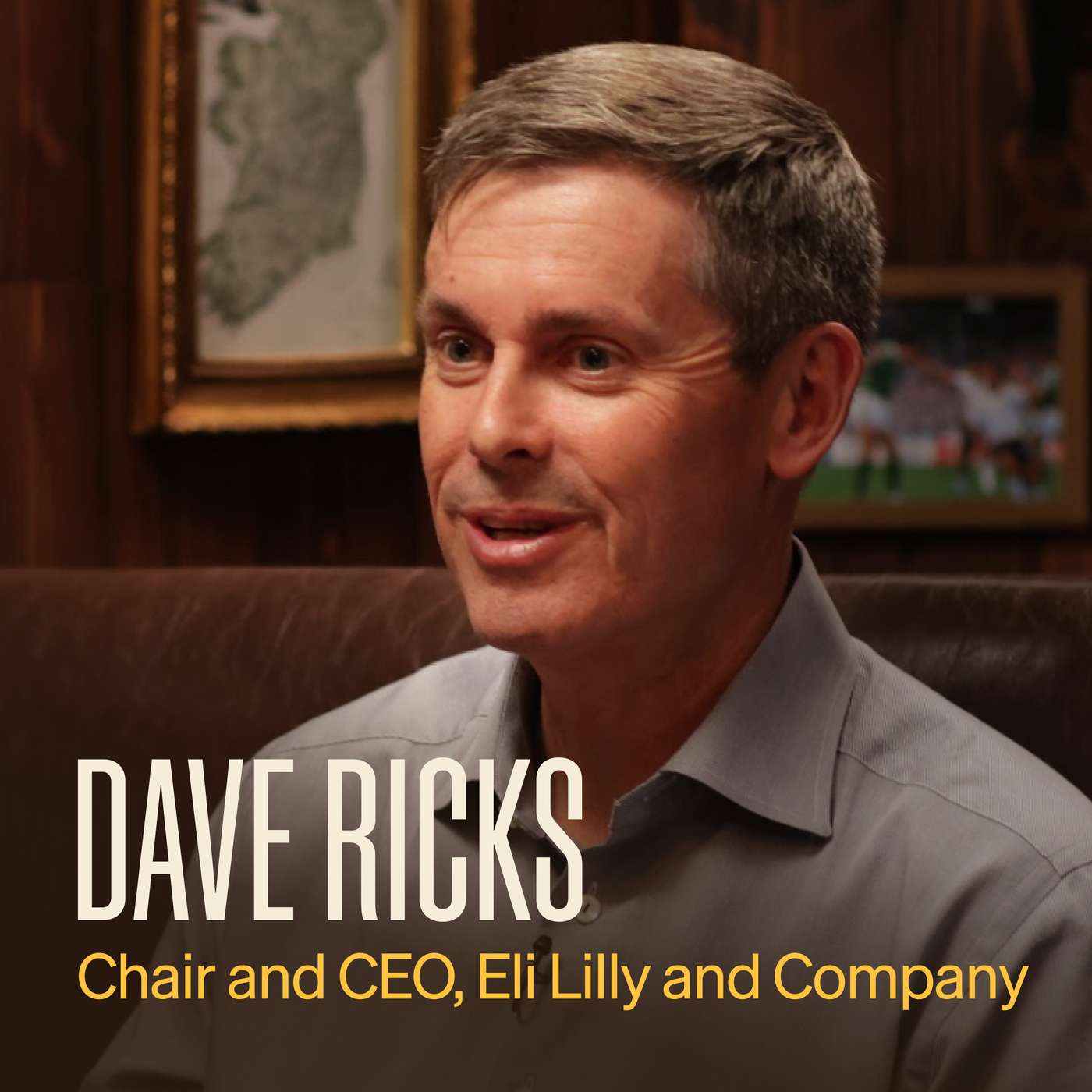
For its handful of major annual decisions, Eli Lilly's leadership team has a rule to never make a final call in the initial meeting. This process intentionally builds in time for reflection, debate, and persuasion.
Making decisions with incomplete information isn't just about speed; it's about accelerating the learning loop. As seen with Zero's CEO, being occasionally wrong but quick to iterate provides a greater long-term advantage than slow, deliberate correctness, turning decision velocity into a core asset.

The best leaders act on incomplete information, understanding that 100% certainty is a myth that only exists in hindsight. The inability to decide amid ambiguity—choosing inaction—is a greater failure than making the wrong call.

Pritzker says his AI cabinet pairs technical experts with agency leaders and includes emergency management and state police. The goal is to discuss privacy, safety and efficiency together, rather than chasing efficiency alone before the state understands AI's dangers. He deliberately avoids plunging headlong and says experts come from universities.
Effective decision-making requires moving beyond your own perspective. The key is to triangulate with several smart people who will argue with you and each other. This process ensures you see all sides of an issue before committing to a path.

For high-stakes decisions like hiring, Livestorm's CEO uses a simple heuristic from his mentor: "When there is a doubt, there is no doubt." This means that if you have any significant hesitation about a candidate, the answer should be no. This framework forces a default to certainty, preventing costly mistakes that arise from ambiguous feelings.

Taking a strong stance on a strategic question, even if it's not perfectly correct, is a powerful way to accelerate progress. It provides clear direction, allowing a team to skip endless deliberation and move decisively, avoiding the paralysis that comes from trying to keep all options open.

Infinimmune's hiring process prioritizes 'judgment under uncertainty' by actively screening for people who are comfortable admitting the limits of their expertise. Wyatt McDonnell believes a team member who is confidently wrong is far more destructive to a high-stakes project than one who can honestly identify their knowledge gaps.
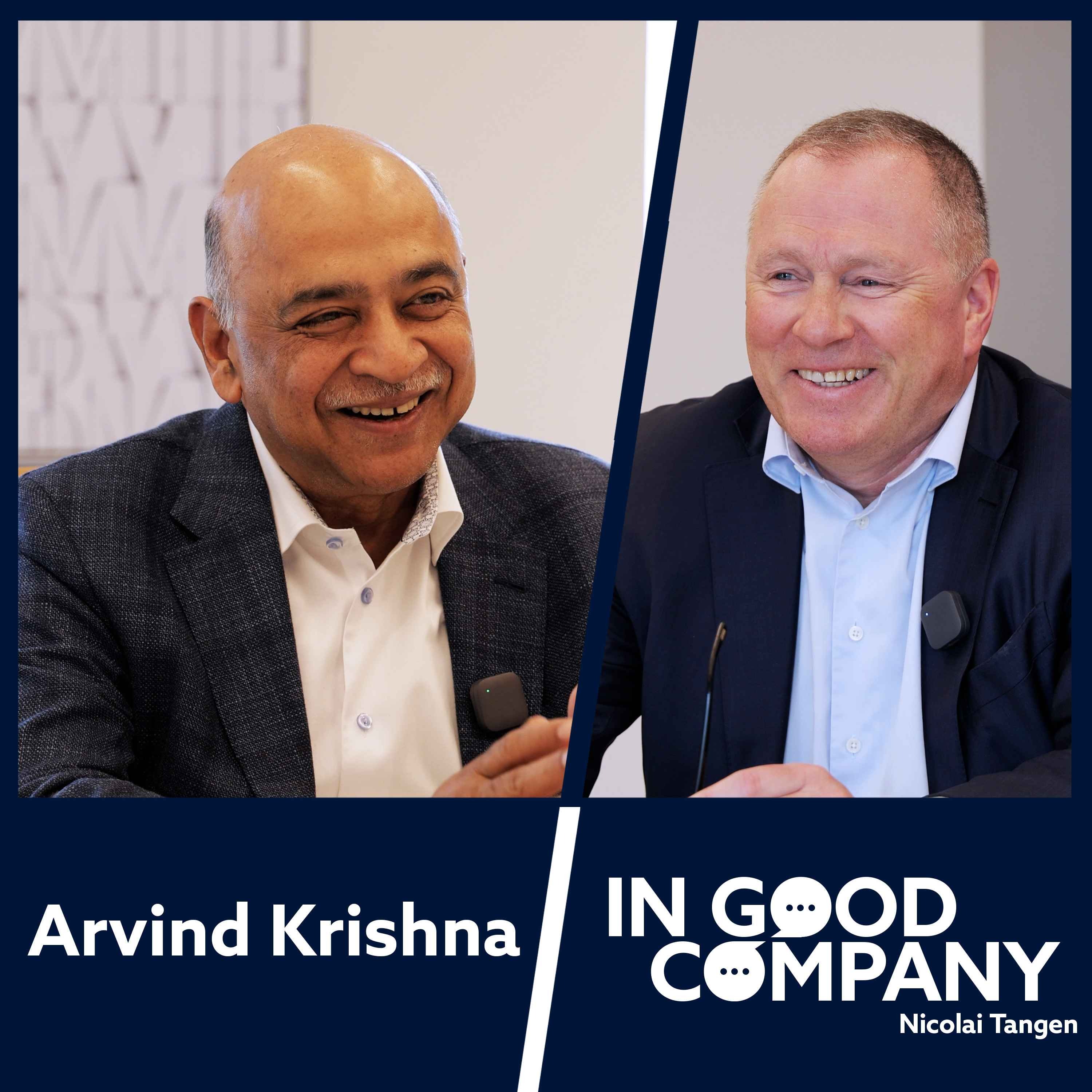
To combat a risk-averse culture bred by years of decline, Arvind Krishna encourages teams to present plans with only 50% confidence. This gives them permission to be ambitious. He then builds management buffers to accommodate the inherent uncertainty, unlocking higher productivity.
Even in a data-heavy industry, seeking 100% certainty leads to analysis paralysis. The CEO advocates making decisions with 80% of the required information, as the final 20% often provides diminishing returns while slowing momentum. The key is to act and then course-correct.
