Get your free personalized podcast brief
We scan new podcasts and send you the top 5 insights daily.
Dealing with the frustration of missed opportunities is a critical part of investing. While it's important not to let losses or missed gains destroy you, attempting to become a completely unemotional 'robot' can be counterproductive. The process of thinking through these frustrations is what leads to deeper learning and better future performance.

Related Insights
Top investors experience an "asymmetry of emotion." The pleasure of significant gains is muted—a feeling of satisfaction rather than euphoria. However, the pain of losing capital, particularly during irrational market events, is disproportionately intense, driven by the responsibility of managing other people's money.
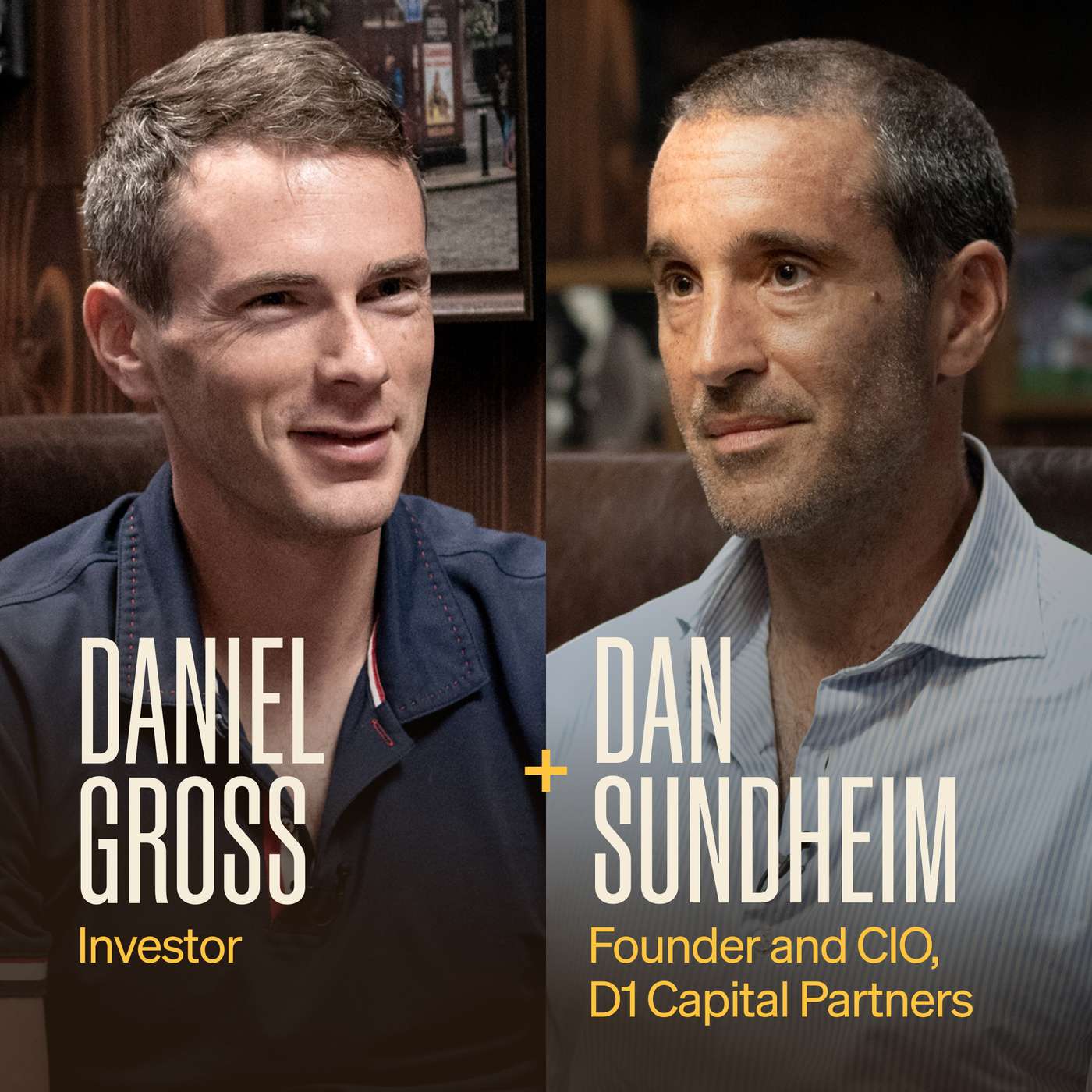
Smaller initial positions can generate better returns because investors are less emotionally attached. This distance allows the investment thesis the time it needs to mature without being derailed by over-analysis of every minor news event or price fluctuation.

The best moments to buy are created by widespread fear and bad news, making you instinctively not want to. A great investor isn't someone who is unafraid during these times; they are someone who acts rationally despite the overwhelming emotional pressure to sell or stay on the sidelines.

Post-mortems of bad investments reveal the cause is never a calculation error but always a psychological bias or emotional trap. Sequoia catalogs ~40 of these, including failing to separate the emotional 'thrill of the chase' from the clinical, objective assessment required for sound decision-making.

Anyone can perform well on a great day. The key to long-term excellence is "raising the floor"—minimizing losses and making progress even on off days. Preventing a bad day from spiraling into a bad week is crucial.

Investors who lose money in a sector develop an emotional aversion, causing them to irrationally pass on the next great company in that space. This 'learning from mistakes' becomes a liability, prioritizing avoiding small losses (commission) over capturing huge wins (omission).

Successful investing requires strong conviction. However, investors must avoid becoming so emotionally attached to their thesis or a company that they ignore or misinterpret clear negative signals. The key is to remain objective and data-driven, even when you believe strongly in an investment.
To avoid emotional decision-making, especially with losing positions, write down the specific criteria for any investment. Then, backtest those rules against historical data. This replaces emotional struggle with a systematic, data-driven process.

We focus on how to win, but failure is inevitable. How you react to loss determines long-term success. Losing money triggers irrational behavior—chasing losses or getting emotional—that derails any sound strategy. Mastering the emotional response to downswings is the real key.
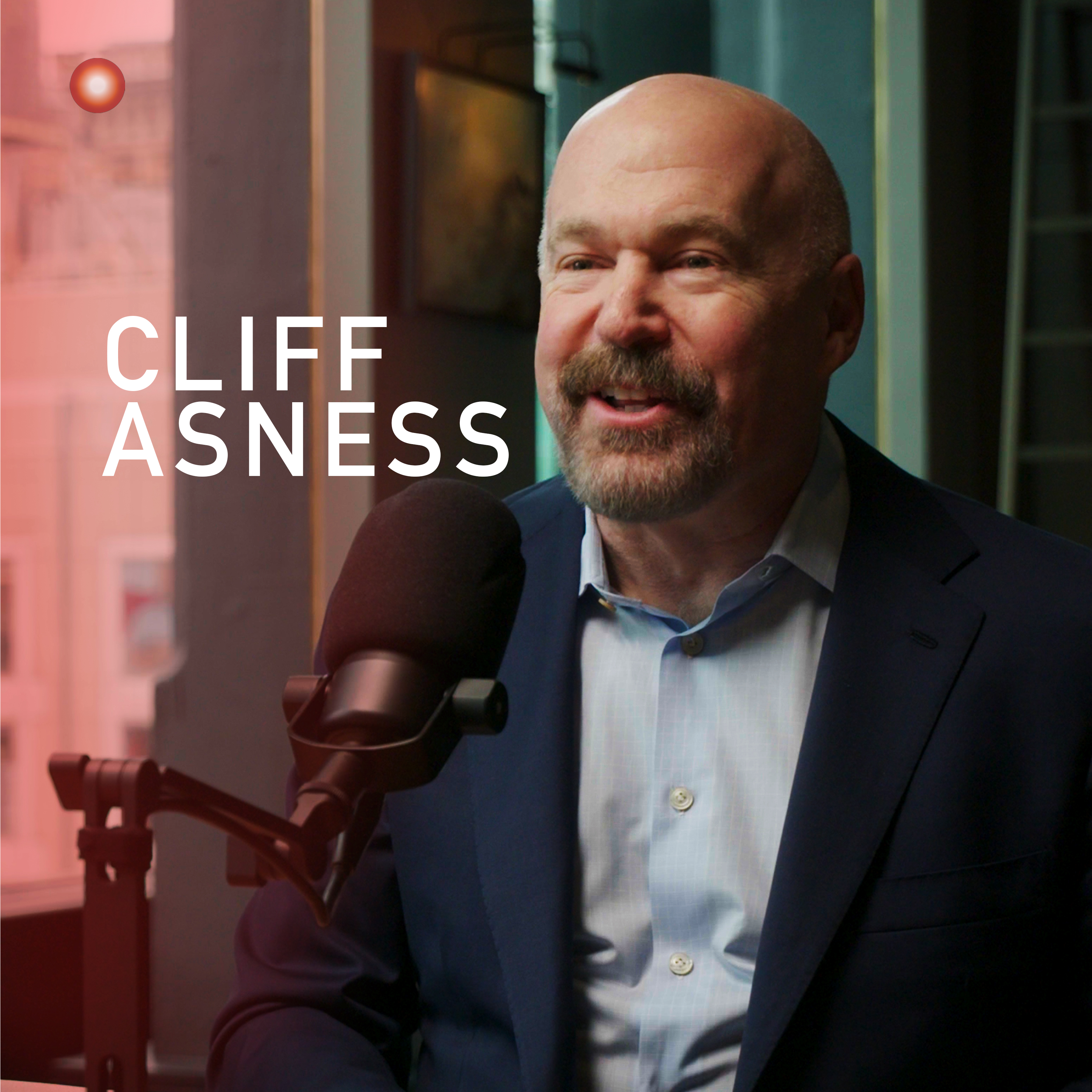
Despite rational strategies, top quant Cliff Asness confesses to feeling the emotional sting of losses far more intensely than the pleasure of gains, a classic example of prospect theory in action. This human element persists even at the highest levels of quantitative finance.