Get your free personalized podcast brief
We scan new podcasts and send you the top 5 insights daily.
To fill labor shortages, Japan brings in foreign workers under non-immigrant labels like 'student' or 'trainee.' This refusal to create a formal immigration policy creates a political vacuum, allowing populist groups to frame the influx of workers as a 'silent invasion.'

Related Insights
Beyond its long-term growth benefits, rational immigration policy can be a powerful short-term tool against inflation. By addressing labor shortages in critical sectors like construction, agriculture, and elder care, an increased and targeted immigrant workforce can directly reduce cost pressures on essential goods and services.

While one-third of construction workers are non-native born, restrictive immigration policy's impact is currently muted by a cyclical decline in building. This temporary relief masks a structural labor shortage that will become a major constraint as the market recovers in 2026-2027.
Resistance to mass immigration is often mislabeled as racism when it's a defense of cultural uniqueness. The core fear is that blending all cultures creates a bland 'beige' monolith, ultimately allowing the most aggressive and cohesive incoming culture to dominate.

America intentionally avoided solving illegal immigration because it serves a crucial economic purpose: providing a flexible, cheap labor force that doesn't draw on social safety nets. This benefits industries and consumers while placing little burden on the state.

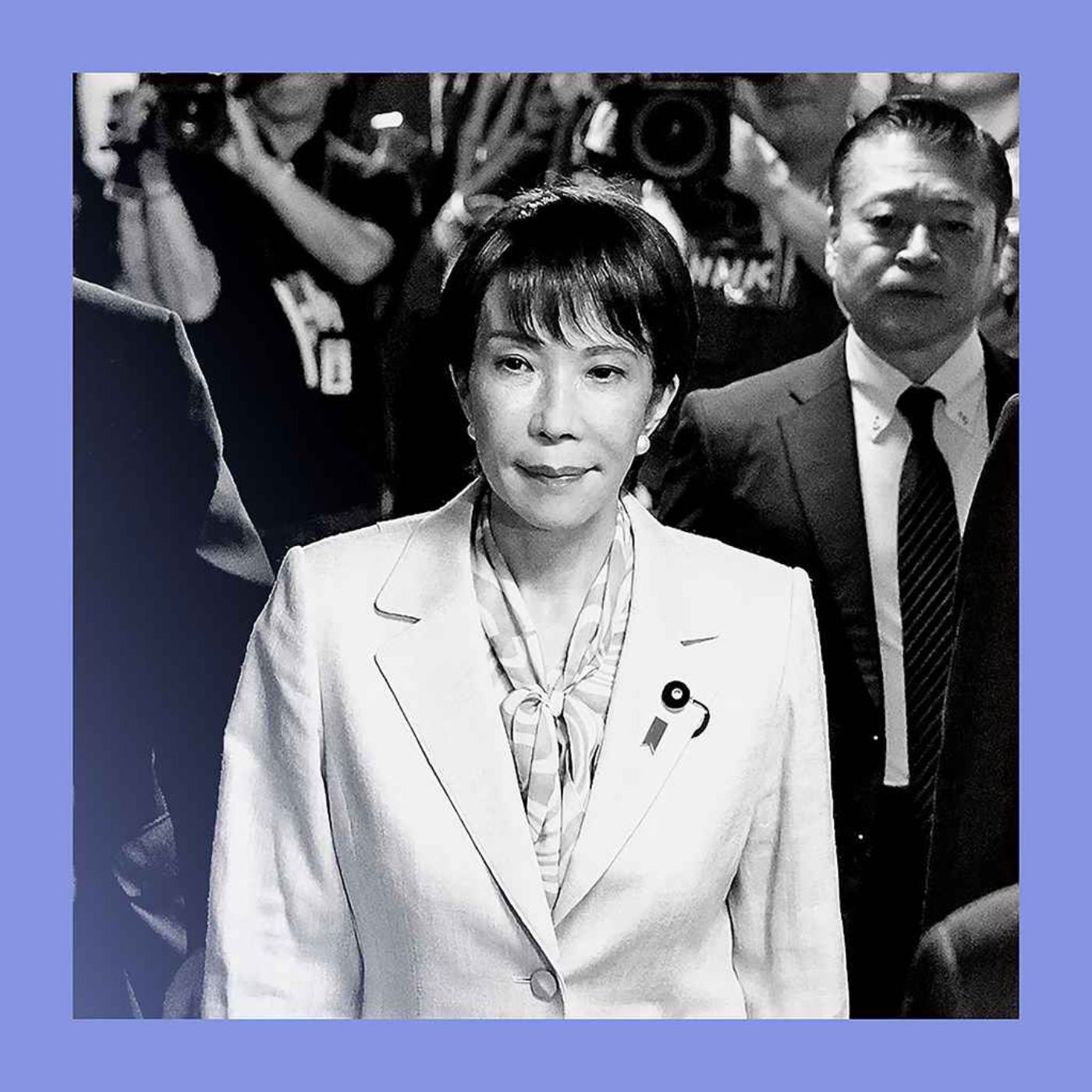
Japan's ruling LDP selected Takaichi Sanae, a leader with a brash, populist aesthetic, not to upend the system but to co-opt populist appeal. This strategy aims to fend off genuine anti-establishment challengers and re-establish the party's grip on power, demonstrating a novel approach to maintaining the status quo.
In a counter-intuitive argument, the UK's Home Secretary, herself the daughter of immigrants, posits that restricting immigration is necessary to protect social harmony. The theory is that a perceived lack of control fuels public panic and racism, so tightening controls will calm tensions and ultimately shore up multiculturalism.

Framing immigration solely as a moral imperative leads to impractical policies by ignoring crucial factors like resource allocation, cultural integration, and public consent. A pragmatic approach balances humanitarianism with national interest, preventing unsustainable outcomes and social friction.

In a true market economy, labor shortages are impossible; wages would simply rise to attract workers. The argument that a country needs low-skilled immigrants to fill jobs is often a way to artificially suppress wages for the domestic working class, preventing market forces from correcting the balance.
Facing a severe population decline, Japan is making a conscious cultural and economic choice to invest in robotics to fill labor gaps rather than opening its doors to mass immigration. This strategy prioritizes maintaining cultural homogeneity over traditional demographic solutions.

Britain is modeling its new asylum system on Denmark's, even though Denmark is far less successful at integrating immigrants into its society and workforce. This strategic shift risks importing Denmark's integration failures in an attempt to deter new arrivals and address political pressures from populist parties.