Get your free personalized podcast brief
We scan new podcasts and send you the top 5 insights daily.
Allowing politicians to opt out of debates shields them from scrutiny. Mandating participation in diverse, challenging formats—including long-form and hostile questioning—would serve as a filter, elevating candidates with intellectual rigor and forcing them to defend their ideas under pressure.

Related Insights
Our default method for promotion—open competition—is flawed because it disproportionately attracts and rewards individuals who most desire power, not necessarily those best suited for leadership. The Founding Fathers understood this, preferring reluctant leaders. Alternative models, like deliberation by a select body, can produce more competent and less self-interested leaders.

Political arguments often stall because people use loaded terms like 'critical race theory' with entirely different meanings. Before debating, ask the other person to define the term. This simple step often reveals that the core disagreement is based on a misunderstanding, not a fundamental clash of values.

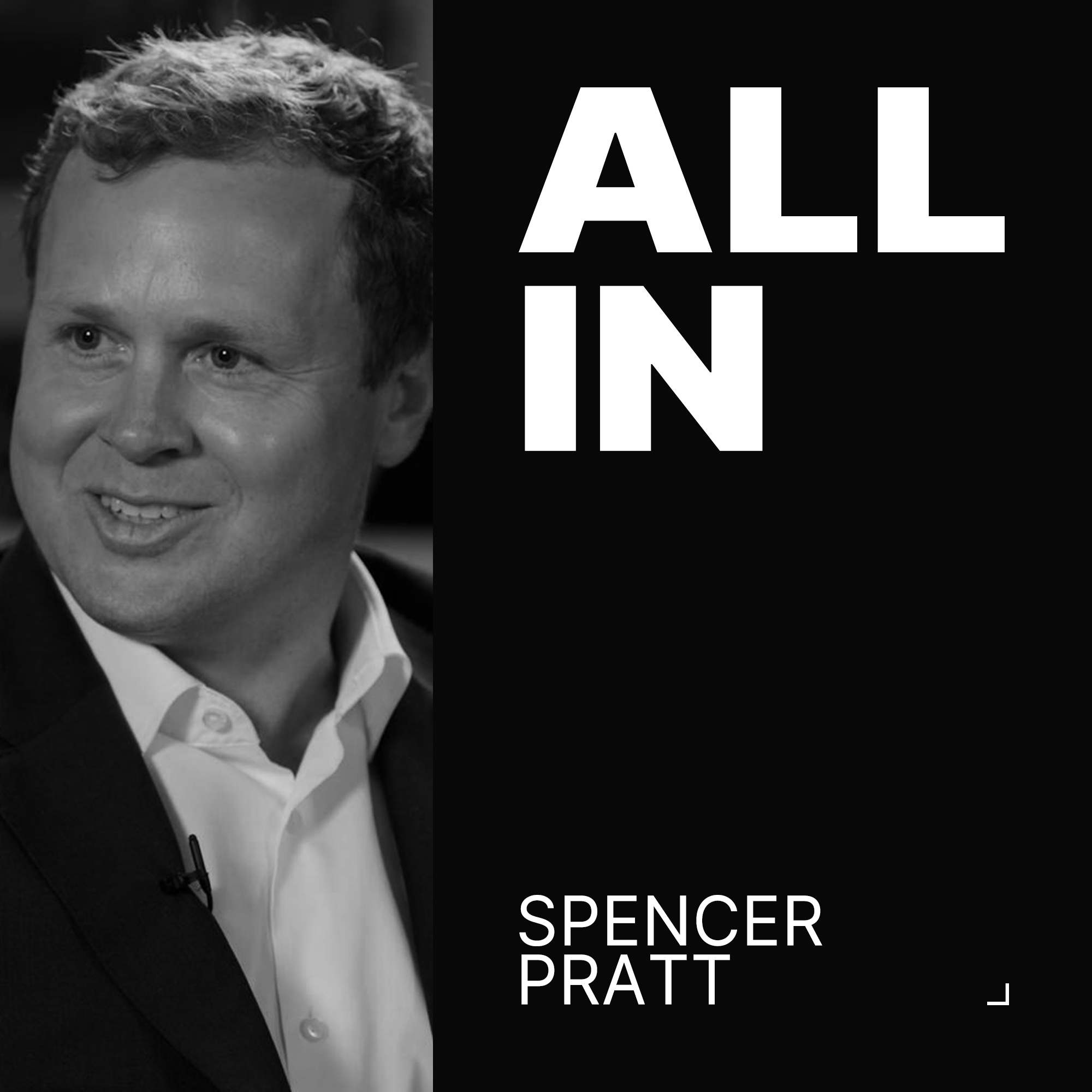
Spencer Pratt's debate readiness came not from traditional prep, but from months of adversarial media interviews where he was forced to be "bulletproof" with facts. This constant, real-world opposition proved more effective than simulated debate camps for a challenger.
A savvy political strategy involves forcing opponents to publicly address the most extreme statements from their ideological allies. This creates an impossible purity test. No answer is good enough for the fringe, and any attempt to placate them alienates the mainstream, effectively creating a schism that benefits the opposing party.

The "illusion of explanatory depth" shows people overestimate their understanding. Asking someone to detail how a policy like "cap and trade" works forces them to confront their ignorance, which often leads to more humility and less extreme political positions.

America's governing system was intentionally designed for messy debate among multiple factions. This constant disagreement is not a flaw but a feature that prevents any single group from gaining absolute power. This principle applies to organizations: fostering dissent and requiring compromise leads to more resilient and balanced outcomes.

To ensure rigorous vetting of ideas, create an environment of friendly competition between teams. This structure naturally motivates each group to find flaws in the other's thinking, a process that might be socially awkward in a purely collaborative setting. The result is a more robust, error-checked outcome.

Productive debate avoids insults and instead focuses on identifying the other person's base assumptions. Their actions likely seem logical from their perspective. By challenging their foundational beliefs, you can expose flawed logic more effectively than through ad hominem attacks.

Unlike traditional media's short, confrontational interviews, long-form podcasts allow public figures to have extended, nuanced conversations (e.g., three hours on Joe Rogan). This reveals a more human side and can significantly shift public perception.

The best political outcomes emerge when an opposing party acts as a 'red team,' rigorously challenging policy ideas. When one side abandons substantive policy debate, the entire system's ability to solve complex problems degrades because ideas are no longer pressure-tested against honest opposition.
