Get your free personalized podcast brief
We scan new podcasts and send you the top 5 insights daily.
HP's Digital Services platform advises clients to optimize their hardware fleet, even if it means buying fewer HP machines. This counterintuitive strategy prioritizes customer ROI and long-term trust over short-term hardware sales, positioning HP as a device-agnostic partner focused on employee experience.

Related Insights
Companies like Apple and Salesforce create loyalty by building an integrated ecosystem. By selling multiple interconnected services, they make switching to a competitor a significant hassle. This strategy locks in customers, increases their tolerance for minor issues, and ensures long-term revenue streams by creating high switching costs.

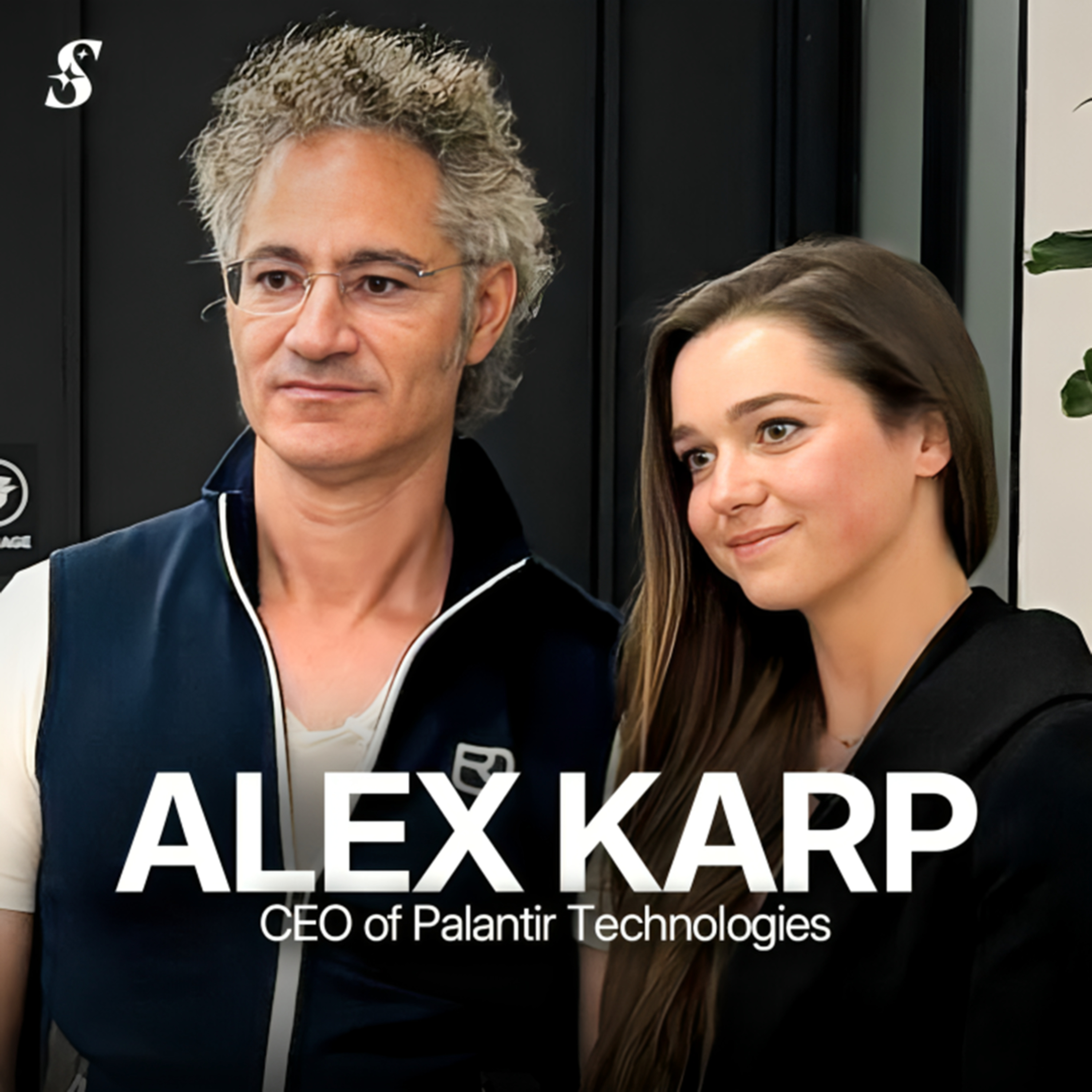
Unlike typical software companies that build addictive products or simply fulfill requests, Palantir's approach is to anticipate and build what its partners *ought* to want in the future. This radical, value-driven strategy builds deep trust and creates an indispensable long-term position with the client.
Lenovo strategically partners with Pax8, a software marketplace, attending their events not to sell hardware, but to engage with the MSP community where they are already active. This demonstrates an ecosystem-first approach focused on sharing best practices and building relationships beyond direct sales.

Seeing Machines' 'systems approach' (like Apple) justifies a higher software price than competitors. By co-designing software and hardware, they reduce the cost of the overall system (e.g., enabling a cheaper camera), making the total package cost-competitive or even cheaper for the customer.

Instead of immediately pitching your product, act as a consultant and help clients maximize value from their existing tools. This selfless approach builds deep trust, positioning you as a true partner and ensuring they come to you for future purchases.

In the AI era, large enterprises still prefer vendors who act as partners, offering on-site training and change management support. This "old-school" approach builds trust and ensures successful adoption, often trumping a purely tech-driven or product-led growth (PLG) motion.

Instead of chasing a larger Total Addressable Market (TAM), Sensei's exclusive focus on the Microsoft ecosystem signals long-term commitment. This assures channel partners like MSPs that Sensei won't pivot, simplifying the partnership and building trust because the strategy is predictable and stable.
To gain market credibility, HP "dogfooded" its workforce management software on its own 80,000-device IT environment. Only after proving tangible results internally—like a 40% reduction in support tickets—did they take the product to market. This internal success became their most powerful sales tool for skeptical CIOs.
Don't just sell a product; become an indispensable part of your customer's workflow. By offering integrated products and services, you create a value ecosystem that locks out competitors and makes leaving an impractical and undesirable option.
An analyst suggests Oracle's strategy of letting customers bring their own hardware is a 'band-aid solution.' It is likely a short-term measure to limit capital fundraising needs rather than a sustainable, customer-centric model, evidenced by the fact that leading hyperscalers do not widely adopt this practice.
