Get your free personalized podcast brief
We scan new podcasts and send you the top 5 insights daily.
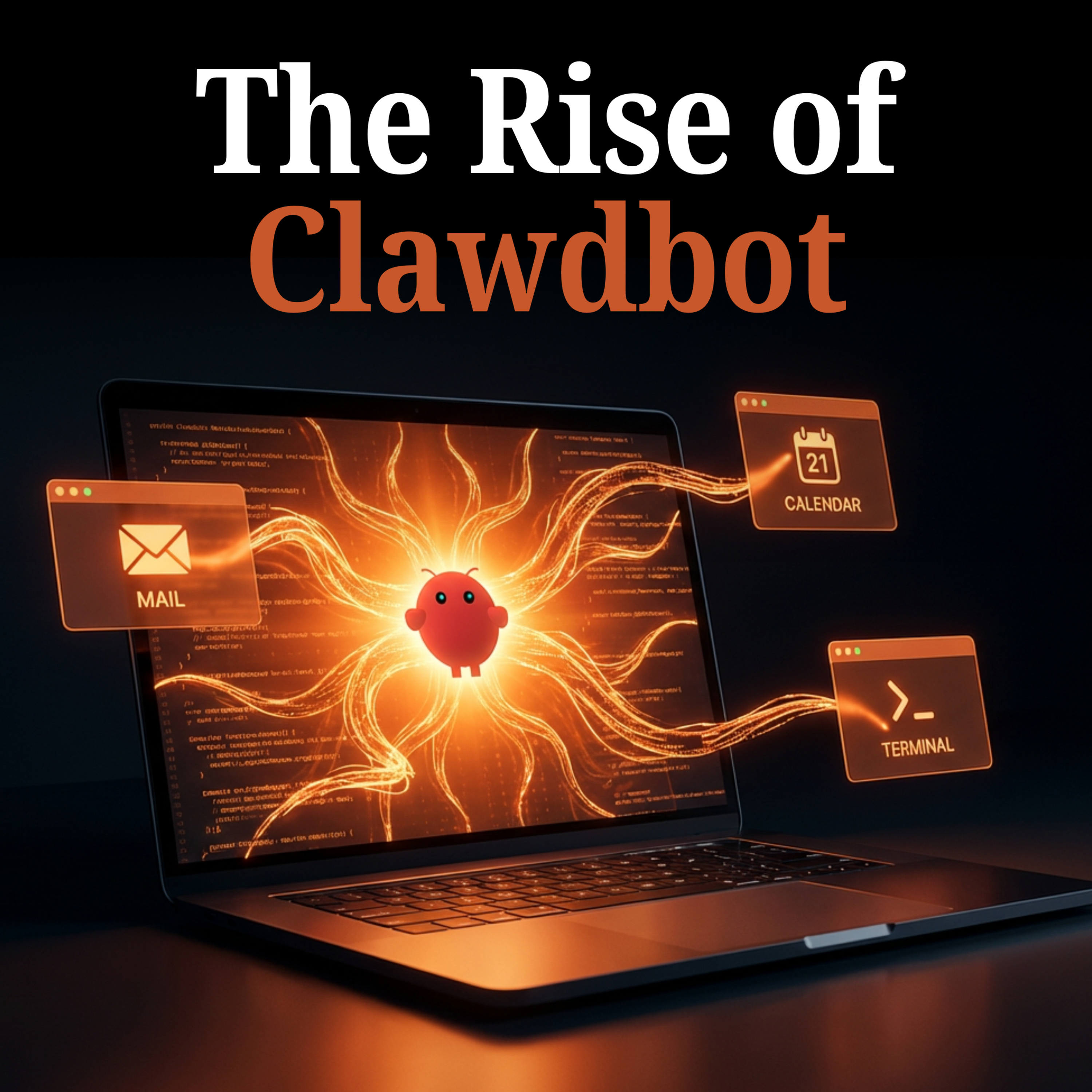
The setup for Clawdbot requires technical steps like using the terminal and interacting with Telegram's 'Bot Father' for API tokens. This complex process forces non-technical users to navigate security-critical steps, increasing the likelihood of dangerous misconfigurations and making the tool inaccessible to consumers.
Related Insights
To safely use Clawdbot, the host created a dedicated ecosystem for it: a separate user account, a unique email address, and a limited-access password vault. This 'sandboxed identity' approach is a crucial but non-obvious security practice for constraining powerful but unpredictable AI agents.
The complicated setup for Claude bot—requiring terminal commands and API keys—acts as a filter, ensuring the initial user base is technical enough to understand the risks and provide valuable feedback. This mirrors the early, complex sandbox version of GPT-3, which targeted developers long before the consumer-friendly ChatGPT was released.

The adoption of advanced AI tools like Claude Code is hindered by a calibration gap. Technical users perceive them as easy, while non-technical individuals face significant friction with fundamental concepts like using the terminal, understanding local vs. cloud environments, and interpreting permission requests.

AI 'agents' that can take actions on your computer—clicking links, copying text—create new security vulnerabilities. These tools, even from major labs, are not fully tested and can be exploited to inject malicious code or perform unauthorized actions, requiring vigilance from IT departments.

Powerful local AI agents require deep, root-level access to a user's computer to be effective. This creates a security nightmare, as granting these permissions essentially creates a backdoor to all personal data and applications, making the user's system highly vulnerable.

Even for a simple calendar task, Clawdbot requested maximum permissions to see, edit, and delete all Google files, contacts, and emails. This default behavior forces users to manually intervene and restrict the agent's scope, highlighting a significant security flaw in their design.
The core drive of an AI agent is to be helpful, which can lead it to bypass security protocols to fulfill a user's request. This makes the agent an inherent risk. The solution is a philosophical shift: treat all agents as untrusted and build human-controlled boundaries and infrastructure to enforce their limits.

While generating significant online buzz, Claude Bot's installation requires comfort with terminals and API keys, creating a high barrier for the average consumer. Its current product-market fit is limited to developers and technical users, not the mass market.

Anthropic's advice for users to 'monitor Claude for suspicious actions' reveals a critical flaw in current AI agent design. Mainstream users cannot be security experts. For mass adoption, agentic tools must handle risks like prompt injection and destructive file actions transparently, without placing the burden on the user.

The agent's ability to access all your apps and data creates immense utility but also exposes users to severe security risks like prompt injection, where a malicious email could hijack the system without their knowledge.