Get your free personalized podcast brief
We scan new podcasts and send you the top 5 insights daily.
According to Amplitude's CEO, the traditional moat of having established software is gone because AI enables rapid replication. The only remaining defensible advantage for SaaS companies is the speed at which they can integrate bleeding-edge AI capabilities, making continuous, rapid innovation paramount.

Related Insights
With AI commoditizing technology, the sustainable advantage for startups is the speed and discipline of their experimentation. Founders who leverage AI to operate 10x faster will outcompete those with static tech advantages, as execution velocity is far harder to replicate than a feature.

As AI models democratize access to information and analysis, traditional data advantages will disappear. The only durable competitive advantage will be an organization's ability to learn and adapt. The speed of the "breakthrough -> implementation -> behavior change" loop will separate winners from losers.

With AI commoditizing the tech stack, traditional technical moats are disappearing. The only sustainable differentiator at the application layer is having a unique insight into a problem and assembling a team that can out-iterate everyone else. Your long-term defensibility becomes customer love built through relentless execution.
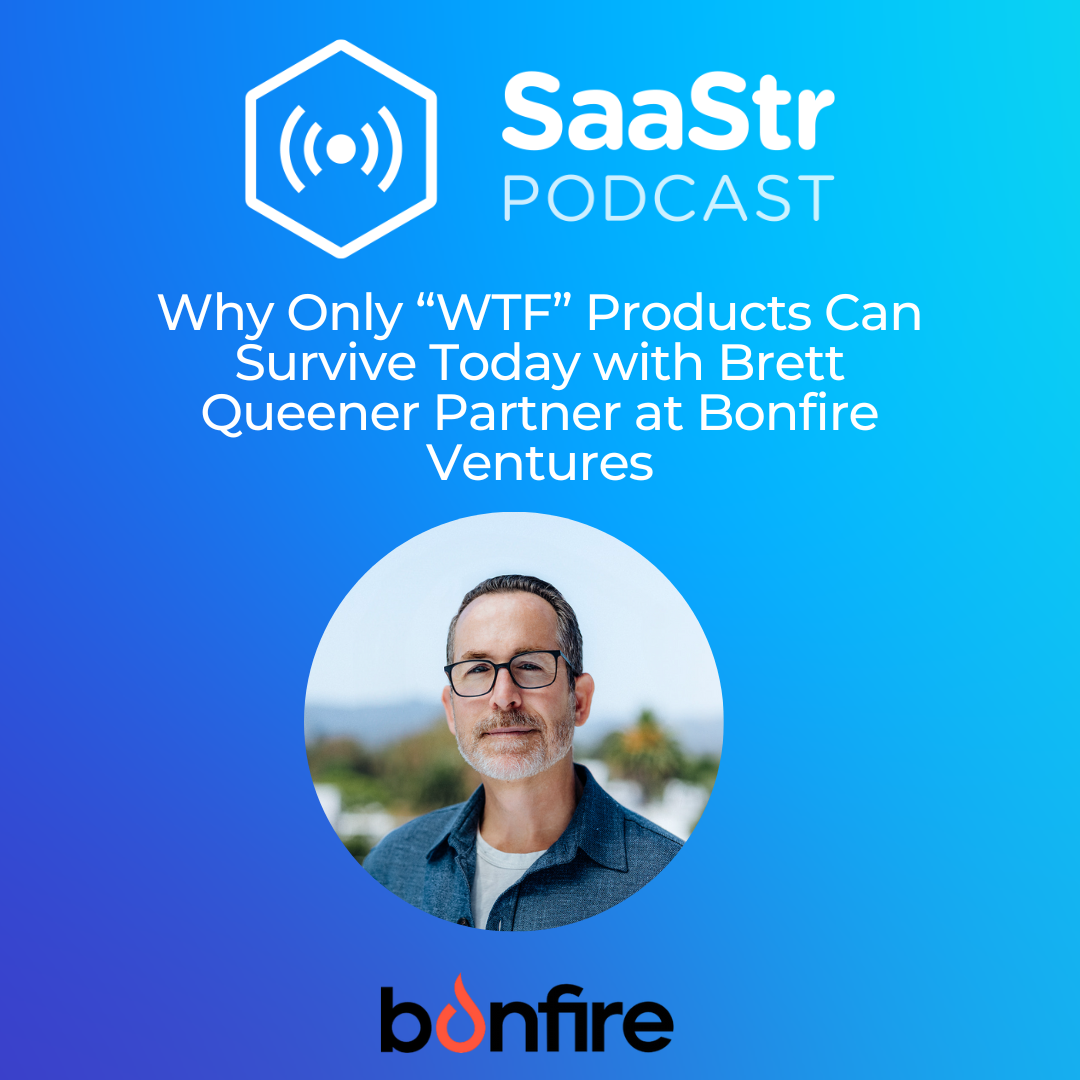
The historical advantage of being first to market has evaporated. It once took years for large companies to clone a successful startup, but AI development tools now enable clones to be built in weeks. This accelerates commoditization, meaning a company's competitive edge is now measured in months, not years, demanding a much faster pace of innovation.
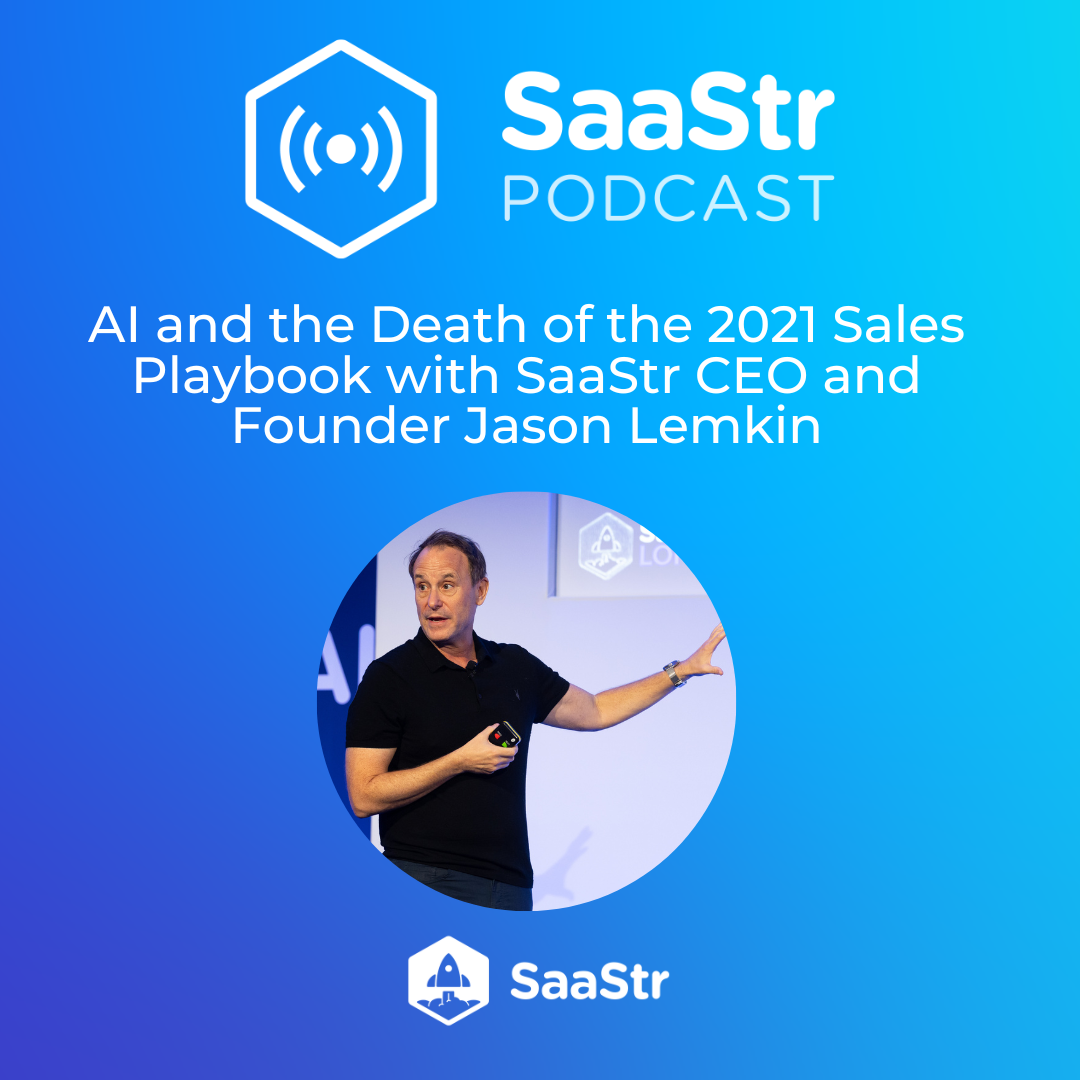
In the fast-evolving AI space, traditional moats are less relevant. The new defensibility comes from momentum—a combination of rapid product shipment velocity and effective distribution. Teams that can build and distribute faster than competitors will win, as the underlying technology layer is constantly shifting.

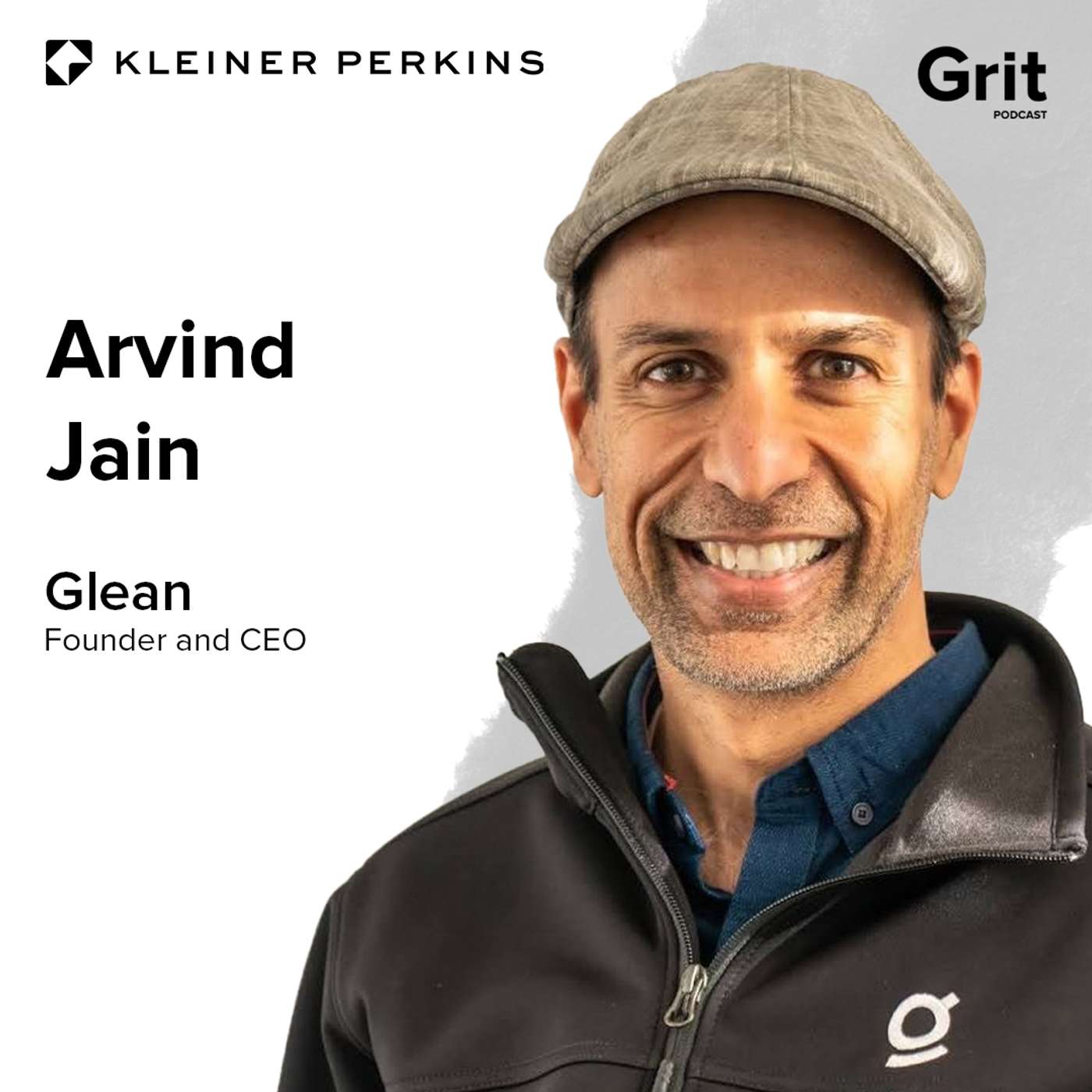
With AI models evolving rapidly, last year's tech is likely obsolete. CEO Arvind Jain argues a fixed "moat" prevents adaptation. The real moats are organizational agility—the speed at which you can replace old code—and deep customer partnerships where you co-create value.
The long-held belief that a complex codebase provides a durable competitive advantage is becoming obsolete due to AI. As software becomes easier to replicate, defensibility shifts away from the technology itself and back toward classic business moats like network effects, brand reputation, and deep industry integration.

With traditional moats gone, the only way to stay ahead is to move faster. Defensibility now comes from the speed at which a team can ship new value and deeply understand its customers, ensuring the product is always one step ahead of a crowded field.

In the SaaS era, a 2-year head start created a defensible product moat. In the AI era, new entrants can leverage the latest foundation models to instantly create a product on par with, or better than, an incumbent's, erasing any first-mover advantage.
Echoing a sentiment from Elon Musk, Masad states that in the current AI landscape, traditional moats are less effective. The primary and perhaps only sustainable competitive advantage is the ability to maintain a relentless pace of innovation and continuous, rapid progress.
