Get your free personalized podcast brief
We scan new podcasts and send you the top 5 insights daily.
Instead of listing vague topics like "team discussion," structure each agenda item with a verb and a noun (e.g., "Decide Q4 budget," "Align on launch strategy"). This simple framing forces clarity on the desired outcome for each item and helps determine if it even requires a synchronous meeting.
Related Insights
To maximize the value of bringing teams together physically, focus on one of three goals. "Doing" involves collaborative work on a key project. "Learning" focuses on gaining business context. "Planning" aligns the team on strategy and roadmaps. This framework ensures gatherings are purposeful and effective.
Typical marketing meetings devolve into a list of completed tasks and vanity metrics. A "Momentum Meeting" is fundamentally different: it’s structured around scorecards and goals. The focus shifts from "what did we do?" to "did we move the needle, and if not, why?" This fosters accountability and strategic problem-solving.

Before scheduling, ensure a meeting's purpose is to Decide, Debate, Discuss, or Develop (4Ds). Then, confirm the topic is either Complex, Emotionally intense, or a One-way door decision (CEO). This rigorous filter eliminates status updates and other low-value synchronous gatherings from calendars.
Before attending a meeting, ask two questions: 1) "What specific decision or alignment will this create?" and 2) "What happens if we don't have this meeting?" If you can't provide clear, impactful answers, the meeting is a waste of time and should be canceled or handled asynchronously.

Instead of open-ended agenda items like "let's do intros," propose specific time frames, such as "Let me give you 90 seconds on me, you can give me 90 seconds on you." This small framing tactic establishes you as a professional who respects time, prevents conversations from meandering, and maintains control of the meeting's flow.

The first step to better meetings is asking "should we have this meeting at all?" By eliminating purely informational meetings, you prevent the formation of norms like disengagement and silence. This makes it more likely that when a collaborative meeting is necessary, team members will actively participate.
Adopt the private equity board meeting model: circulate a detailed brief a week in advance. This forces attendees to consume updates asynchronously. The meeting itself can then be dedicated entirely to debating critical, forward-looking decisions instead of wasting time on status reports.

Instead of using meetings for context-setting, Loom’s team sends a required 'pre-watch' video walkthrough of the strategy. This forces stakeholders to arrive with full context, allowing the live meeting to be shorter and entirely focused on critique, asking clarifying questions, and making decisions.

Framing a meeting around "alignment" invites defensiveness and departmental finger-pointing. Calling it a "Go-to-Market Meeting" re-centers the conversation on shared business problems like pipeline and retention, fostering collaborative problem-solving instead of blame.

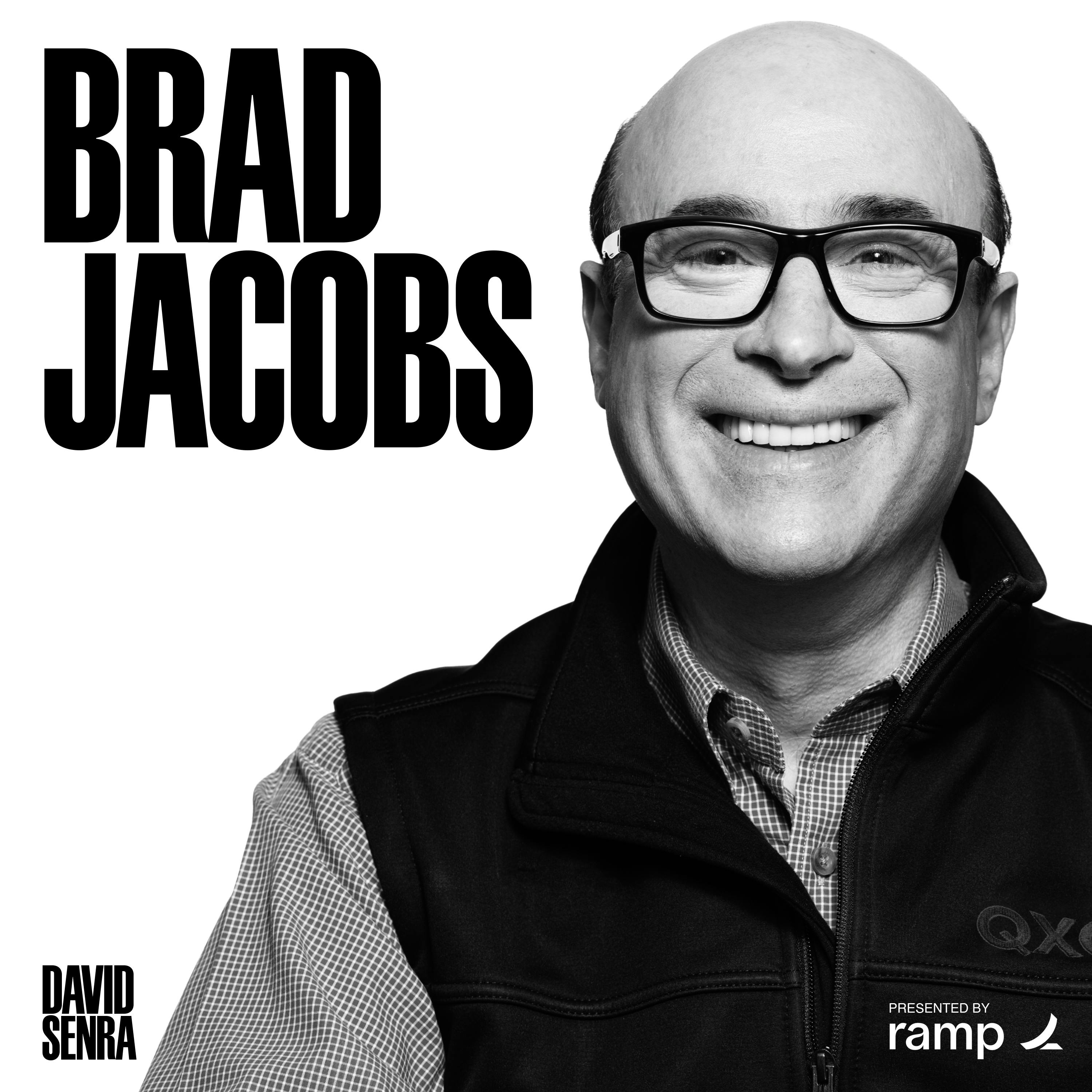
Instead of a top-down agenda, Brad Jacobs has his leadership team collaboratively create it for key meetings. Attendees submit and rank questions based on pre-read materials. Only the highest-rated topics make the final agenda. This bottom-up approach ensures the meeting focuses on what the team collectively deems most critical.