Get your free personalized podcast brief
We scan new podcasts and send you the top 5 insights daily.
Kyle says founders can design how they treat people, brand messaging, fundraising, and bootstrapping instead of following someone else's playbook. He works backward from a company he is proud of, where people want to work and use the product, not from a trillion-dollar outcome.
Related Insights
Fundraising isn't just about presenting a solid business plan. Investors are backing the founder's personal commitment and resilience. A compelling, authentic story about *why* you are building this company is the most critical element for securing investment in a high-risk venture.

Brian Chesky's industrial design background taught him that unlike architecture, a product is only successful if it sells. This forces a focus on commercial viability, marketing, and manufacturing from day one—a mindset essential for founders who must build viable businesses, not just win awards.

The act of raising capital is not an achievement in itself; it's merely acquiring a tool. The real accomplishment is using that capital to build a durable, lasting business. Shift your focus from celebrating funding rounds to celebrating the creation of a sustainable enterprise.
A founder's ability to clearly articulate their vision and needs is not a 'nice-to-have.' It is the fundamental operational tool they use to raise capital, attract talent, and align their team and board. A brilliant founder who cannot communicate effectively will struggle at these critical functions.

Instead of searching for a market to serve, founders should solve a problem they personally experience. This "bottom-up" approach guarantees product-market fit for at least one person—the founder—providing a solid foundation to build upon and avoiding the common failure of abstract, top-down market analysis.
The ideal company culture balances two opposing forces: the 'artisan' (creativity, innovation, imagination) and the 'operator' (predictability, efficiency, financial controls). Founder Eric Ryan strives to build teams that excel at both, creating a durable business that can innovate at scale, citing Apple and Nike as examples.

To hire a founding designer, founders need a clear theory on how design will help the company beat its competition. This strategic framing is far more compelling than simply stating that design is important.
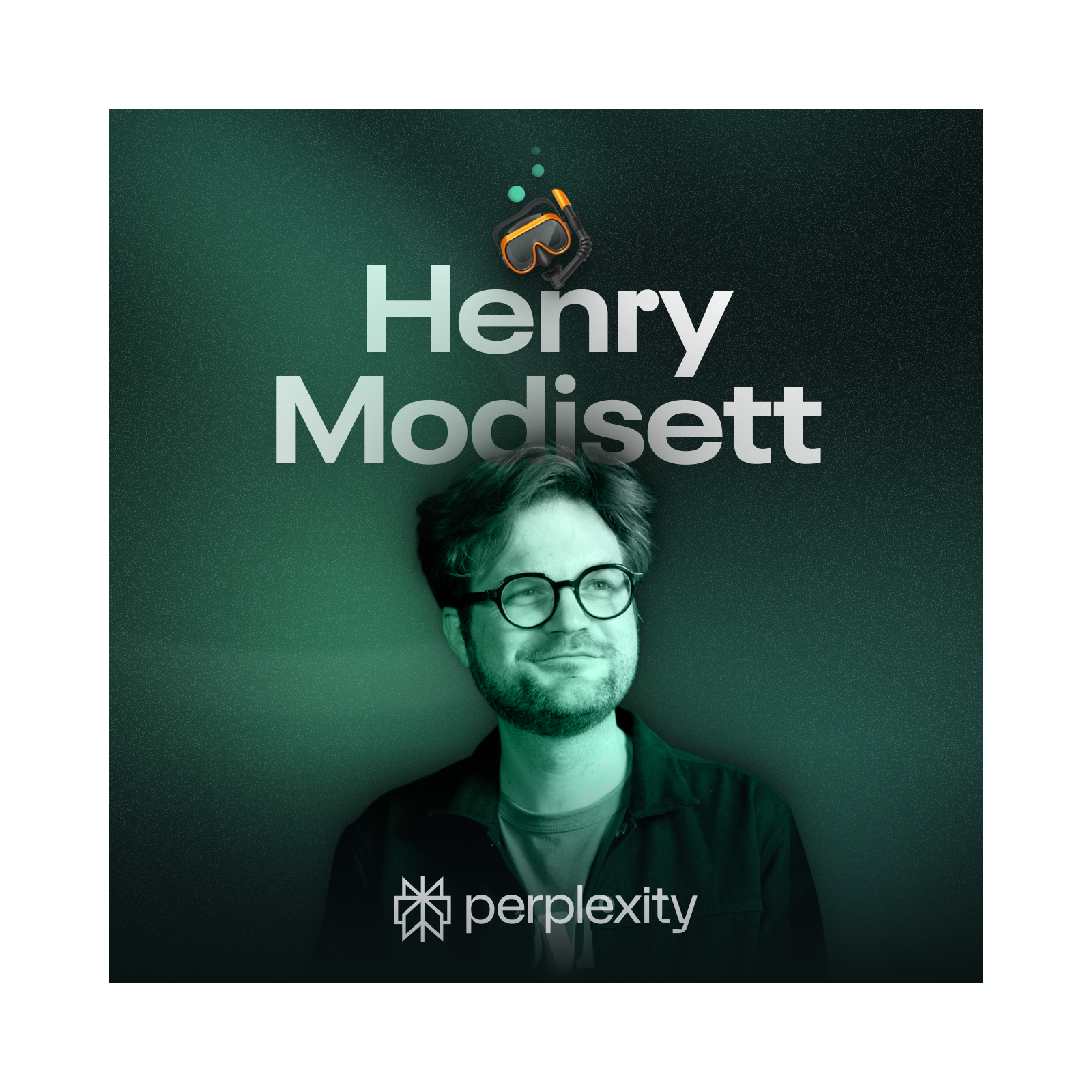
Ridd says the whole startup is a never-ending storytelling exercise, and being both designer and founder makes storytelling the source. Kyle adds you have to convince yourself something is true, which is hard for designers trained to hold two truths at once.
Many founders start with instrumental goals like making money. The most sustainable motivation is when building becomes an end in itself—the joy of creating something wonderful. This mindset shifts focus from optimizing components for profit to creating a product customers truly love.

Citing Brian Chesky's view that Apple was Steve Jobs's greatest product, Ries argues founders should treat governance not as compliance, but as design. This 'organizational soul craft' is a vital entrepreneurial challenge to build a resilient, mission-driven company.
