Get your free personalized podcast brief
We scan new podcasts and send you the top 5 insights daily.
Jack Ma and Joe Tsai's first fundraising trip to Sand Hill Road was a total failure. They secured zero interest from over a dozen investors baffled by their lack of a business plan. Instead of incorporating feedback, they learned to trust their own conviction rather than what investors told them to build.

Related Insights
Silicon Valley's default response to crazy ideas is curiosity, not cynicism, which fosters greater ambition. Crucially, the culture values the experience gained from failure. A founder who raised and lost $50 million is still seen as a valuable bet by investors, a dynamic not found in other ecosystems.
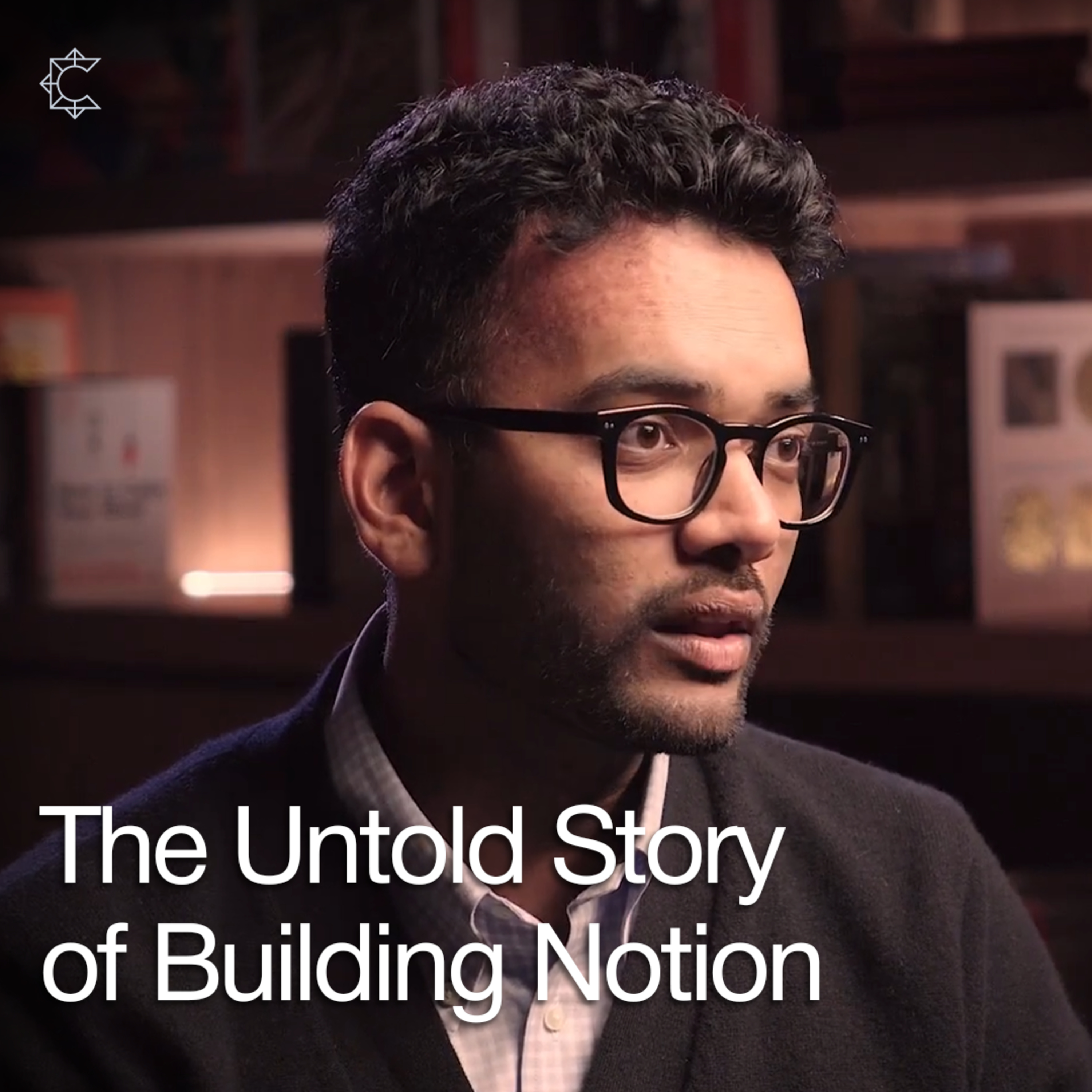
Legora founder Max Junestrand was rejected by YC, then accepted. The difference was having a competing term sheet and pitching with aggressive confidence, demonstrating they would succeed with or without YC. This fire convinced the partners.

Joe Tsai joined Alibaba when it had no revenue, no incorporated company, and a business plan he couldn't understand. He made the leap based entirely on Jack Ma's charisma and leadership qualities. His advice is to prioritize finding the right people to partner with over analyzing the initial idea.
Founders with deep market fit must trust their unique intuition over persuasive, but generic, VC advice. Following the standard playbook leads to cookie-cutter companies, while leaning into the 'weird' things that make your business different is what creates a unique, defensible moat.

To challenge eBay's monopoly, Alibaba launched Taobao. Facing internal opposition and significant financial risk, Joe Tsai structured it as a secret 50/50 joint venture with SoftBank. This insulated Alibaba from potential failure while allowing the new venture to operate aggressively and independently.
Founders must have conviction, as even their most sophisticated investors can fundamentally misjudge a bold strategic shift. A Sequoia Capital partner admits their own investors strongly opposed a pivotal move into logistics, demonstrating that founder vision must sometimes override expert consensus.

The founders of Free Soul endured multiple rejections, including literally being laughed out of rooms. They frame this brutal process as a necessary filter that weeded out misaligned VCs and ultimately led them to investors who were personally connected to their mission.

Past success can create a dangerous belief that 'I know how to do this.' Second-time founders must actively fight confirmation bias. The fundraising process, even when capital is easy to access, serves as a crucial crucible to hold ideas accountable and ensure they are building something the market truly needs, not just what they think it needs.

During a tough fundraising process, founders should remove emotion and ask themselves a critical question: 'Would I invest my entire personal fortune into this right now?' Answering 'yes' with rational conviction is the key to weathering rejections and ultimately persuading an anchor investor to make the first bet.
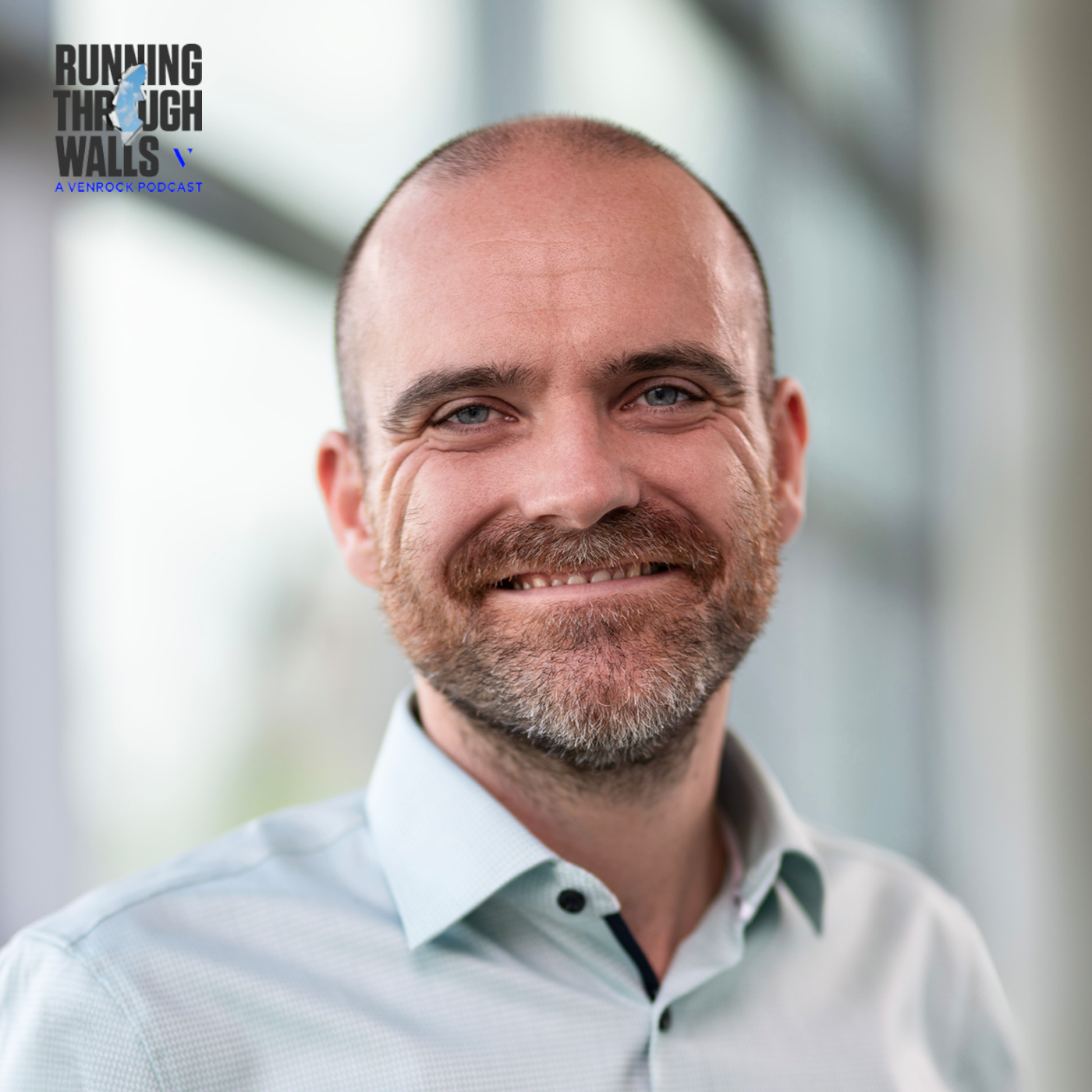
While it's crucial to listen to markets and clients, founders must also be prepared to stick to their convictions when investors, who may not be specialists in their niche, offer conflicting advice. Knowing when to listen and when to hold firm is a key startup skill.