Get your free personalized podcast brief
We scan new podcasts and send you the top 5 insights daily.
To challenge eBay's monopoly, Alibaba launched Taobao. Facing internal opposition and significant financial risk, Joe Tsai structured it as a secret 50/50 joint venture with SoftBank. This insulated Alibaba from potential failure while allowing the new venture to operate aggressively and independently.

Related Insights
Contrary to the common narrative of a stifling 'crackdown,' Joe Tsai argues China's increased tech regulation established a 'new normal' that is better for business. By clarifying the 'red lines' around monopoly and privacy, the government created a more predictable environment, which is preferable to the previous era of unchecked, chaotic competition.
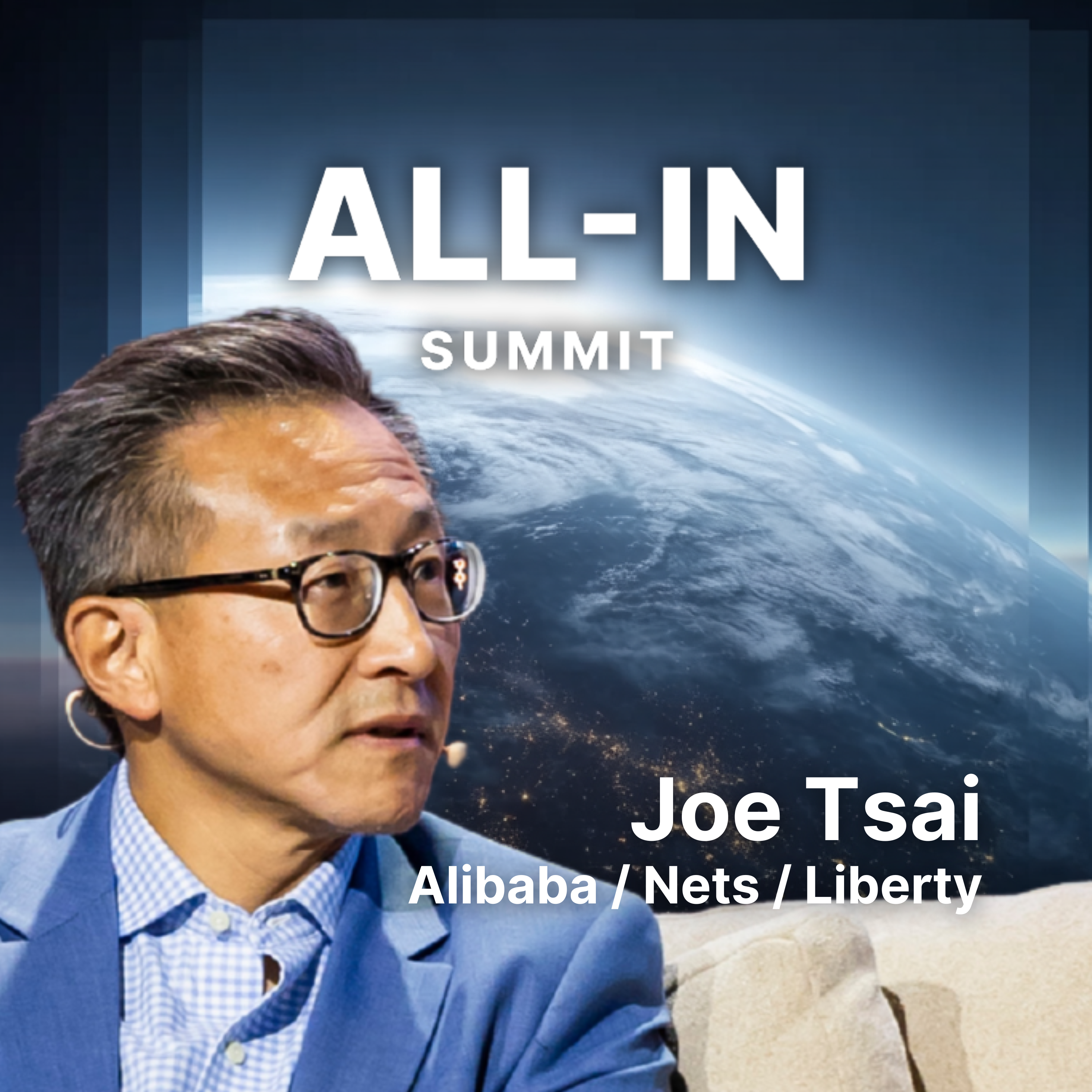
China's harsh, deflationary economic environment and intense domestic competition, while causing many companies to fail, effectively hones a select few into highly resilient and efficient champions. These survivors are now prepared for successful global expansion.

Contrary to popular belief, successful entrepreneurs are not reckless risk-takers. They are experts at systematically eliminating risk. They validate demand before building, structure deals to minimize capital outlay (e.g., leasing planes), and enter markets with weak competition. Their goal is to win with the least possible exposure.

Jack Ma and Joe Tsai's first fundraising trip to Sand Hill Road was a total failure. They secured zero interest from over a dozen investors baffled by their lack of a business plan. Instead of incorporating feedback, they learned to trust their own conviction rather than what investors told them to build.
The creation of a US-controlled joint venture for TikTok mirrors the structure that Western companies historically had to adopt to enter China. This role reversal shows how geopolitical power dynamics are reshaping global tech and business regulations.
Joe Tsai joined Alibaba when it had no revenue, no incorporated company, and a business plan he couldn't understand. He made the leap based entirely on Jack Ma's charisma and leadership qualities. His advice is to prioritize finding the right people to partner with over analyzing the initial idea.
Instead of waiting for an external threat, dating-app giant Match Group is funding a potential competitor launched by the original founder of Hinge, an app it now owns. This is a sophisticated strategy to incubate and control the next wave of innovation within its own market, effectively hedging against disruption.

Facing hyper-competitive local rivals, Starbucks is selling a majority stake in its China business. This is not a retreat, but a strategic shift to a joint venture model. It's a playbook for Western brands to gain local agility, faster product rollouts, and deeper digital integration where Western brand dominance is fading.
Despite investor pressure to divest its unprofitable food delivery business, Chairman Joe Tsai kept it. He saw beyond the P&L, recognizing its 30-minute delivery infrastructure as a critical long-term asset for the future of "instant commerce," which would extend far beyond food.
Instead of jumping directly to an acquisition, de-risk the process by first establishing a partnership or licensing agreement. This allows you to test the technology, cultural fit, and market reception with a lower commitment, building a stronger foundation for a potential future deal.
