Get your free personalized podcast brief
We scan new podcasts and send you the top 5 insights daily.
Hanover Park’s organizational design has no product managers or designers. Instead, it embeds engineers directly with fund accountants—the domain experts. This creates a tight feedback loop that allows them to build a more informed and practical product much faster by aligning development directly with user needs.

Related Insights
The traditional, linear handoff from product (PRDs) to design to dev is too slow for AI's rapid iteration cycles. Leading companies merge these roles into smaller, senior teams where design and product deliver functional prototypes directly to engineering, collapsing the feedback loop and accelerating development.
Embed engineers directly with customers to hear feedback and ship solutions, often on the same day. This radical structure eliminates layers of communication (Product Managers, Customer Success) and scales the 'founder energy' of talking to users and immediately building what they need.
The V0 team operates with minimal product management oversight, empowering product-minded engineers (often ex-founders) to make 95% of product decisions directly. This sacrifices potentially "perfect" choices for a dramatic increase in development velocity.

Sundial founder Julie Zhu intentionally avoids hiring product managers. This constraint forces engineers to take full ownership of the product definition and user value, preventing them from delegating critical product thinking and developing a stronger sense of customer empathy.

In an AI company, product discovery is tied to latent model capabilities. Legora's structure reflects this with a minimal product management layer. Instead, technical, research-led engineering teams directly translate model advancements into customer solutions.

The traditional PM function, which builds sequential, multi-month roadmaps based on customer feedback, is ill-suited for AI. With core capabilities evolving weekly, AI companies must embed research teams directly with customer-facing teams to stay agile, rendering the classic PM role ineffective.
A new organizational model is emerging where companies create small, agile teams comprising a senior expert, an engineer, and a marketer. Empowered by AI tools, these pods can develop and launch new products in a week, a task that once required large teams and over six months.
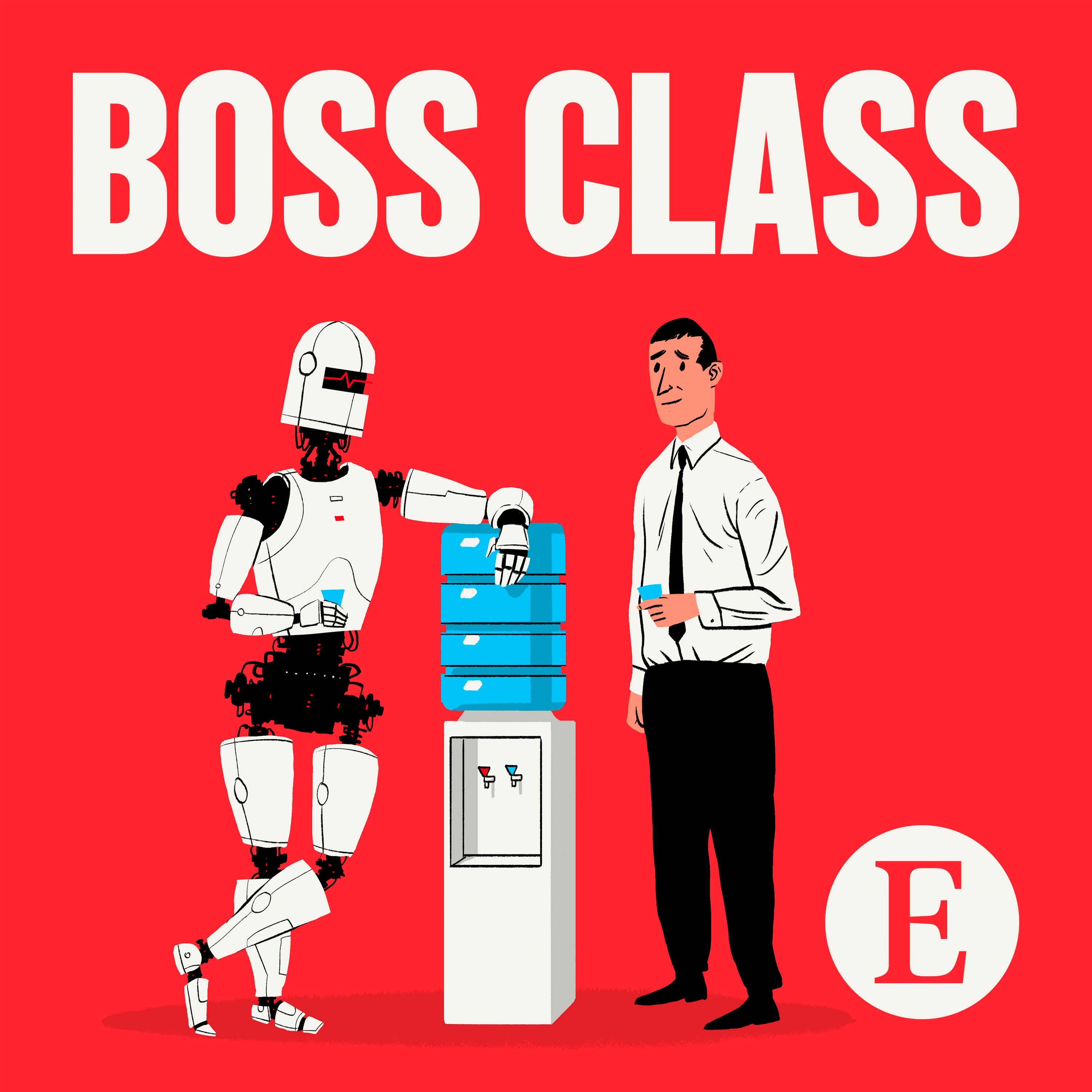
Instead of hiring more PMs to manage faster engineering cycles, Anthropic focuses on hiring engineers with strong product taste who can ship end-to-end. This reduces overhead and blurs traditional roles, as most PMs and designers also have engineering backgrounds.

Serval hires 'future founder' types as Forward Deployed Engineers (FDEs). Their primary function isn't just implementation but to replicate the early-stage founder motion: directly interacting with customers, identifying pain points, and channeling that feedback immediately into product improvements, thus scaling the founder-led feedback loop.

ElevenLabs eliminates the traditional Product Manager role. They hire "product engineers" who own the entire development loop from ideation to shipping and analysis. Growth leads (often ex-PMs) then partner with engineering leads on GTM and acquisition, creating a faster, more accountable structure.
