Get your free personalized podcast brief
We scan new podcasts and send you the top 5 insights daily.
An ISIS supporter who attacked an ROTC classroom was quickly killed by the students themselves. This illustrates a critical miscalculation: assuming a group trained for combat will be a soft target. It's a real-world example of choosing the wrong opponent with fatal consequences, a concept the host calls "the world's most aggressive game of FAFO."

Related Insights
An Army Ranger's decision not to shoot a potential threat was based on the man singing—a bizarre action for an enemy scout. This highlights the reliance on broad contextual judgment that current autonomous weapons lack, emphasizing the life-or-death stakes of getting these decisions right.

Engaging a military with a decentralized command structure is perilous because there's no central authority for negotiation. Even if leadership is neutralized, autonomous cells can continue fighting, creating an unwinnable "headless chicken" scenario where a ceasefire is impossible to implement.

Targeting a regime's leader, assuming it will cause collapse, is a fallacy. Resilient, adaptive regimes often replace the fallen leader with a more aggressive individual who is incentivized to lash back simply to establish their own credibility and power.

Civil defense courses in Lithuania extend far beyond basic first aid. They actively train civilians in asymmetric warfare tactics, such as identifying enemy military vehicles, disrupting logistics by removing road signs, collecting intelligence, and building psychological resilience against disinformation. This empowers ordinary citizens to become an active part of the resistance.

Leaders often assume that applying pressure will force an opponent to the negotiating table. This strategy can fail when the adversary operates under a different logic or, as with Iran's decentralized military, when there is no single authority left to negotiate with, revealing a critical cognitive bias.

Regardless of intent, military actions like bombings create personal tragedies that radicalize individuals. This blowback is an unavoidable consequence of war, leading to revenge attacks and perpetuating the conflict, a factor often underestimated in strategic planning.

The US military's effectiveness stems from a deep-seated culture of candor and continuous improvement. Through rigorous training centers, it relentlessly integrates lessons to avoid repeating mistakes in combat, a mechanism adversaries often lack, forcing them to learn "as they lose lives."

Targeting senior leaders in regimes that operate on an irregular warfare model is a flawed strategy. These governments anticipate such attacks and have shadow leadership structures in place, ensuring operational continuity and rendering decapitation strikes futile.

Contrary to their image of strength, authoritarian figures often rely on bluff and "anticipatory obedience." When confronted with direct, organized resistance, they frequently lack a follow-up plan and retreat, revealing their inherent fragility and dependence on their opposition's inaction.

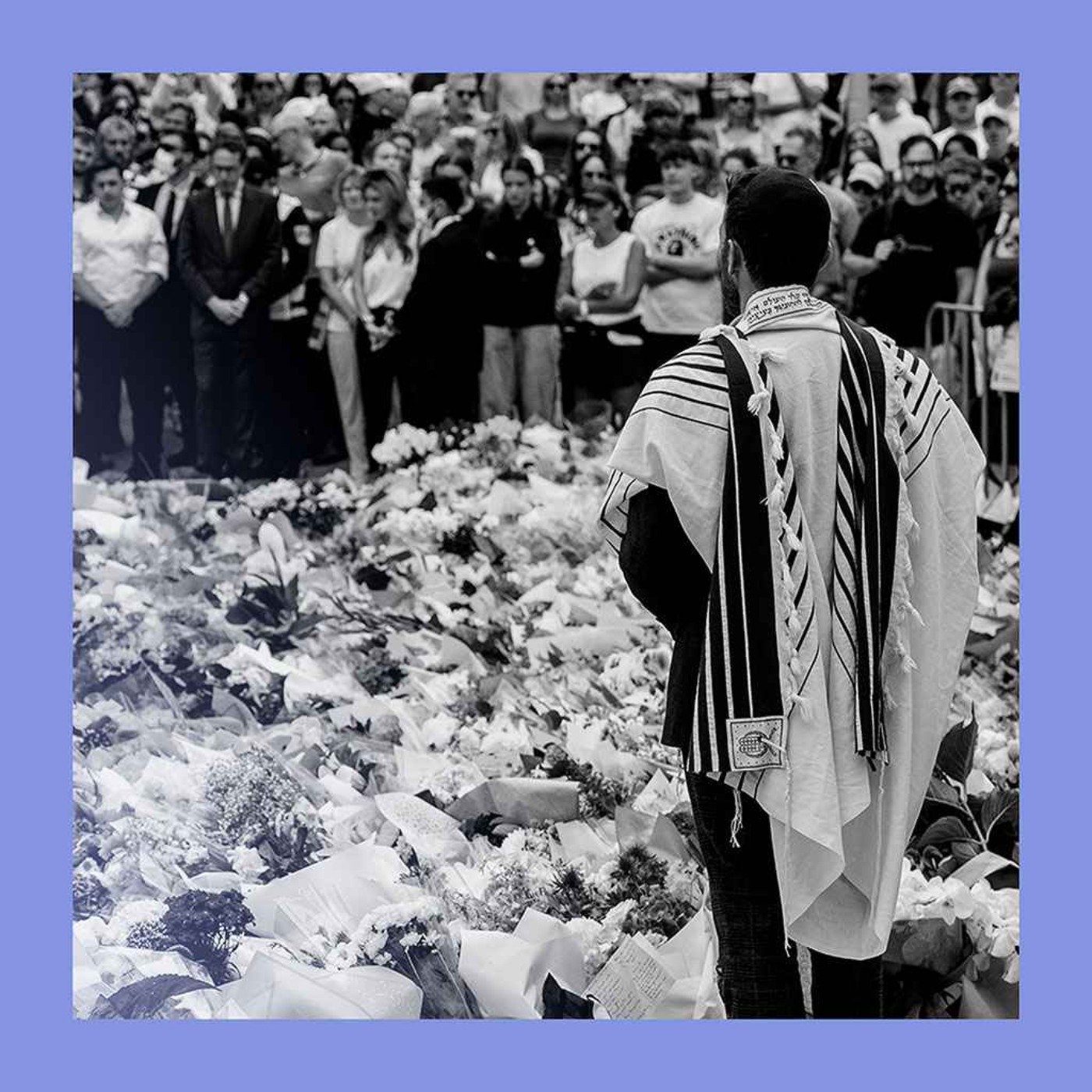
The Bondi Beach attack exemplifies a trend where individuals, while not part of a local cell, are inspired and sometimes trained by global terror groups like ISIS. This model of indirect incitement makes such attacks difficult for security services to predict or prevent, posing a significant global threat.