Get your free personalized podcast brief
We scan new podcasts and send you the top 5 insights daily.
Targeting senior leaders in regimes that operate on an irregular warfare model is a flawed strategy. These governments anticipate such attacks and have shadow leadership structures in place, ensuring operational continuity and rendering decapitation strikes futile.

Related Insights
The idea that airstrikes can decapitate the Iranian regime is a fallacy. The IRGC's influence is too deeply embedded within the society and its institutions. Killing leaders at the top will not remove this "rot," and the IRGC will simply re-constitute control, likely in an even more repressive form.

Targeting a regime's leader, assuming it will cause collapse, is a fallacy. Resilient, adaptive regimes often replace the fallen leader with a more aggressive individual who is incentivized to lash back simply to establish their own credibility and power.

Unlike regimes centered on a single dictator like Saddam Hussein, Iran's power structure is a complex, institutionalized relationship between its clerical and military establishments. This distributed power makes the regime resilient to 'decapitation' strikes aimed at killing senior leaders, as there is no single point of failure.

The Trump administration's apparent strategy of decapitating leadership to find a compliant successor is unlikely to work in Iran. Unlike Venezuela, Iran's power is deeply institutionalized, it lacks an obvious cooperative figure, and potential US targets for that role have already been eliminated.

Iran has anticipated leadership decapitation strikes for decades, building a resilient and distributed command and control infrastructure. This allows its forces, particularly the IRGC, to continue operating and launching attacks even without direct contact with headquarters.
The US administration believed it could decapitate Iran's leadership and install a friendly faction, replicating its 'Venezuela model.' This strategy collapsed in the opening hours of the war because the potential successors the US counted on were killed alongside the Supreme Leader.

The hope that airstrikes can catalyze a popular uprising for regime change is historically unfounded. Unlike in Afghanistan or Libya where local ground forces existed, there is no organized army on the ground in Iran to capitalize on air power, making a decapitation strategy highly unlikely to succeed.
A U.S. military strike to remove Ayatollah Khamenei is unlikely to help protesters. Analysis suggests it would more likely result in the Revolutionary Guard seizing control or other regime remnants continuing the fight, ultimately failing to satisfy the opposition and potentially worsening the civil conflict.
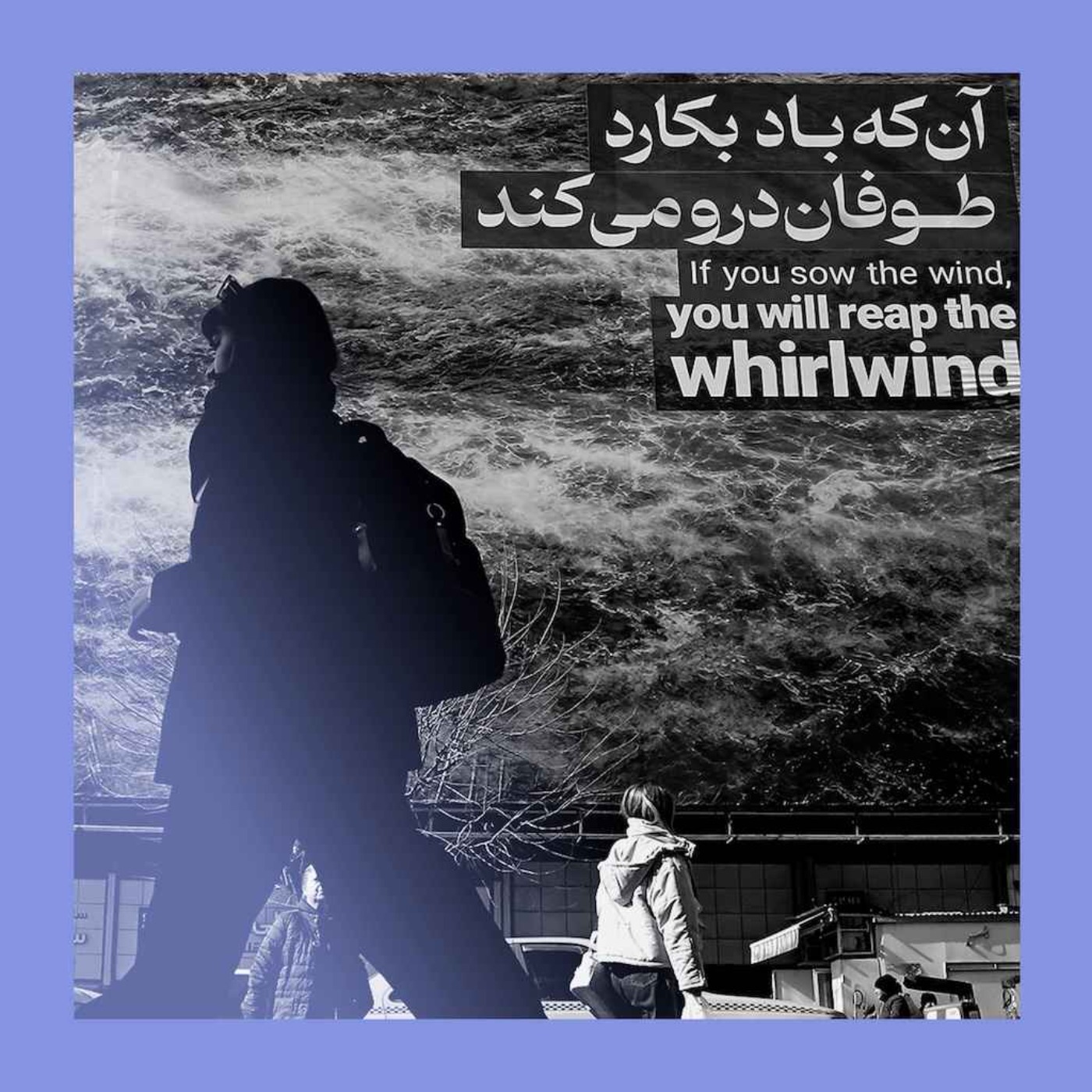
Iran's military is split into 31 provincial commands with pre-authorized launch orders. This structure makes it resilient to leadership assassinations, as there's no central "kill switch," complicating any military exit strategy for opposing forces.

The US approach to Iran is not traditional regime change with ground troops. Instead, it involves targeted strikes to eliminate key leaders ("decapitation"), creating a power vacuum with the hope that the already revolutionary-minded Iranian public will topple the government from within.