Get your free personalized podcast brief
We scan new podcasts and send you the top 5 insights daily.
Charles Koch believes going public would have made their success impossible. Public markets demand simple, industry-focused stories, which would have prevented their complex, long-term strategy of expanding based on capabilities—a model that would have been misunderstood and undervalued by analysts.
Related Insights
BMW's ability to make long-term, strategic decisions is directly linked to its family-controlled ownership. This structure insulates management from the short-term pressures faced by publicly-run competitors, allowing for more patient and unconventional brand and technology stewardship.

Koch Industries expands into new markets not by sticking to one industry (like oil), but by applying its core competencies (e.g., operations, logistics, trading) to diverse sectors where those capabilities create a competitive advantage.
Top-tier private companies like Stripe and Databricks are actively choosing to delay IPOs, viewing the public market as an inferior "product." With access to cheaper private capital and freedom from quarterly scrutiny and activist investors, staying private offers a better environment to build long-term value.

3G targets family-owned businesses because they often make better long-term decisions without quarterly pressures. Decisions that are negative ROI in the short term (e.g., entering new markets) compound positively over decades, creating more resilient and valuable enterprises.
![Alex Behring and Daniel Schwartz - Inside 3G Capital - [Invest Like the Best, EP.458] thumbnail](https://megaphone.imgix.net/podcasts/e08d17d8-0630-11f1-900f-af0896d80a14/image/dcbaadaaf3c949d9b9de61e9cbe5c91f.jpg?ixlib=rails-4.3.1&max-w=3000&max-h=3000&fit=crop&auto=format,compress)
Public companies, beholden to quarterly earnings, often behave like "psychopaths," optimizing for short-term metrics at the expense of customer relationships. In contrast, founder-led or family-owned firms can invest in long-term customer value, leading to more sustainable success.
Top companies like Stripe or SpaceX can stay private forever by using robust secondary markets to provide liquidity to employees and investors. This allows them to focus on long-term growth without the burdens of public company reporting and quarterly profit pressures.

Neil Patel keeps his $100M+ revenue company private to maintain strategic control. This allows him to invest heavily and acquire companies when valuations are cheap during economic downturns—a long-term strategy that public market pressures on quarterly earnings would likely punish.

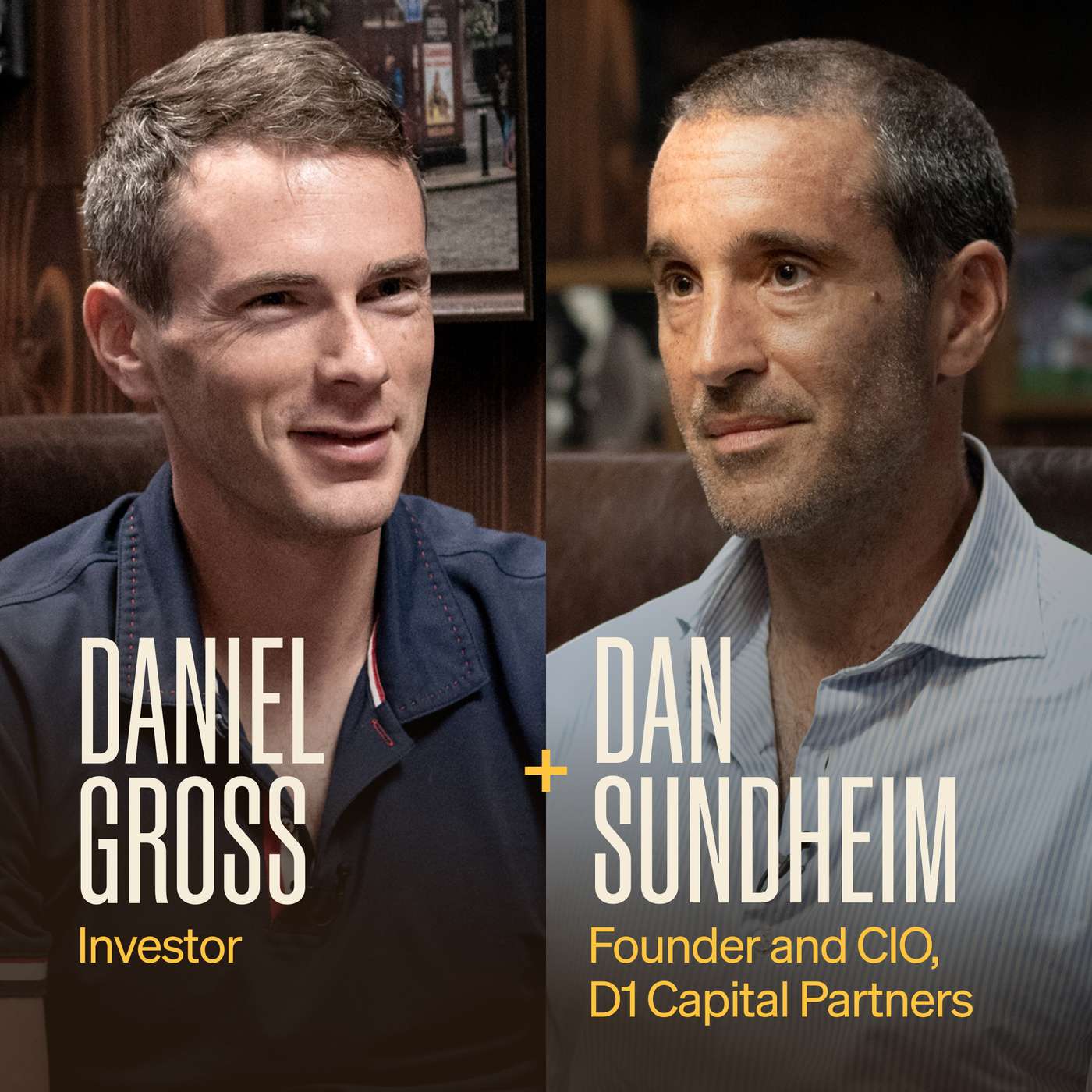
Dan Sundheim argues successful private companies should avoid going public. Public market volatility means stock prices, and thus employee compensation, are driven by sentiment, not fundamental value creation. Being dramatically overvalued can be as harmful as being undervalued, as it misaligns incentives for future hires.
Koch Disruptive Technologies would have been shut down if judged on short-term financials, as venture losses appear before winners. The firm was sustained because the leadership valued the strategic learning about disruptive tech that could impact its core businesses, justifying the investment long enough for returns to emerge.
Both companies leverage their independent ownership to make long-term, values-driven decisions that might be challenged by public market investors. This structure provides the freedom to prioritize purpose over immediate profit, such as restraining growth or making bold political statements.