Get your free personalized podcast brief
We scan new podcasts and send you the top 5 insights daily.
Unlike traditional analyst roles, Fidelity gives new college hires a portfolio of stocks and complete freedom in their research process. They work for no one and are judged solely on performance, forcing them to develop their own style and take true ownership immediately.

Related Insights
When a top engineer planned to leave to found a startup, Amplitude retained him by giving him autonomy to build his own project (AI Visibility). They offered a safe space to learn "while getting paid" and promised to fund his future venture, turning a potential talent loss into a massive product win.

Instead of demanding immediate portfolio construction, Capital Group gives new investment analysts a three-to-six-month non-producing onboarding period. This time is dedicated to deep industry research and internal knowledge absorption, fostering a long-term, thoughtful approach from day one.
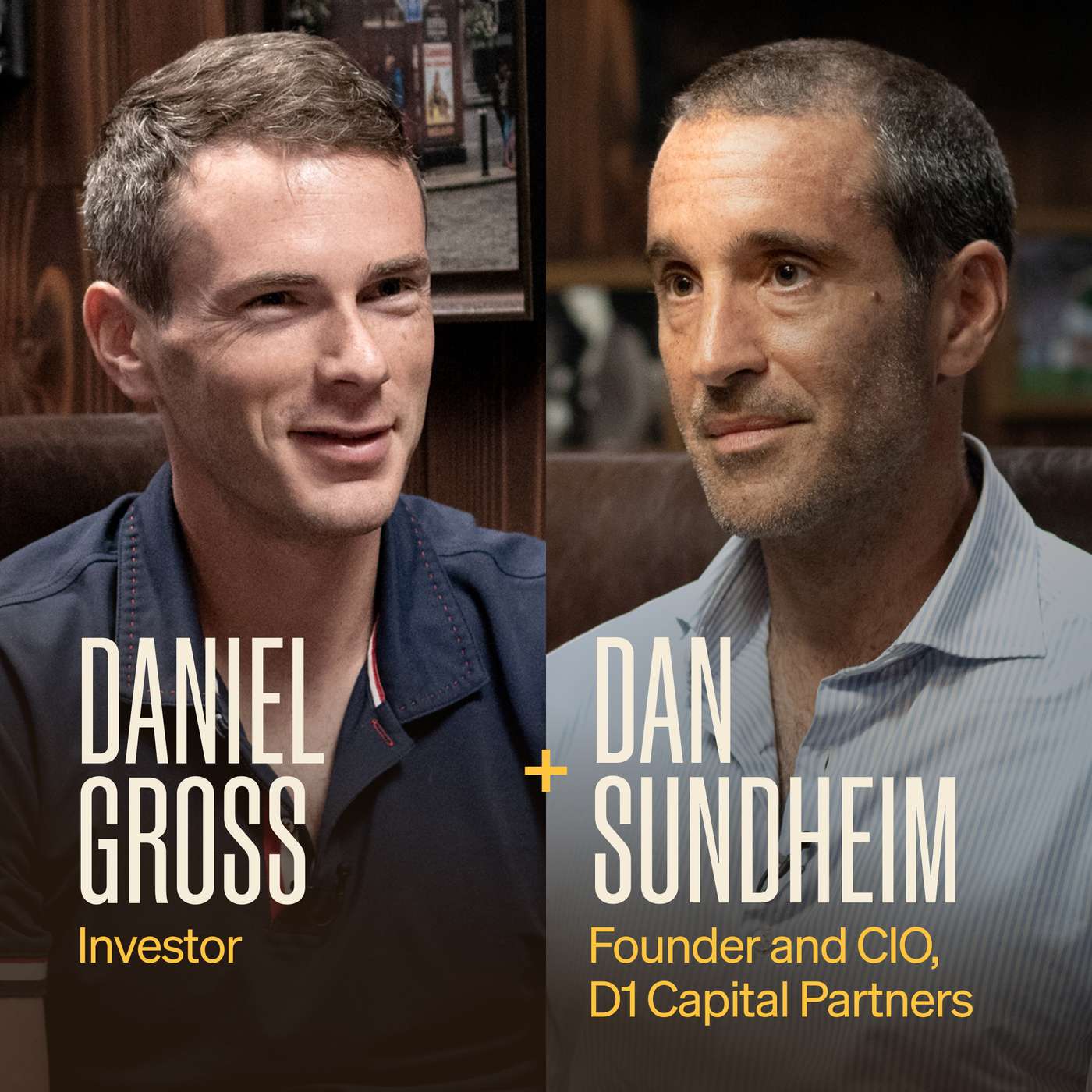
To ensure accountability and combat hindsight bias, D1 Capital requires analysts to maintain a weekly "mock portfolio" of their best ideas, weighted as if managing real capital. This pre-registered record is used in compensation reviews, preventing analysts from only highlighting their successful calls at year-end.
By removing the annual bonus cycle, Eagle Capital eliminates short-term performance pressure on analysts. This encourages them to focus on investment theses that play out over 3-7 years, aligning compensation with the firm's long-duration investment strategy.
Lovable prioritizes hiring individuals with extreme passion, high agency, and autonomy—people for whom the work is a core part of their identity. This focus on intrinsic motivation, verified through paid work trials, allows them to build a team that can thrive in chaos and drive initiatives from start to finish without supervision.

Premira fosters an entrepreneurial culture where even junior employees are encouraged and supported to identify new investment themes, source potential deals, and see them through. This autonomy acts as a powerful retention tool, creating a path to career-defining wins.

Instead of only acquiring established stars or developing juniors from scratch, Jain Global's core competency is 'talent acceleration.' It identifies high-potential specialists—like equity research analysts or market makers—and provides the coaching and infrastructure needed to transform them into successful portfolio managers.
Capital Group's unique "Capital System" empowers analysts to invest client assets directly, rather than just issue ratings. This instills a deep sense of ownership and responsibility, forcing them to consider portfolio risk and diversification beyond a simple buy/sell recommendation.

Sacerdote describes Fidelity's analyst training as a "huge team, but very individualistic." Analysts learn by pitching ideas to a wide variety of PMs with different styles (value, growth, GARP). This constant, diverse feedback loop organically forces them to discover and hone their own unique investment approach.
Instead of only rating stocks, analysts at Capital Group directly manage real client assets. This "skin in the game" approach gives them direct accountability and responsibility, fundamentally changing their role from advisors to investors.
