Get your free personalized podcast brief
We scan new podcasts and send you the top 5 insights daily.
A core challenge in physical AI is the tension between large, powerful models (offboard, in a data center) and the need for low-latency models (onboard, on the machine). The key is using techniques like distillation to create smaller derivatives that run in milliseconds for safety-critical decisions.

Related Insights
While techniques like model distillation can reduce costs for near-frontier AI capabilities, this hasn't dampened demand for the absolute best models. The market shows very little desire for the third-best model, but exceptional demand for the top-performing one for any given task, demonstrating a winner-take-all dynamic.

China is gaining an efficiency edge in AI by using "distillation"—training smaller, cheaper models from larger ones. This "train the trainer" approach is much faster and challenges the capital-intensive US strategy, highlighting how inefficient and "bloated" current Western foundational models are.

Advanced AI architectures will use small, fast, and cheap local models to act as intelligent routers. These models will first analyze a complex request, formulate a plan, and then delegate different sub-tasks to a fleet of more powerful or specialized models, optimizing for cost and performance.
The process of 'distillation' involves using a large, expensive LLM to perform a task repeatedly. The resulting prompts and responses then become the training data to create a smaller, specialized, and much cheaper Small Language Model (SLM) that can perform that specific task, potentially saving 90% on inference costs.

The public-facing models from major labs are likely efficient Mixture-of-Experts (MOE) versions distilled from much larger, private, and computationally expensive dense models. This means the model users interact with is a smaller, optimized copy, not the original frontier model.
![[LIVE] Anthropic Distillation & How Models Cheat (SWE-Bench Dead) | Nathan Lambert & Sebastian Raschka thumbnail](https://substackcdn.com/feed/podcast/1084089/post/189277598/ca7468da5614a246d2906ee8926f6de7.jpg)
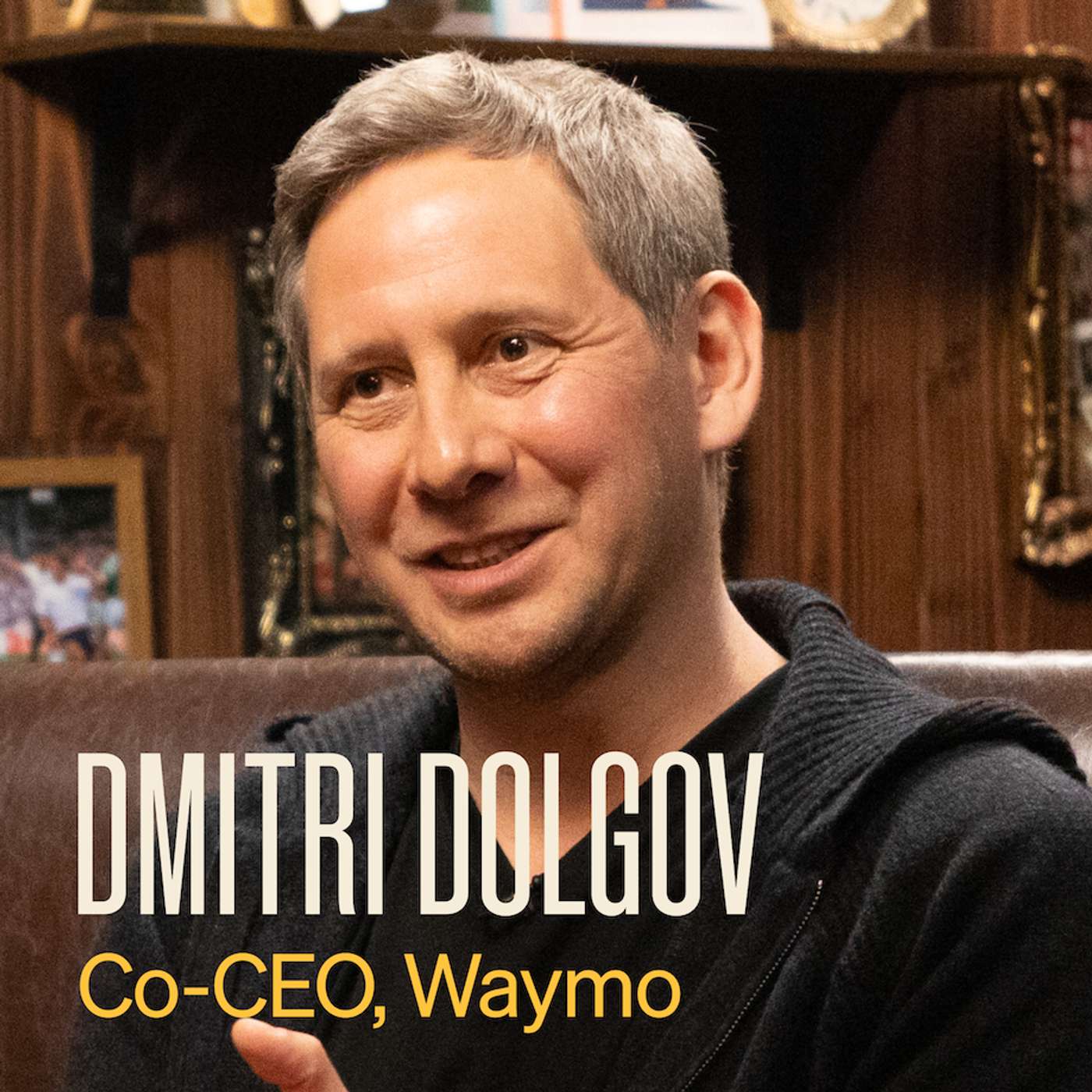
Waymo uses a foundation model to create specialized, high-capacity "teacher" models (Driver, Simulator, Critic) offline. These teachers then distill their knowledge into smaller, efficient "student" models that can run in real-time on the vehicle, balancing massive computational power with on-device constraints.
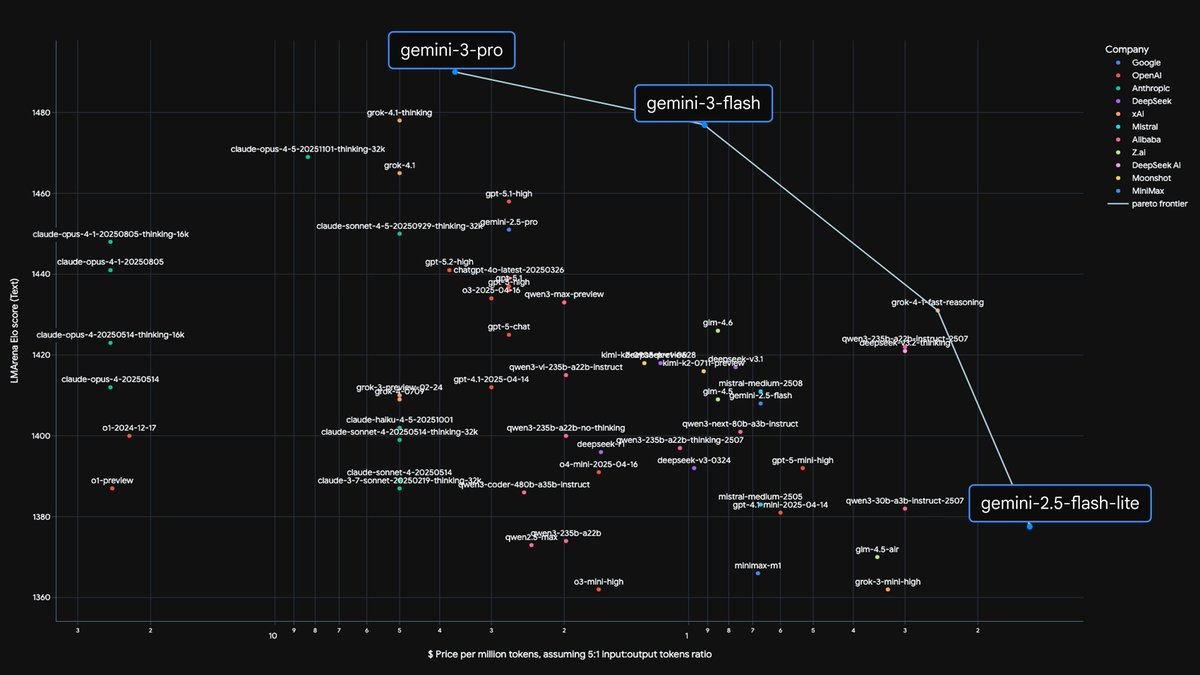
Google's strategy involves creating both cutting-edge models (Pro/Ultra) and efficient ones (Flash). The key is using distillation to transfer capabilities from large models to smaller, faster versions, allowing them to serve a wide range of use cases from complex reasoning to everyday applications.
For low-latency applications, start with a small model to rapidly iterate on data quality. Then, use a large, high-quality model for optimal tuning with the cleaned data. Finally, distill the capabilities of this large, specialized model back into a small, fast model for production deployment.

A cost-effective AI architecture involves using a small, local model on the user's device to pre-process requests. This local AI can condense large inputs into an efficient, smaller prompt before sending it to the expensive, powerful cloud model, optimizing resource usage.

A key technique for creating powerful edge models is knowledge distillation. This involves using a large, powerful cloud-based model to generate training data that 'distills' its knowledge into a much smaller, more efficient model, making it suitable for specialized tasks on resource-constrained devices.