Get your free personalized podcast brief
We scan new podcasts and send you the top 5 insights daily.
Peter Steinberger's ability to rename Clawdbot to Moltbot in an hour reflects the mindset of a prolific developer with dozens of projects. He doesn't treat names as precious, multi-million dollar decisions but as functional labels. This allows for extreme agility that established companies, who agonize over branding for years, cannot match.
Related Insights
A rebrand should be viewed as building the fundamental foundation of a business. Without it, growth attempts are superficial and temporary. With a solid brand, the company has a stable base that can support significant scaling and prevent the business from hitting a growth ceiling.

Meta's rebrand from Facebook, much like Google's to Alphabet, was not just a name change. It was a strategic move to signal to both employees and the market that the company's ambitions extend beyond its original core product, creating the space and permission to build entirely new business lines.

StackBlitz launched its pivotal product, Bolt.new, under a new brand because it was a final experiment before potentially shutting down. This strategy protects the core company's brand equity in case the experiment fails and gives the new product a distinct identity to attract a different user base.
A founder's reluctance to rebrand often stems from sentimental value (e.g., a family member designed it), not business logic. Overcoming this emotional barrier is a critical first step, recognizing the difference between a simple logo and a comprehensive brand identity that can scale.
The viral AI agent Clawdbot was renamed to Moltbot after a "trademark-related request" from Anthropic. Creator Peter Steinberger executed the entire rebrand in about an hour, a stark contrast to the months or years corporations typically spend on such changes.

Moltbot's creator highlights a key challenge: viral success transforms a fun personal project into an overwhelming public utility. The creator is suddenly bombarded with support requests, security reports, and feature demands from users with different use cases, forcing a shift from solo hacking to community-led maintenance or a foundation.
To avoid disrupting existing enterprise customers and being disrupted themselves, Sourcegraph launched a new brand, AMP. This freed them from Kodi's contracts, customer expectations, and release cycles, enabling a much faster, more radical development pace for their new coding agent.

While creator Peter Steinberger is credited with Moltbot's viral success, he quickly brought on contributors to manage the project. This challenges the popular narrative of solo founders reaching massive scale, highlighting that even hyper-efficient creators need a team to handle rapid growth and operational complexity.
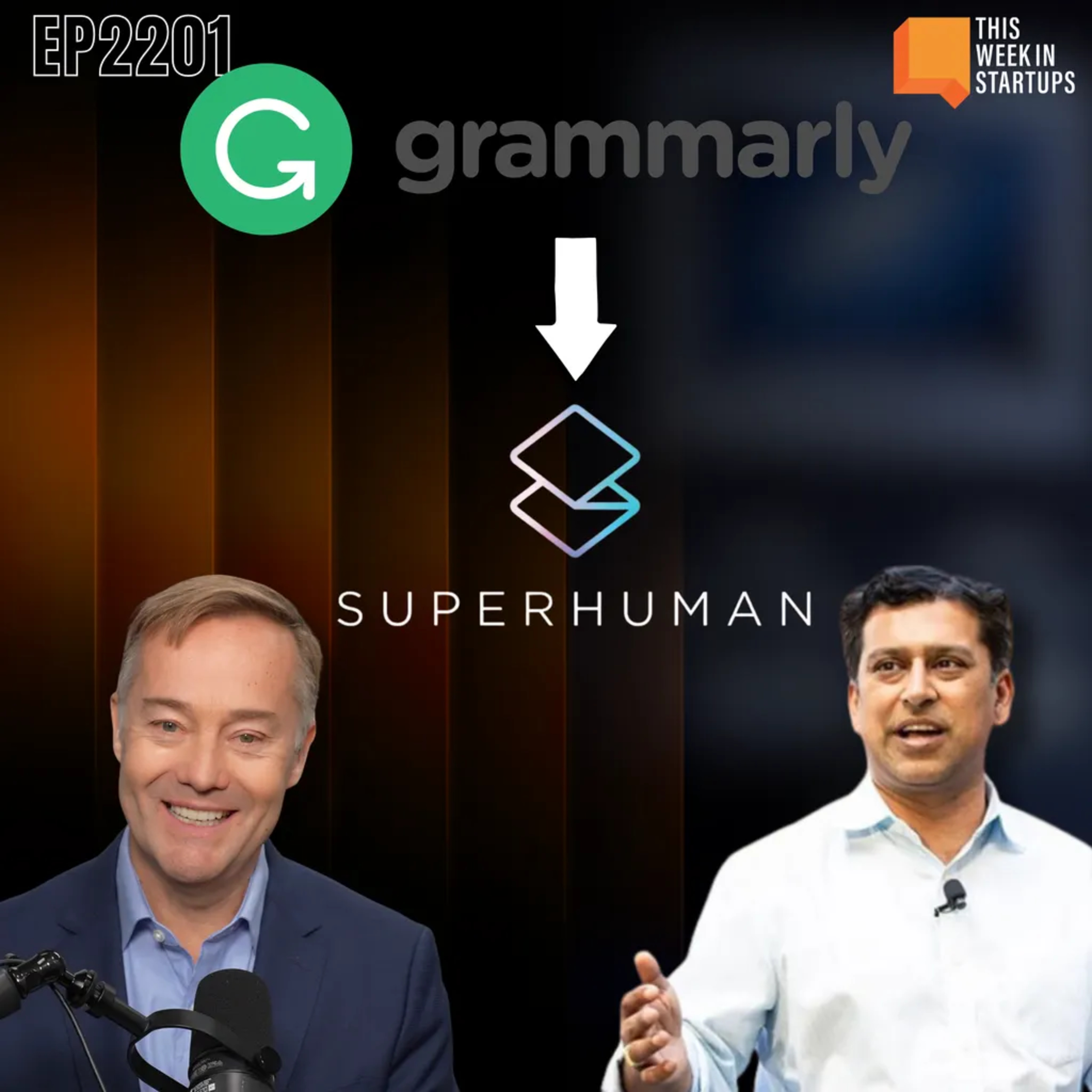
Grammarly's rebrand to Superhuman represents a strategic shift from a single-feature product to an ambitious platform. Elevating the "Superhuman" sub-brand to the parent signals a broader mission of empowering human potential across various tasks, not just correcting grammar. The key is focusing on "human" empowerment.
The name "Claude Code" was a significant barrier for non-technical users, suggesting a developer-only tool. The creation of "Cowork" is a direct response to user behavior showing its broader utility, repackaging the same core functionality with a more accessible name and interface for a wider audience.
