Get your free personalized podcast brief
We scan new podcasts and send you the top 5 insights daily.
By dropping critical ads just before the Super Bowl and OpenAI's planned ad launch, Anthropic made it impossible for OpenAI to craft and run a response ad in time. This maximized the unchallenged impact of their campaign by muddying the waters at a critical moment.

Related Insights
OpenAI's previous dismissal of advertising as a "last resort" and denials of testing ads created a trust deficit. When the ad announcement came, it was seen as a reversal, making the company's messaging appear either deceptive or naive, undermining user confidence in its stated principles of transparency.

The AI industry operates in a "press release economy" where mindshare is critical. Competitors strategically time major news, like Anthropic's massive valuation, to coincide with a rival's launch (Google's Gemini 3) to dilute media impact and ensure they remain part of the conversation.

Dario Amadei's public criticism of advertising and "social media entrepreneurs" isn't just personal ideology. It's a strategic narrative to position Anthropic as the principled, enterprise-focused AI choice, contrasting with consumer-focused rivals like Google and OpenAI who need to "maximize engagement for a billion users."

OpenAI's initial Super Bowl ad was a high-concept, tech-centric piece. The expectation for their next ad is a shift towards showing tangible, everyday use cases, aiming to demystify AI for the average consumer and integrate ChatGPT into their daily lives, much like a classic Budweiser commercial appeals to the masses.
As competitors like Google's Gemini close the quality gap with ChatGPT, OpenAI loses its unique product advantage. This commoditization will force them to adopt advertising sooner than planned to sustain their massive operational costs and offer a competitive free product, despite claims of pausing such efforts.
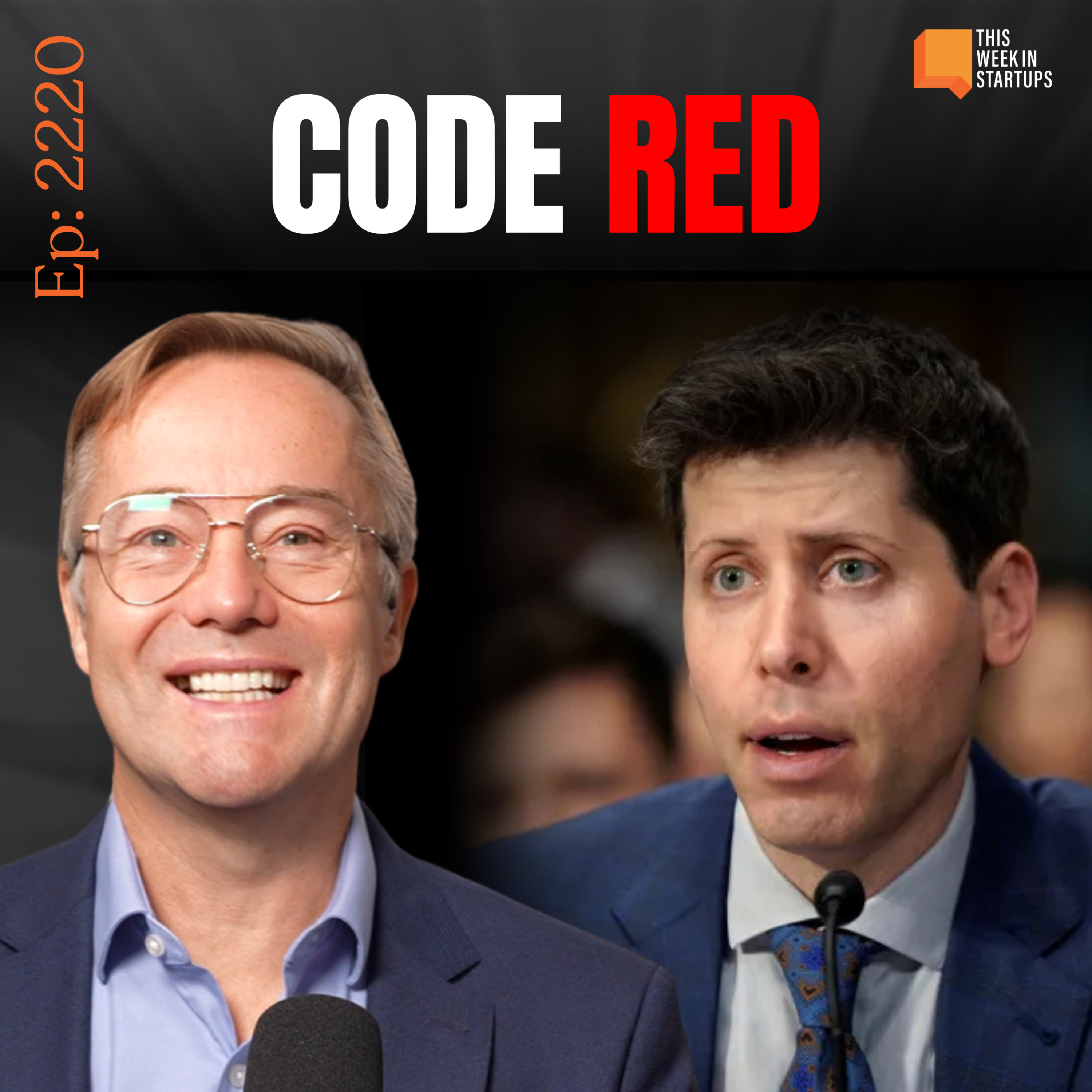
Despite its early dominance, OpenAI's internal "Code Red" in response to competitors like Google's Gemini and Anthropic demonstrates a critical business lesson. An early market lead is not a guarantee of long-term success, especially in a rapidly evolving field like artificial intelligence.

OpenAI is caught in a strategic trap. It's being attacked "from above" by giants like Google (Alphabet) who can leverage a massive built-in user base. Simultaneously, it's being attacked "from below" by competitors like Anthropic, who are successfully capturing the lucrative enterprise market, putting OpenAI's valuation at risk.

When one company like OpenAI pulls far ahead, competitors have an incentive to team up. This is seen in actions like Anthropic's targeted ads and public collaborations between rivals, forming a loose but powerful alliance against the dominant player.
Anthropic's ads imply OpenAI's upcoming ad integration will compromise AI responses with biased, low-quality suggestions. This is a "dirty" but effective tactic, creating fear and doubt about a competitor's product by attacking the category leader without naming them.
In response to Anthropic's ads, Sam Altman positioned OpenAI as committed to free access for billions via ads, while casting Anthropic as an "expensive product to rich people." This reframes the business model debate as a question of democratic accessibility versus exclusivity.