Get your free personalized podcast brief
We scan new podcasts and send you the top 5 insights daily.
By delaying formal competition and results until age 12, Norway keeps more children engaged in sports for longer. This strategy of prioritizing participation and fun over early talent identification ultimately yields a larger, more diverse pool of potential elite athletes for the small nation.

Related Insights
The "Enhanced Learning" theory suggests pursuing diverse activities when young teaches one how to learn effectively. This meta-skill makes specialized training more efficient later on, allowing individuals to rapidly overtake hothoused peers once they decide to focus, explaining why many superstars peak later in their careers.
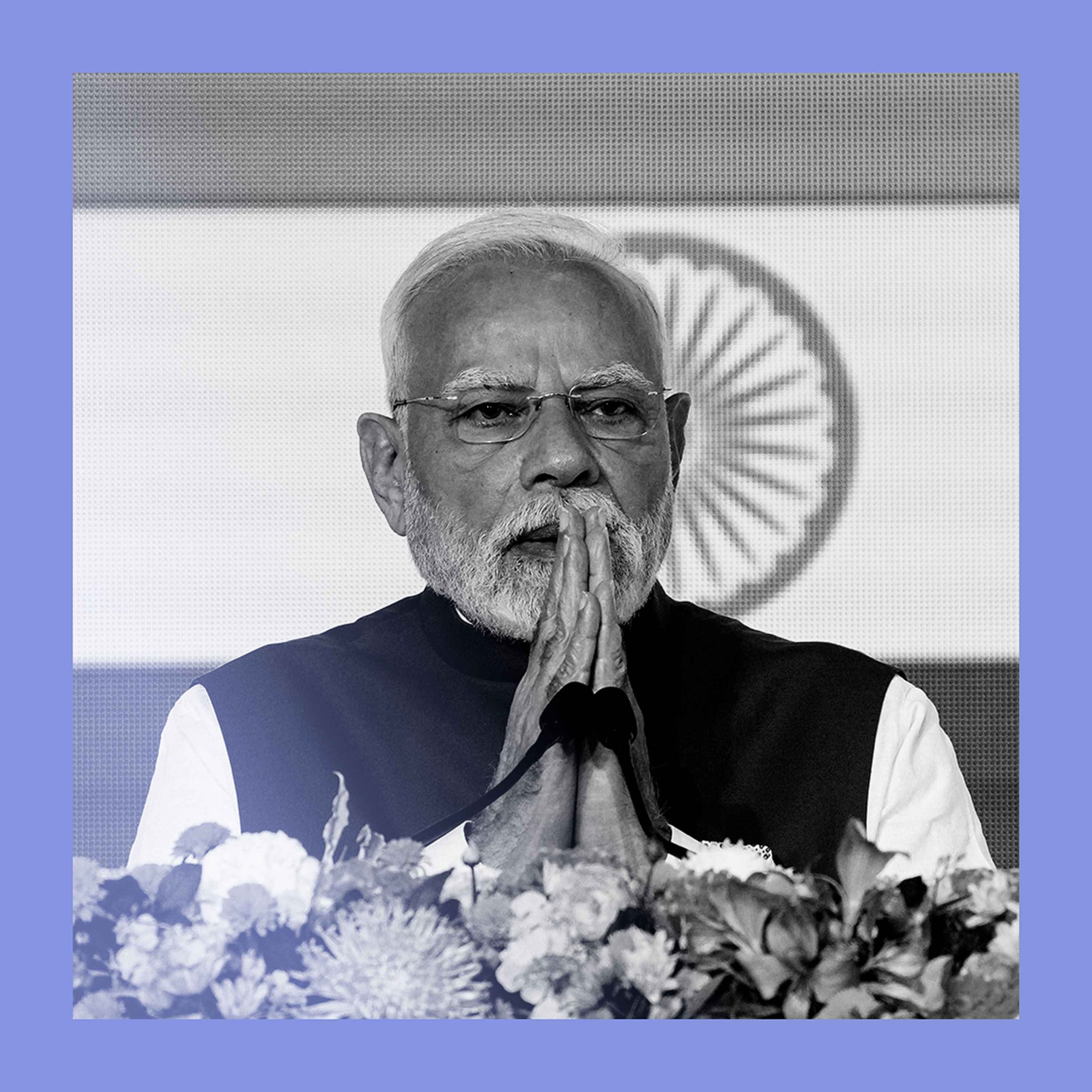
To raise children who thrive outside "the system," parents must shift from preventing failure to encouraging resilience. This means getting kids comfortable with losing through competition, de-emphasizing grades, and prioritizing work ethic and real-world experience over trophies.

A study of 34,000 elite performers found that 90% of top-flight adults were not top-flight teenagers, and vice versa. This suggests that early, intense specialization (hothousing) produces high competence but may hinder the development of true superstardom, which often arises from a different, less linear path.
Norway's top sports center functions as a meeting place where athletes, coaches, and scientists from different sports share knowledge daily. This intentional cross-pollination of ideas and creation of a tight-knit community is a unique advantage that larger, more siloed systems envy and struggle to replicate.
By not playing organized tackle football until 7th grade, Colt McCoy's anticipation and excitement for his first game were immense. This delay prevented the burnout common among children who start specialized sports early, making the experience more meaningful and cementing his love for the game.

Instead of letting sports become an idol, position them as a tool for teaching excellence, resilience, and faith. This reframes wins and losses as opportunities for growth and ministry, preventing a child's identity from being tied solely to their athletic performance.

As you get older, your professional and social networks naturally become more distant from up-and-coming talent. To counteract this, create 'magnets'—like a recreational sports team—that attract ambitious young people, providing an alternative channel for talent identification and sourcing outside of traditional networks.
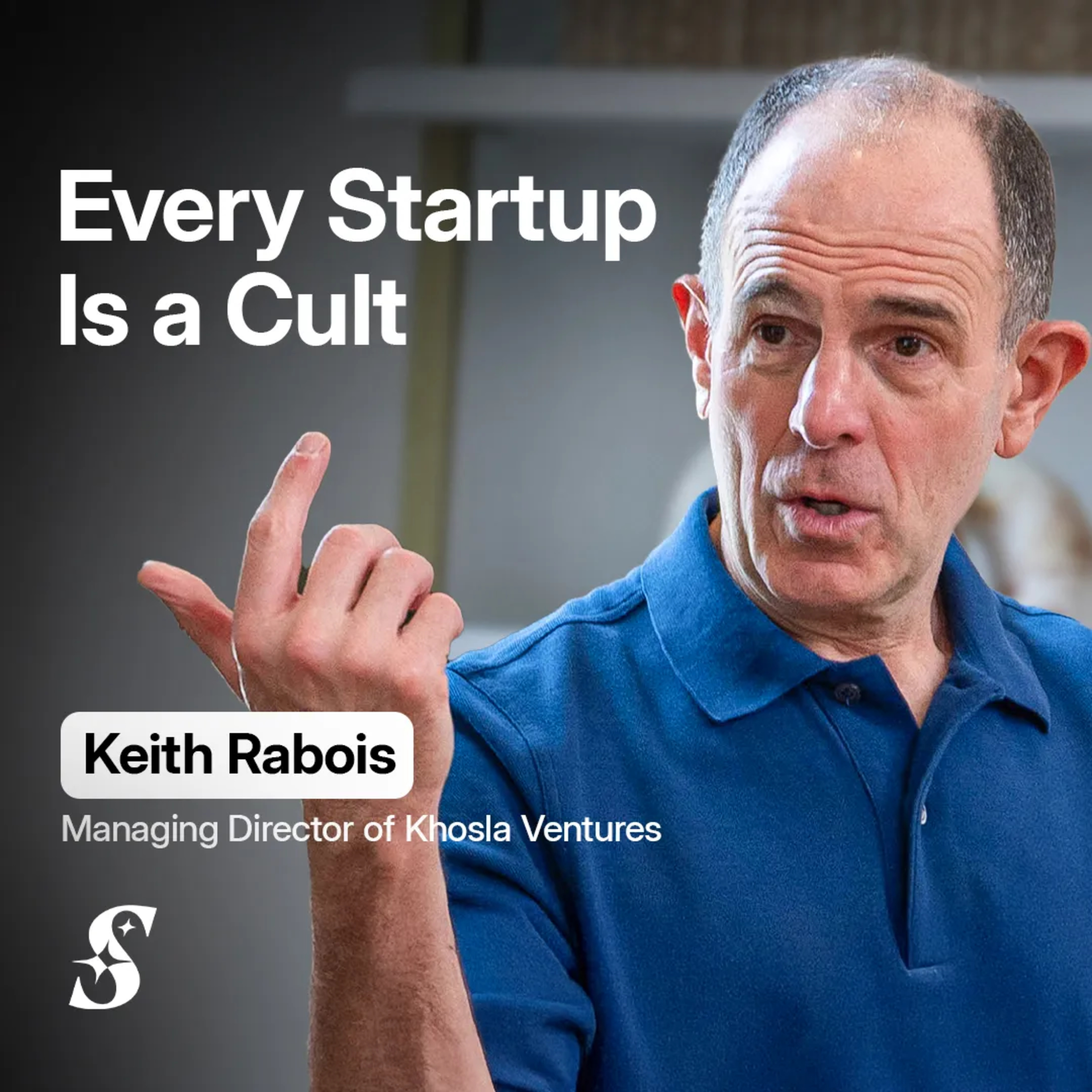
Parkrun's success stems from its inclusive 'run, not a race' philosophy. By removing official course records and welcoming walkers and social participants, the event attracts a broad demographic that is often deterred by the competitive nature of traditional races, turning it into a social gathering.

As youth tackle football declines, flag football is exploding in popularity, especially internationally. This creates a new, accessible entry point into the sport, which could finally produce the international stars needed to drive global fan growth for the league.

Norway's youth sports program, which forbids keeping score until age 13, fosters a love for sport over a win-at-all-costs mentality. This "invisible hand of joy" approach results in less burnout and more long-term success, a model applicable to corporate training and employee development.
