Get your free personalized podcast brief
We scan new podcasts and send you the top 5 insights daily.
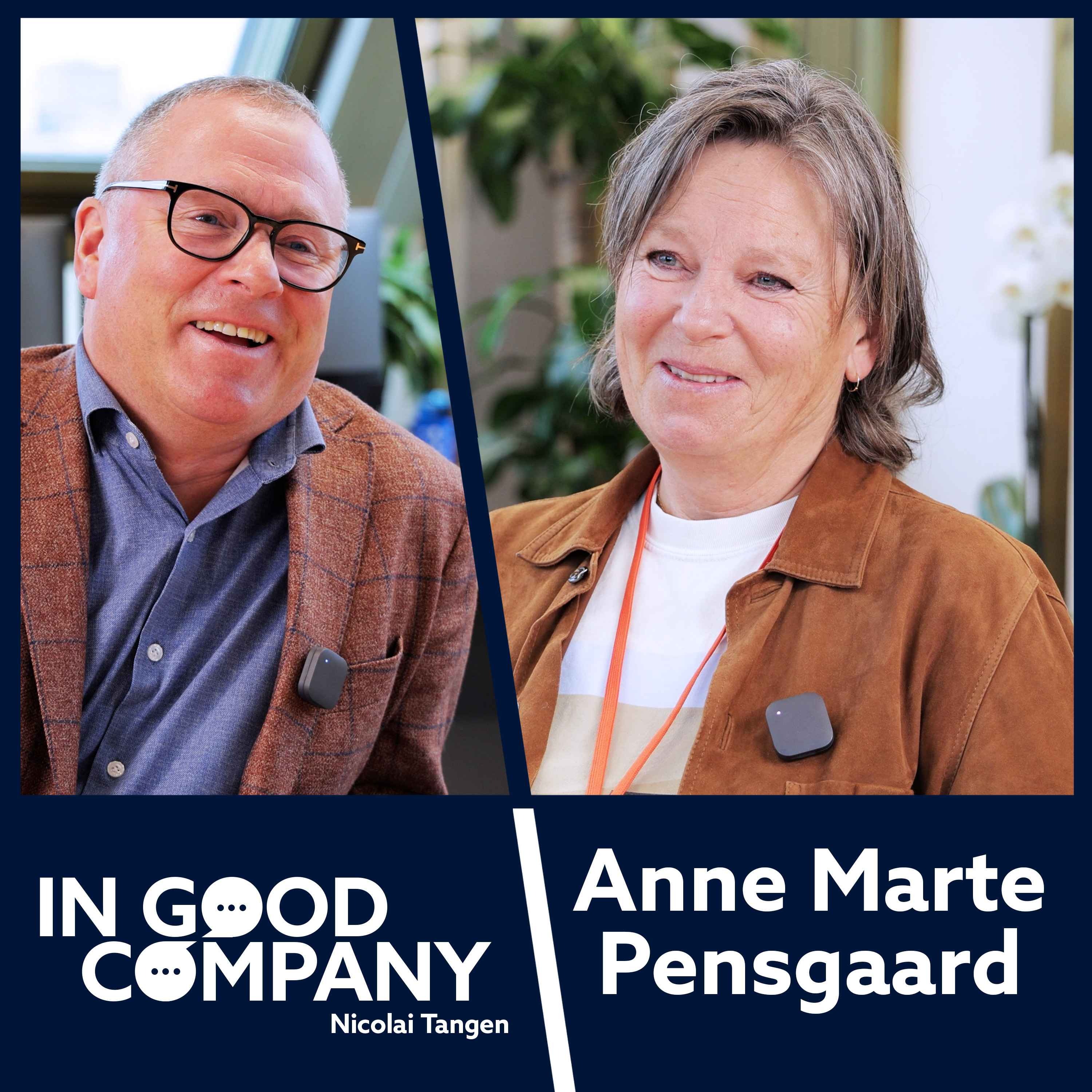
Norway's top sports center functions as a meeting place where athletes, coaches, and scientists from different sports share knowledge daily. This intentional cross-pollination of ideas and creation of a tight-knit community is a unique advantage that larger, more siloed systems envy and struggle to replicate.
Related Insights
A core, overlooked element of the Biohub's success is physically bringing together scientists and engineers from competing universities like Stanford, UCSF, and Berkeley. This simple act of co-location dismantled institutional barriers and fostered a level of collaboration that was previously uncommon.

To foster innovation, LEGO co-locates all its designers in Billund, Denmark. This creates a highly concentrated creative hub, supplemented by giving them total creative freedom on dedicated "free-play" days every two weeks to explore new ideas outside of their assigned projects.

Top partners are not just trying to hire scarce talent; they are intentionally forming partnerships with specialized organizations. This strategy allows them to augment their in-house skills, expand offerings, and move faster without being solely constrained by talent availability, treating the ecosystem as a solution to operational challenges.

Rather than relying on formal knowledge sharing, Alphabet's X embeds central teams (like legal, finance, prototyping) that float between projects. These individuals become natural vectors, carrying insights, best practices, and innovative ideas from one project to another, fostering organic knowledge transfer.
True innovation stems from cognitive and interest diversity. Pairing passionate people from disparate fields—like AI and cheese—sparks more creative conversations and breakthroughs than grouping people with similar interests, which merely creates an echo chamber.

The NBA fosters a community where marketing leaders from competing teams openly share ideas. Because teams primarily operate in different local markets, they are not direct commercial rivals. This "coopetition" allows them to learn from each other's successes and failures, elevating the marketing of the entire league.

YC intentionally groups deep tech and defense tech companies into the same office-hour sections. This creates a specialized peer group—a 'brain trust' of founders working on missiles, submarines, and robotics—fostering a unique support system for those tackling exceptionally hard problems.

CZI's Biohub model hinges on a simple principle: physically seating biologists and engineers from different institutions (Stanford, UCSF, Berkeley) together. This direct proximity fosters collaboration and creates hybrid experts, overcoming the institutional silos often reinforced by traditional grant-based funding.

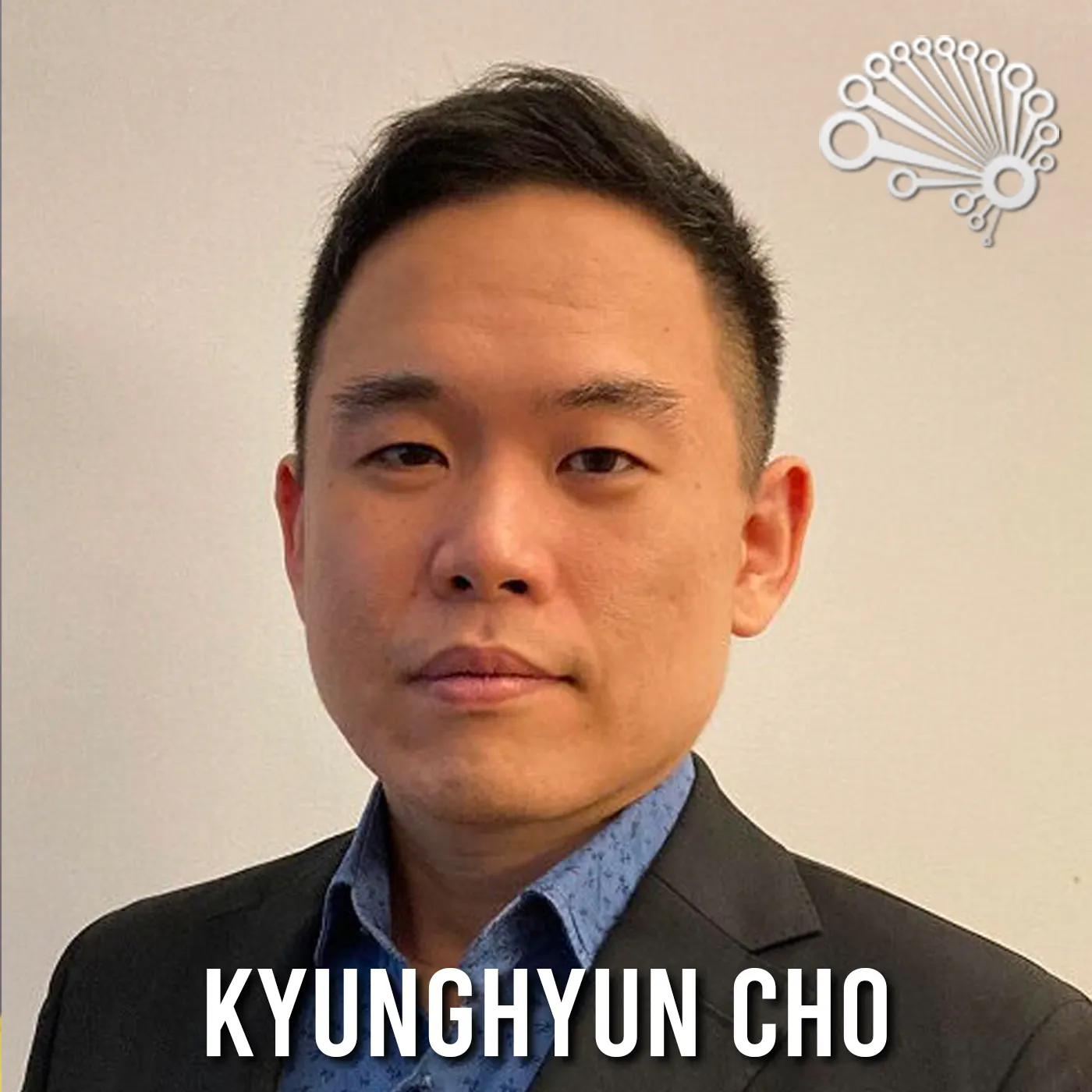
Prof. Kyunghyun Cho contrasts the "isolated" research styles in Korea and Finland with North America's, which he describes as an "extremely collective affair." He believes the constant influx of global talent automatically fosters a collaborative environment that accelerates innovation, a model he aims to replicate.
CZI's Biohub model fosters cross-disciplinary breakthroughs by physically sitting engineers and biologists together. This simple organizational tactic encourages informal communication and collaboration, proving more effective at solving complex problems than formal structures and reporting lines.
