Get your free personalized podcast brief
We scan new podcasts and send you the top 5 insights daily.
A study of 34,000 elite performers found that 90% of top-flight adults were not top-flight teenagers, and vice versa. This suggests that early, intense specialization (hothousing) produces high competence but may hinder the development of true superstardom, which often arises from a different, less linear path.

Related Insights
Elite talent manifests in two primary ways. An individual is either in the top 0.01% on a single dimension (e.g., tenacity, sales), or they possess a rare Venn diagram of skills that don't typically coexist (e.g., a first-rate technologist who is also a first-rate business strategist).
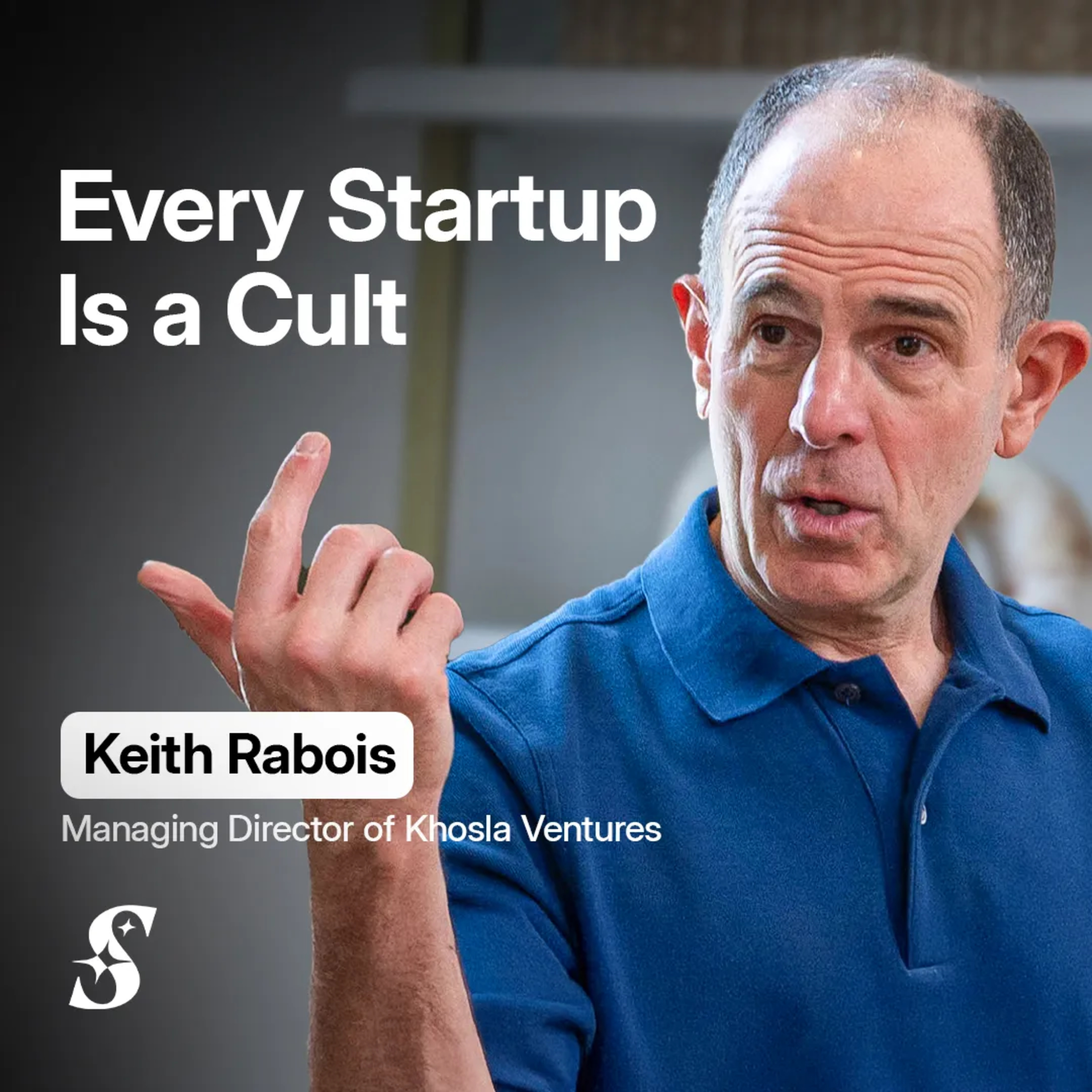
In domains with extreme outcomes (music, startups), success is heavily influenced by luck, making it difficult to replicate. A more effective strategy is to study the common failure modes of the vast majority of talented people who tried. This provides a clearer roadmap of what to avoid than trying to copy a lucky winner.

The "Enhanced Learning" theory suggests pursuing diverse activities when young teaches one how to learn effectively. This meta-skill makes specialized training more efficient later on, allowing individuals to rapidly overtake hothoused peers once they decide to focus, explaining why many superstars peak later in their careers.
The performance gap between top performers and the merely good is not a small, linear improvement. It's an exponential leap that is hard for most to comprehend, requiring an obsessive, unbalanced level of dedication.

Child prodigies excel at mastering existing knowledge, like playing a perfect Mozart sonata. To succeed as adults, they must transition to creation—writing their own sonata. This fundamental shift from rote skill to original thinking is where many prodigies falter because the standards for success change completely.

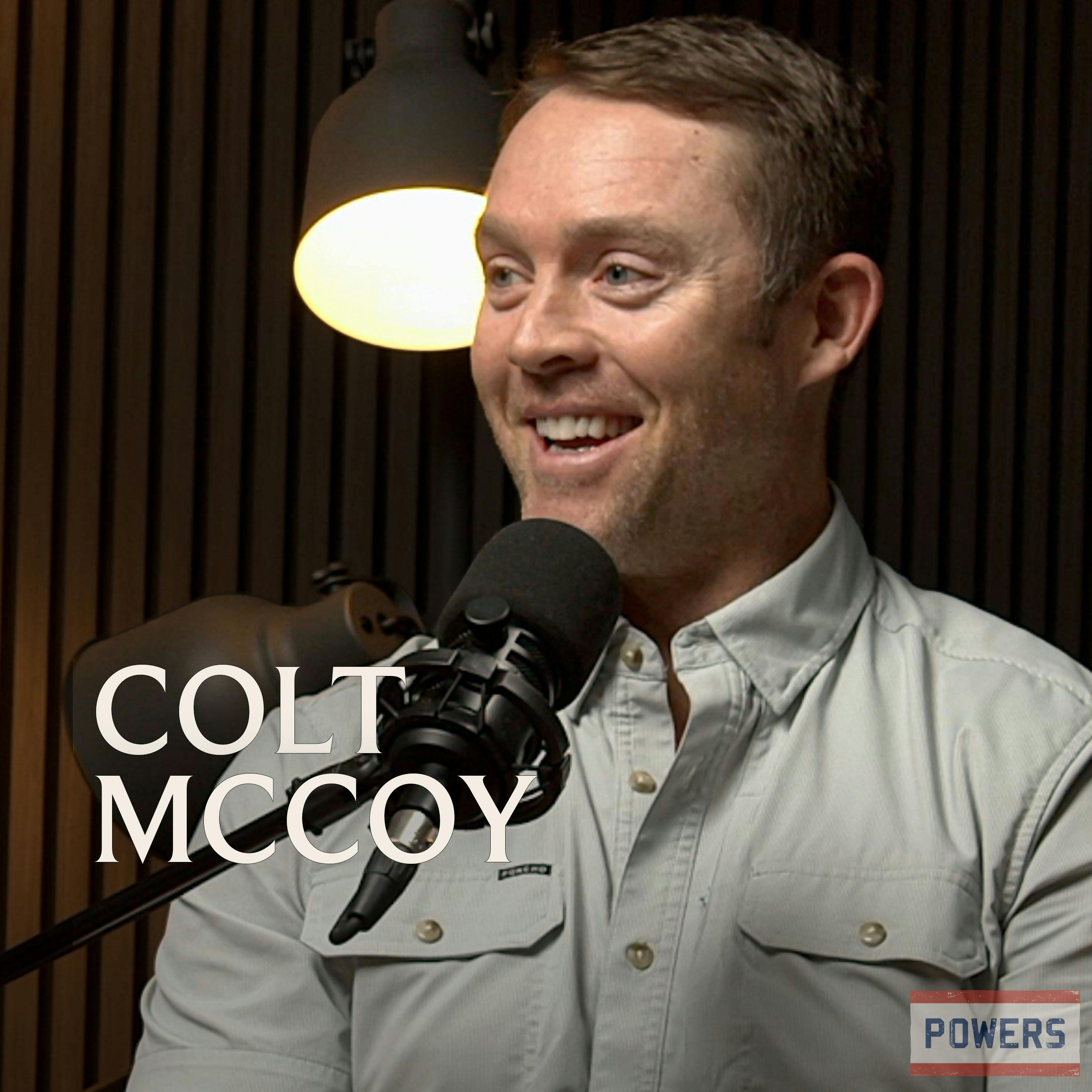
By not playing organized tackle football until 7th grade, Colt McCoy's anticipation and excitement for his first game were immense. This delay prevented the burnout common among children who start specialized sports early, making the experience more meaningful and cementing his love for the game.
The common advice to "follow your strengths" is insufficient for high achievement. Truly ambitious goals require you to become something more and develop entirely new skills. High performers focus on the goal and then systematically "build into" it by acquiring the necessary abilities, regardless of their current strengths.

Author Eduardo Briseño introduces the 'Performance Paradox': focusing only on execution and minimizing mistakes keeps you stagnant. The highest achievers do not improve simply by doing their job more. They deliberately step out of the high-stakes 'performance zone' to work on their weaknesses in a 'learning zone', which ultimately fuels superior performance.

Rapid startup success stories are misleading. A company's quick victory is almost always the result of its founder's decade-long journey of grinding, learning, and failing. The compounding effect of skills, credibility, and network building is the true engine behind the breakthrough moment.

High school dropout Todd Rose thrived in an unconventional honors program that prioritized debate over tests. This shows that performance is a function of 'fit' between an individual's unique learning style and their environment, rather than a fixed measure of talent.