Get your free personalized podcast brief
We scan new podcasts and send you the top 5 insights daily.
Relying solely on pipeline generation (PG) burns out reps. A sustainable system integrates PG with a channel ecosystem, upsell motions, community building to create groundswell, and targeted field marketing to bring it all together.

Related Insights
Instead of one-off workshops, this systematic approach first diagnoses root causes with data and interviews. It then implements targeted 6-8 week "sprints" to fix those issues, followed by installing long-term systems to ensure sustained growth and operational excellence.

Move beyond the traditional sales funnel. The "Bow Tie Funnel" visualizes the post-sale journey with conversion at the center. It forces focus on onboarding, retention, expansion, and advocacy, turning a single sale into a self-perpetuating revenue engine fueled by referrals from happy clients.

A more effective mental model than PLG vs. SLG is analyzing which activities create new demand versus which ones harvest existing demand. Both sales and product can serve either function. Creating demand is always the harder, more critical challenge for any revenue engine.

Channel strategy shouldn't be reactive. Leaders must define their ideal partner ecosystem for 3-5 years out and proactively build towards it. This requires a vision-led approach and a willingness to stop servicing legacy models that don't fit the future.

When planning growth, leaders often model sales capacity (hiring reps) but forget to model demand generation capacity. A plan to add eight reps is useless if the pipeline comes from non-scalable sources like VC intros, which can only support the first two reps. You must scale both simultaneously.
Businesses often focus on brand (awareness) and growth (acquisition), but the most profitable engine is customer experience. This includes retention, upselling, cross-selling, referrals, and reviews. Systematizing this third engine builds sustainable momentum and profit.

True sales leadership extends beyond managing a team's pipeline. It requires understanding how marketing, solutions, and service interconnect to deliver customer value. This holistic business acumen is essential for strategic success but is rarely taught.

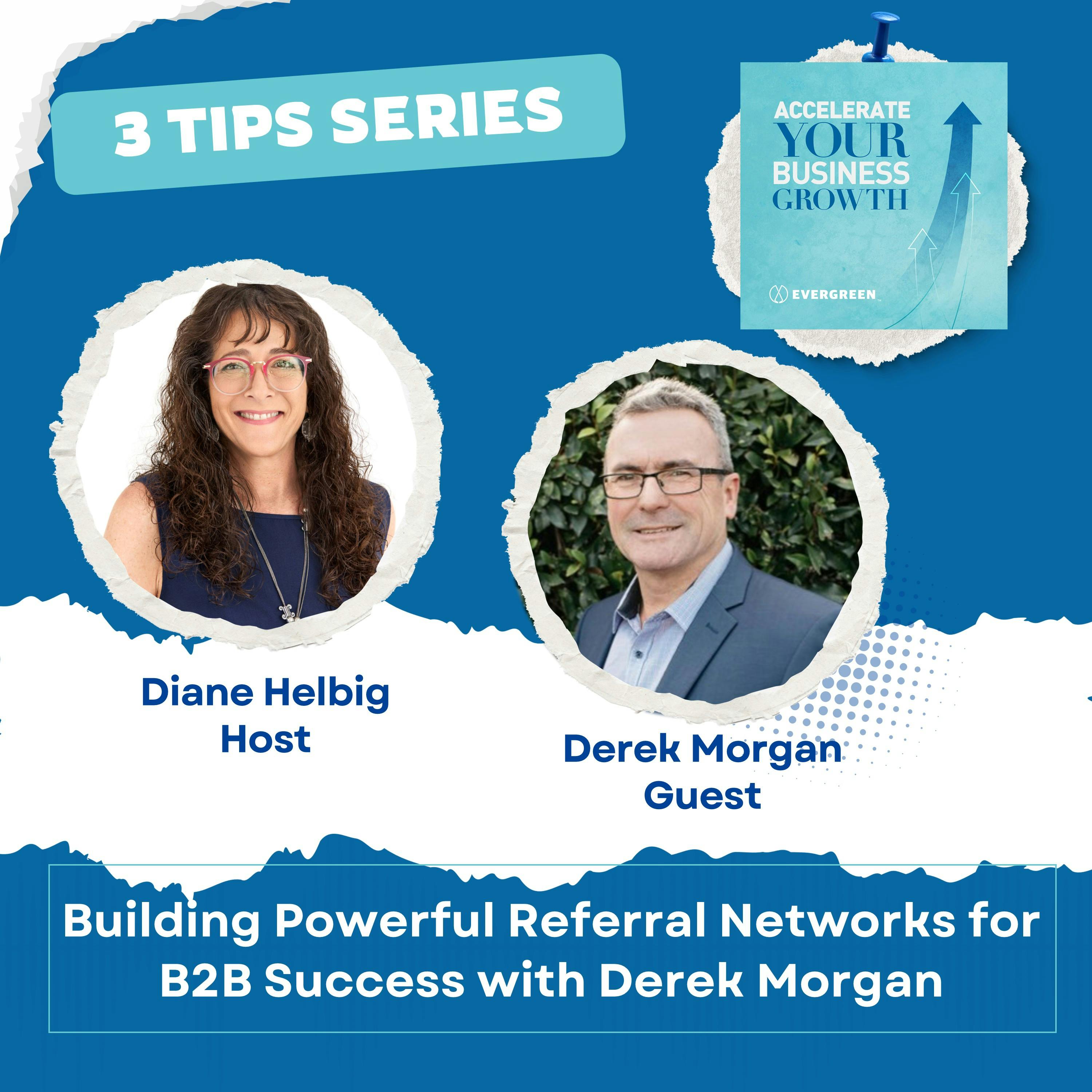
As ad costs rise and organic reach declines, B2B businesses should evolve their sales teams. Instead of focusing solely on cold outreach, empower them with the bandwidth and capability to build and manage a systemized network of referral partners. This creates a predictable and more profitable growth engine.
Driving a pipeline generation culture requires immense, consistent effort from leadership. Leaders must be "in the boat" with their teams—inspecting, inspiring, and demonstrating the work themselves—to prove the model and help reps get unstuck.
Sales leaders should instill a long-game mindset, focusing on creating lifetime customers and sustainable revenue streams rather than just hitting immediate targets. This involves planting seeds that will generate revenue for years, not just months.
