Get your free personalized podcast brief
We scan new podcasts and send you the top 5 insights daily.
GC believes technology's natural gravity pulls toward concentration in a few mega-companies. Its investment thesis is to empower founders to build power-law companies that create a more distributed and inclusive innovation ecosystem, actively working against this concentration.
Related Insights
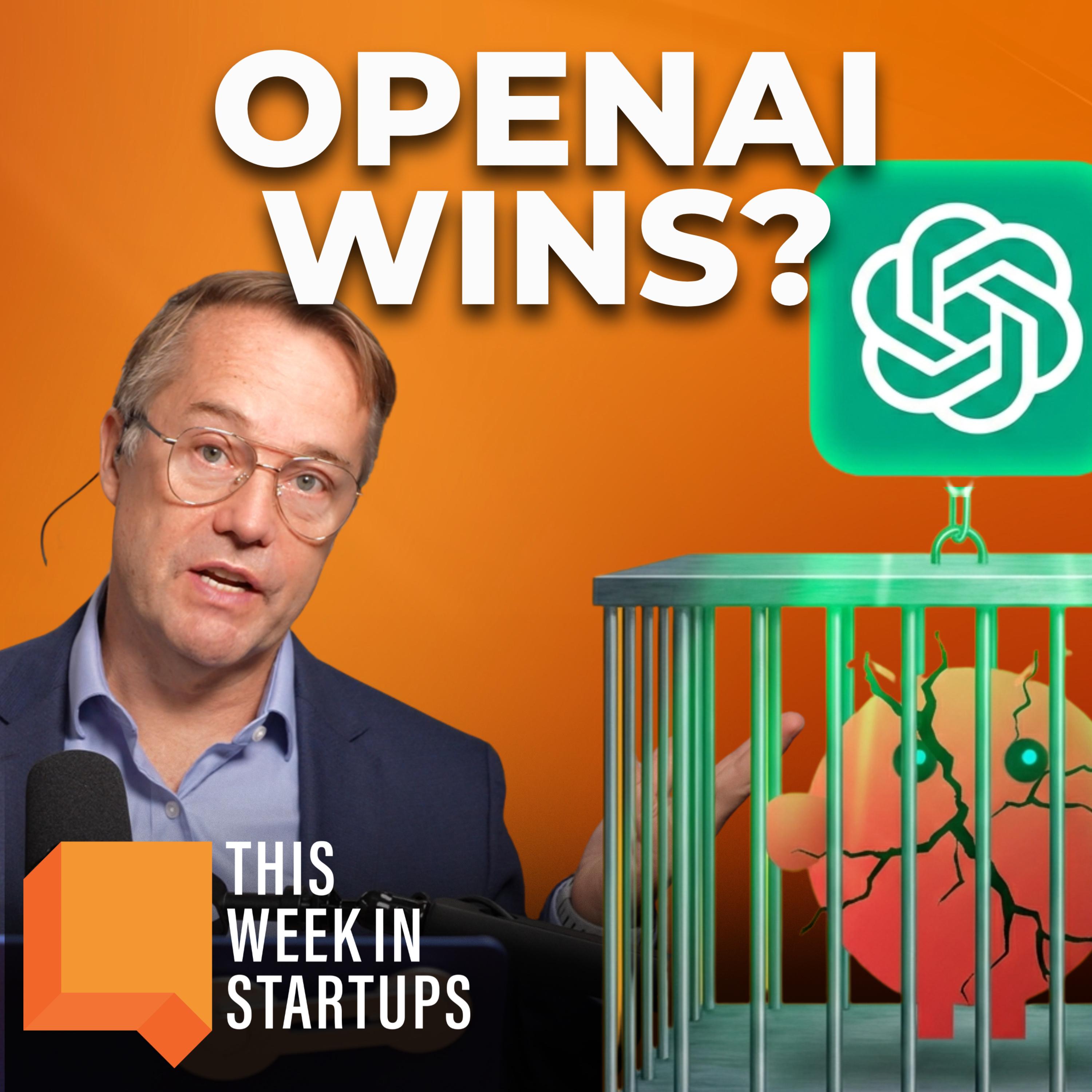
When evaluating AI startups, don't just consider the current product landscape. Instead, visualize the future state of giants like OpenAI as multi-trillion dollar companies. Their "sphere of influence" will be vast. The best opportunities are "second-order" companies operating in niches these giants are unlikely to touch.

To counteract OpenAI's potential control over the OpenClaw project, venture firm Launch announced a dedicated investment thesis to fund startups building core infrastructure around it. The strategy is to foster a decentralized ecosystem focused on security, ease of use, hosting, and skills to ensure the project remains open.
GC is shifting from a traditional venture fund to a company that incubates and holds "transformation companies" like a hospital system and an AI consultancy indefinitely. These businesses are designed for long-term value creation, not quick exits, and also serve its portfolio founders.

Unlike a decade ago, today's most transformative, high-growth companies like OpenAI and Anthropic are choosing to remain private for longer. This trend concentrates the highest potential returns in private markets, making it difficult for public investors to 'own the future' of technology.

For fragmented, tech-averse industries, GC funds startups to first build an AI automation platform. Then, instead of a difficult sales process, the startup acquires traditional service businesses, implementing its own AI to dramatically boost their margins, providing immediate distribution and data.
Unlike past tech cycles where startups primarily fought other startups (e.g., Facebook vs. Snapchat), today's AI innovators also compete directly with the immense resources, talent, and data moats of established giants like Google and Microsoft.

The firm targets markets structured like the famous movie scene: first place wins big, second gets little, and third fails. They believe most tech markets, even B2B SaaS without network effects, concentrate value in the #1 player, making leadership essential for outsized returns.

A VC offers an analogy for competing with AI giants like OpenAI: they are 'Godzilla.' Instead of direct confrontation, startups should 'find an alleyway to hide in.' This means focusing on niche applications or non-software domains where they won't be 'stomped' by inevitable foundation model improvements.

Investing in startups directly adjacent to OpenAI is risky, as they will inevitably build those features. A smarter strategy is backing "second-order effect" companies applying AI to niche, unsexy industries that are outside the core focus of top AI researchers.
During major tech shifts like AI, founder-led growth-stage companies hold a unique advantage. They possess the resources, customer relationships, and product-market fit that new startups lack, while retaining the agility and founder-driven vision that large incumbents have often lost. This combination makes them the most likely winners in emerging AI-native markets.
